
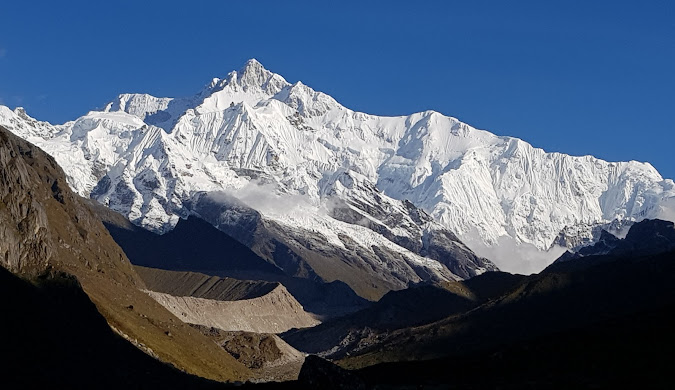
Arunachal Pradesh

Northeast India Tourism Guide 2026: Best Places, Itinerary, Cost & Hidden Gems

Every year at Astamb Holidays, I handle hundreds of tour requests. And lately, one region keeps coming up again and again: Northeast India. People are tired of crowded hill stations. They want something raw, real, and worth the journey. After personally scouting routes through Assam, Meghalaya, Arunachal Pradesh, Nagaland, and Sikkim, I can tell you this — northeast india tourism is not just a trend. It is a quiet revolution in how Indians travel. This guide is everything I would tell a close friend planning their first Northeast trip in 2026. What is Northeast India Tourism and Why It Is Trending in 2026? Northeast India tourism refers to travel across the eight states collectively known as the Seven Sisters (Assam, Meghalaya, Arunachal Pradesh, Nagaland, Mizoram, Manipur, Tripura) plus Sikkim. In 2026, this region is seeing one of its sharpest rises in search interest and footfall. The short answer: Indian travelers are shifting away from mass-tourism. They want slower trips with real cultural depth. Northeast India delivers exactly that — no commercial malls, no tourist traps, and landscapes that still look like a geography textbook illustration. New rail connections, better roads, and a growing network of local homestays are making the region more accessible than at any point before. The biggest pull is simple: you get more for less. Why Northeast India Tourism is Perfect for Indian Travelers If you are an Indian traveler, this region has four big advantages that other destinations simply cannot match: The Seven Sisters together hold over 50% of India’s bird species, nearly 40% of its flowering plants, and are home to flagship wildlife including the one-horned rhinoceros and the Hoolock gibbon — Asia’s only ape. For a wildlife or nature lover, this region is irreplaceable. Northeast India Tourism – Best Places to Visit in 2026 Assam – Rhinos, Rivers & Tea Gardens Assam is the natural entry point into Northeast India. Most flights land at Guwahati, which sits on the banks of the mighty Brahmaputra River. A ferry ride on the Brahmaputra at sunset is one of those moments you do not quickly forget. Kaziranga National Park is the centerpiece of any Assam trip. It is a UNESCO World Heritage Site and home to the world’s largest population of Indian one-horned rhinoceroses. Book your jungle safari early — morning slots fill up fast. Expect to pay ₹350 to ₹600 per person for the entry and elephant safari. Majuli Island is equally worth your time. It is one of the world’s largest river islands, sitting right in the middle of the Brahmaputra. The Vaishnavite monasteries (called satras) here are unique to Assam’s culture. The ferry ride to Majuli takes about 1 to 1.5 hours from Jorhat. Plan at least 2 nights here to see mask-making, traditional dance, and village life. Best for: Wildlife, river culture, tea tourism Meghalaya – Clouds, Caves & Living Bridges Meghalaya translates to “abode of clouds,” and it earns that name. Shillong, the state capital, is one of Northeast India’s most comfortable base cities. You get cafes, live music, and friendly locals — all without the chaos of a typical tourist town. Cherrapunji (now officially called Sohra) is one of the wettest places on earth and is about 54 km from Shillong. The Nohkalikai Falls here drop a stunning 340 meters — one of India’s tallest. The Mawsmai Caves are a short drive away and great for families. The Double Decker Living Root Bridge in Nongriat village is a bucket-list item. These bridges are grown — not built — from the aerial roots of Ficus Elastica trees by the local Khasi community over hundreds of years. The trek is about 3,000 steps each way, and takes roughly 3 hours round trip. Go early. Carry water. Dawki and the Umngot River offer some of the clearest water you will ever see in India. Boats appear to float in thin air. And Mawlynnong, just 90 km from Shillong, has been recognized as Asia’s cleanest village — a title it takes seriously. Best for: Nature, trekking, culture, photography Arunachal Pradesh – The Land of the Dawn-lit Mountains Arunachal Pradesh is where Northeast India goes from beautiful to breathtaking. The state shares borders with China, Bhutan, and Myanmar, and that geography shows in its monasteries, tribes, and mountain scenery. Tawang is the crown jewel. At 3,048 meters above sea level, the Tawang Monastery is the largest monastery in India and one of the largest in the world. The drive from Bomdila to Tawang is one of the most dramatic road journeys in the country — passing through the Sela Pass at nearly 4,200 meters. Ziro Valley, home to the Apatani tribe, is a UNESCO-nominated landscape of terraced rice fields and pine forests. The Ziro Music Festival held every September draws indie music lovers from across the country. ⚠️ Note: You need an Inner Line Permit (ILP) to enter Arunachal Pradesh. Apply online at arunachalilp.com at least 5–7 days in advance. Best for: Adventure, culture, Himalayan landscapes Sikkim – Gateway to the Himalayas Sikkim is the most organized of all Northeast states for tourism. Gangtok, the capital, has good food options, clean hotels, and a well-marked tourist trail. Rumtek Monastery and the Nathu La Pass (shared Indo-China border) are major draws. For trekkers, the Goecha La Trek near Yuksom offers close views of Kangchenjunga, the world’s third-highest peak. No ILP is needed to enter Sikkim as an Indian citizen, but some inner zones like Nathu La and Gurudongmar Lake require additional permits (easily arranged through your hotel or local agent). Best for: Trekking, monasteries, mountain views Northeast India Tourism – Hidden Gems You Must Visit These are the spots I personally recommend when clients ask me for something beyond the usual: What is the Best Time to Visit Northeast India? The ideal time for most travelers is October to April. Skies are clear, roads are passable, and wildlife is visible. Avoid the peak monsoon months of June to August for most states (though Meghalaya lovers actually

Northeast India Tourism Guide 2026: Best Places, Itinerary, Cost & Hidden Gems Read More »
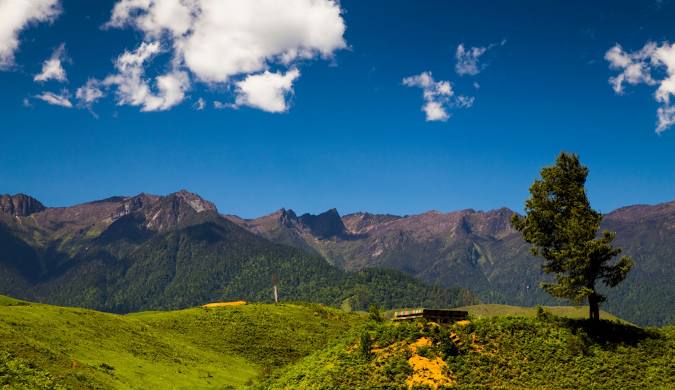
Best Time to Visit Mechuka: Month-wise Guide, Weather & Hidden Gems

Picture this: a valley wrapped in snow-capped mountains, where prayer flags dance in crystal-clear air and waterfalls thunder through ancient forests. Welcome to Mechuka—a remote corner of Arunachal Pradesh that feels like stepping into another world entirely. But here’s the thing about this Himalayan paradise: timing your visit makes all the difference between an incredible adventure and a challenging ordeal. The best time to visit Mechuka depends on what you’re chasing—snow-dusted peaks, vibrant festivals, or misty monsoon magic. This guide breaks down everything you need to know about planning your Mechuka journey. We’ll walk through each season, reveal hidden spots most travelers miss, and share practical tips that’ll save you headaches (and money) along the way. Quick Facts About Mechuka Before we dive into the best time to visit Mechuka, let’s get acquainted with the basics: Detail Information Location West Siang District, Arunachal Pradesh Altitude 6,000 feet (1,829 meters) Nearest Town Aalo (Along) – 135 km away Primary Tribes Memba and Adi communities Languages Hindi, English, local dialects Climate Type Temperate to Alpine Nickname “Land of Medicinal Snow” When Is the Best Time to Visit Mechuka? (Month-by-Month Breakdown) Let’s get to the heart of the matter. Mechuka transforms dramatically with each passing season, offering completely different experiences throughout the year. Spring Season (March – April): Nature’s Awakening Spring brings Mechuka back to life after the winter freeze. The valley sheds its white blanket and bursts into color. What to Expect: Month Temperature Rainfall Key Highlights March 10°C – 18°C Low Snow melting, roads opening April 12°C – 20°C Low Mopin Festival, blooming flowers Pro Tip: April is fantastic for trekking since trails are dry but the landscape stays lush from melted snow. Summer Season (May – June): Green Paradise If you love verdant landscapes without extreme cold, summer is your season. What to Expect: Month Temperature Rainfall Key Highlights May 15°C – 23°C Moderate Lush greenery, comfortable hiking June 18°C – 25°C Increasing Pre-monsoon freshness, fewer crowds Travel Insight: This is when homestay owners are most welcoming, as tourist season kicks into full gear before the monsoon arrives. Monsoon Season (July – September): The Challenging Beauty Let’s be honest—monsoon isn’t the ideal time for most travelers. But it has its own charm if you’re up for adventure. What to Expect: Month Temperature Rainfall Key Highlights July 20°C – 24°C Very High Monsoon begins, misty views August 19°C – 23°C Very High Peak rainfall, travel restrictions September 17°C – 21°C High Monsoon retreating, roads risky Important Warning: Many tour operators won’t take bookings during July-August due to safety concerns. If you do visit, keep your schedule flexible and prepare for possible delays. Autumn Season (October – November): The Golden Window Here’s where magic happens. Most experienced travelers and photographers agree—autumn is the absolute best time to visit Mechuka. What to Expect: Month Temperature Rainfall Key Highlights October 12°C – 20°C Minimal Perfect weather, Adventure Festival November 8°C – 16°C Very Low Clear mountain views, excellent photography Why Autumn Wins: October-November offers the sweet spot between summer warmth and winter cold. Roads are accessible, visibility is outstanding, and you can explore every corner of Mechuka without weather worries. Winter Season (December – February): The Snow Wonderland If you’ve ever wondered why people call Mechuka the “Mini Switzerland” of India, visit in winter. What to Expect: Month Temperature Rainfall/Snowfall Key Highlights December 0°C – 10°C Moderate snow Early winter, snow begins January -3°C – 8°C Heavy snow Peak winter, stunning landscapes February -2°C – 10°C Moderate snow Losar Festival, warming begins Winter Reality Check: Pack serious cold-weather gear. We’re talking thermal layers, heavy jackets, and insulated boots. But the reward? Walking through a real-life snow globe. Seasonal Highlights & Festival Calendar Losar: The Tibetan New Year (February) The Memba community celebrates Losar with incredible energy. Expect three days of festivities featuring: The Samten Yongcha Monastery becomes the cultural heart during Losar. Visitors are usually welcome to observe (and sometimes participate) if they approach respectfully. Mopin Festival: Harvest Celebration (April) The Adi tribe’s Mopin Festival marks the end of the sowing season. Here’s what makes it special: Local Tip: Homestay families often invite guests to join Mopin celebrations. Don’t miss this chance for authentic cultural exchange. Adventure Festival (October) This relatively new event puts Mechuka on the adventure tourism map: The festival attracts adventure enthusiasts from across India and makes October an especially vibrant time to visit. Top Attractions & Offbeat Spots in Mechuka Must-Visit Places Siko Dido Waterfall This stunning cascade drops from a forested cliff, creating a natural amphitheater. The 10-minute walk from the village passes through pine forests and offers great bird-watching opportunities. Visit in late afternoon when sunlight hits the water spray, creating rainbows. Dorjeeling Village Despite the name, this has nothing to do with the famous tea town. Dorjeeling is a traditional Memba settlement perched on a hillside. Walking through narrow lanes lined with wooden houses gives you glimpses into daily mountain life. Friendly locals often invite travelers for butter tea. Siyom River & Hanging Bridges The turquoise Siyom River carves through Mechuka valley, and several traditional hanging bridges cross it. These cable bridges sway as you walk—thrilling but safe. The bridge near the main town offers incredible photo opportunities with mountains reflected in the water. Guru Nanak Taposthan (Gurudwara) According to local legend, Guru Nanak meditated here during his travels. The small Gurudwara sits atop a hill, requiring a 30-minute climb. The panoramic valley views from the top make the effort worthwhile. The caretaker often serves simple langar (community meal) to visitors. Hanuman Point Located on the India-China border, this military post requires special permission to visit (arranged through your ILP). The view of the valley from this vantage point is spectacular, though photography restrictions apply near sensitive areas. Samten Yongcha Monastery This 400-year-old Buddhist monastery houses beautiful murals and ancient scriptures. Monks welcome respectful visitors and sometimes explain the significance of various prayer wheels and butter lamps. Morning prayers (around 6 AM) offer an authentic spiritual

Best Time to Visit Mechuka: Month-wise Guide, Weather & Hidden Gems Read More »