Travel Guide

Porto Portugal River Bridge

Discover Porto, Portugal: Your Ultimate Travel Guide to a Timeless Gem

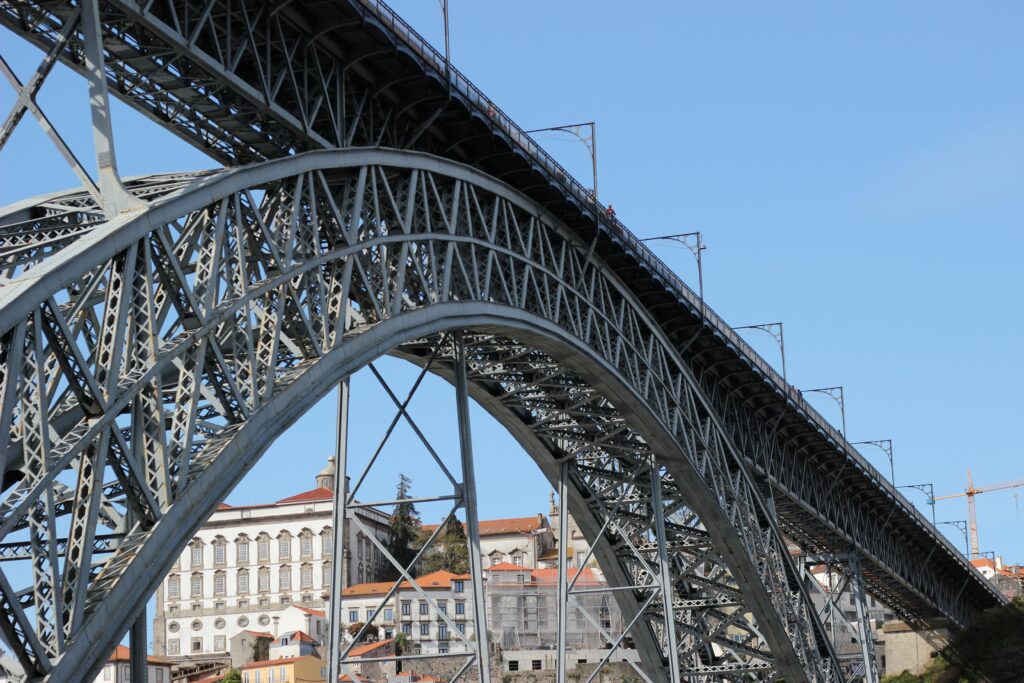
Have you ever wandered through cobbled streets where every corner tells a story? Welcome to Porto, Portugal—a city that marries centuries-old history with vibrant modernity. Whether you’re drawn by the allure of its picturesque riverfront or the tantalizing flavors of its local cuisine, Porto is a destination that promises unforgettable adventures. In this comprehensive travel guide, we’ll delve into what makes Porto so unique. From exploring hidden gems and historic neighborhoods to enjoying breathtaking scenic views along the Douro River, this article is your go-to resource for planning an immersive journey through one of Europe’s most captivating cities. Overview of Porto A City Steeped in History and Culture Porto is Portugal’s second-largest city and one of its most charismatic. Founded in the Roman era, this city has evolved into a cultural hub where history meets contemporary creativity. As you stroll along its narrow, winding streets, you’ll discover centuries-old architecture—from medieval churches to stately palaces—that coexists with lively modern art galleries and bustling cafes. Porto’s rich history is complemented by its UNESCO World Heritage status, awarded for the historic center’s distinct urban landscape. This blend of old-world charm and dynamic modern energy creates a truly magnetic atmosphere. The Allure of the Douro River One of Porto’s most defining features is the Douro River, which bisects the city and offers spectacular panoramic views. The riverbanks are lined with colorful buildings, traditional rabelo boats, and vibrant marketplaces. A river cruise on the Douro is a must-do activity, allowing you to see Porto from a completely different perspective. Why Porto Should Be on Your Travel List For a detailed history of Porto, check out the Wikipedia page on Porto. How to Get to Porto By Air Porto is well-connected internationally. The Francisco Sá Carneiro Airport (OPO) is the gateway for travelers arriving from across the globe. It is located just 11 km from the city center and offers regular shuttle services, taxis, and car rental options. By Train If you’re already in Europe, traveling by train is a scenic and eco-friendly option. Portugal’s efficient rail network connects Porto to Lisbon and other major cities. Trains like the Alfa Pendular provide comfortable and high-speed travel between destinations. By Bus or Car For those preferring a road trip, long-distance buses are an economical way to reach Porto. Alternatively, renting a car gives you the flexibility to explore the surrounding regions, including the lush Douro Valley and nearby coastal towns. For more travel details, visit the official Visit Porto website. Top Attractions in Porto Porto is brimming with attractions that cater to a variety of interests. Whether you’re an art lover, a foodie, or an adventurer, you’ll find something to captivate your imagination. 1. Ribeira District The Ribeira district is the beating heart of Porto. Its narrow, winding streets and colorful facades create a fairy-tale setting. Here, you can enjoy riverside cafes, quaint boutiques, and live music that spills out onto the sidewalks. The district is perfect for an afternoon stroll, where every turn offers a new snapshot of local life. 2. Dom Luís I Bridge An iconic symbol of Porto, the Dom Luís I Bridge spans the Douro River and offers breathtaking views of the cityscape. Designed by a disciple of Gustave Eiffel, the bridge is a marvel of engineering and an excellent spot for photography—especially at sunrise or sunset. 3. Livraria Lello For book lovers and architecture enthusiasts alike, Livraria Lello is a must-visit. Often cited as one of the most beautiful bookstores in the world, its ornate wooden staircase and stained glass windows are said to have inspired elements in the Harry Potter series. The store’s charm and historical significance make it a top cultural attraction. 4. Clérigos Tower Rising above the city, the Clérigos Tower offers panoramic views of Porto’s sprawling urban landscape. Climb the 240 steps to the top for an invigorating workout and an unrivaled vista. The tower, part of the Clérigos Church complex, is a fine example of Baroque architecture and an essential stop for history buffs. 5. Porto Cathedral (Sé do Porto) One of the city’s oldest monuments, Porto Cathedral is a striking blend of Romanesque, Gothic, and Baroque styles. Its massive structure and serene interior offer a quiet retreat from the city’s hustle and bustle. The cathedral’s location in the heart of Porto makes it a focal point for exploring the surrounding historic streets. Local Culture & Cuisine The Heartbeat of Porto’s Neighborhoods Porto’s local culture is as vibrant as its history. The city is known for its lively festivals, traditional music (fado), and warm hospitality. Strolling through the local neighborhoods, you’ll encounter a mix of modern art and traditional craftsmanship, from hand-painted azulejos (ceramic tiles) to local handicrafts. A Gastronomic Paradise Food in Porto is an experience in itself. The city is famous for its Port wine, and a visit to one of the many wine cellars in Vila Nova de Gaia (just across the river) is a must. But beyond the wine, Porto’s culinary scene offers a diverse array of traditional dishes: For a deep dive into Porto’s food culture, visit Visit Porto’s Culinary Guide. Insert an image or video gallery here showcasing local dishes with SEO-friendly alt text: “Traditional Porto dish – Bacalhau à Gomes de Sá plated in a local restaurant.” Insider Tips for Exploring Porto Embrace the Local Pace One of the best ways to experience Porto is to slow down and absorb the local atmosphere. Unlike larger, more hectic cities, Porto invites you to take your time. Wander through its alleyways, chat with local shopkeepers, and relax at a café along the Douro. Best Times to Visit Navigating the City Porto is a city best explored on foot. Its compact size means you can cover many attractions without long commutes. For areas further afield or a quick ride across the river, public transportation and taxis are readily available. Consider purchasing an Andante Card, a rechargeable pass that makes public transit both affordable and convenient. Safety and Local Etiquette Porto is generally

Discover Porto, Portugal: Your Ultimate Travel Guide to a Timeless Gem Read More »
Chikhaldara

Exploring Chikhaldara: Maharashtra’s Hidden Hill Station Gem

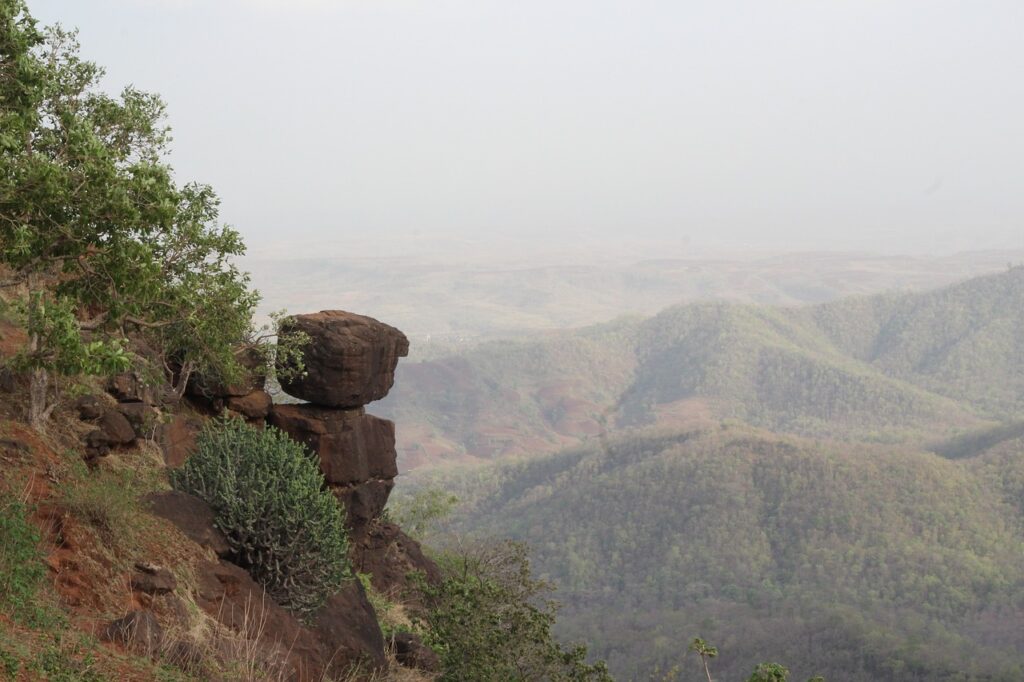
If you’re seeking a peaceful retreat from city life, Chikhaldara, Maharashtra’s hidden hill station, is the perfect destination! Surrounded by the beautiful Vidarbha landscapes, it offers stunning views, rich history, and a blend of adventure and relaxation. From the breathtaking Wairat Sunset Point to charming coffee plantations, Chikhaldara promises unforgettable experiences for nature lovers and adventure seekers alike. Join us as we explore this off-the-beaten-path getaway and share travel tips and must-see spots!

Exploring Chikhaldara: Maharashtra’s Hidden Hill Station Gem Read More »

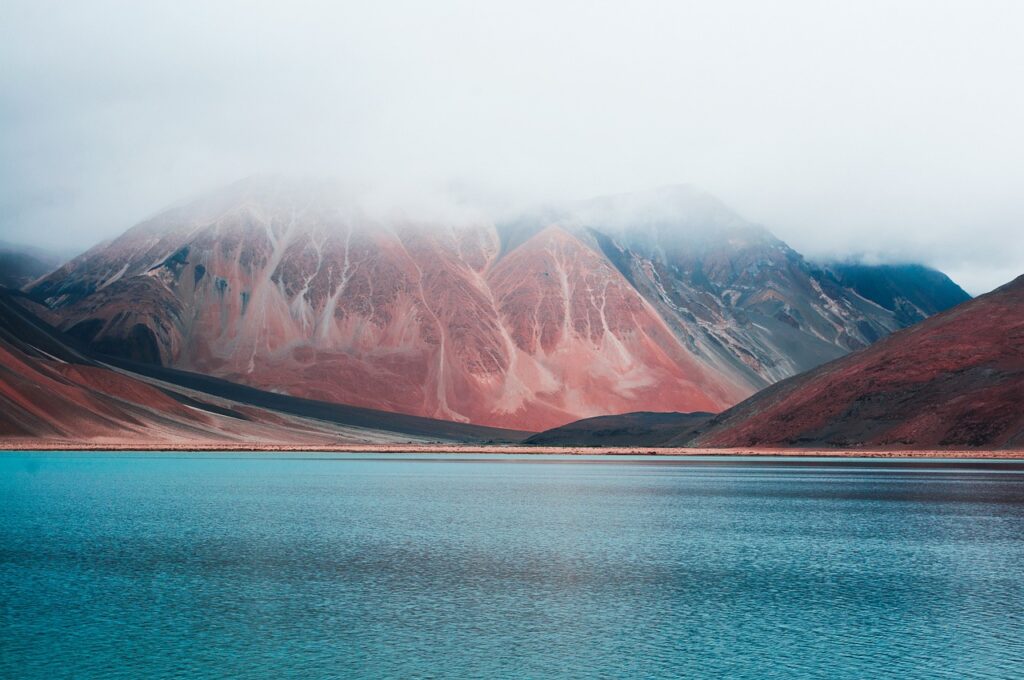
Experience the breathtaking natural phenomenon where two mighty rivers collide amidst the towering Himalayan mountains. This aerial drone footage captures the stunning confluence of the Indus and Zanskar Rivers near Leh, Ladakh, India.

When Is the Best Time to Visit Leh Ladakh? A Seasonal Guide for Indian Travelers

Leh Ladakh, India When Is the Best Time to Visit Leh Ladakh? A Seasonal Guide for Indian Travelers Planning a trip to Leh Ladakh is like preparing for an adventure of a lifetime. Nestled high in the Himalayas, Leh Ladakh offers breathtaking landscapes, unique culture, and an unforgettable experience. However, timing your visit is crucial to ensure you make the most of your journey. In this comprehensive guide, we’ll walk you through the best times to visit Leh Ladakh, breaking down the pros and cons of each season, sharing key comparisons and practical tips, and even exploring a fun twist on the phrase, what do friends with benefits mean—in a travel context. Whether you’re a backpacker, a family vacation planner, or a content creator seeking inspiration, this guide is designed with you in mind. Fun Fact: In the world of travel, the phrase “what do friends with benefits mean” can be reinterpreted to describe the numerous advantages of traveling with friends. From shared costs and companionship to enhanced experiences and mutual support, traveling with friends can truly enrich your adventure. We’ll touch on this later in the post as we explore how to make the most of your trip to Leh Ladakh. Table of Contents Leh Ladakh is renowned for its dramatic landscapes, vibrant culture, and adventure opportunities. But here’s the catch—its high-altitude environment creates a climate that can be as challenging as it is beautiful. Knowing when is the best time to visit Leh Ladakh is essential for a smooth, enjoyable trip. The weather conditions, road accessibility, and even the availability of festivals and local events vary drastically with each season. Imagine planning an expedition to a land where the weather can change in the blink of an eye. Whether you’re trekking through rugged mountain trails or exploring ancient monasteries, your experience will be shaped by the season in which you visit. This guide is here to help you navigate these variables, so you can plan your trip with confidence and excitement. 1. Introduction: Why Timing Matters in Leh Ladakh For Indian travelers, Leh Ladakh is not just a destination—it’s an experience that blends adventure, spirituality, and natural wonder. But before you pack your bags, it’s important to consider your travel style, interests, and even your travel companions. And speaking of companions, as we delve into our guide, keep in mind the question: what do friends with benefits mean? In travel, it’s about the benefits of journeying with companions who share your passions and help you overcome challenges. More on that later! 2. Understanding Leh Ladakh’s Unique Climate Leh Ladakh is a high-altitude desert region in the northern part of India, where the landscape is as stark as it is beautiful. The region experiences an extreme climate due to its altitude (around 3,500 meters above sea level) and its location in the rain shadow of the Himalayas. This unique climate means that every season in Leh Ladakh offers a distinctly different experience. The High-Altitude Environment At such a high altitude, the air is thin and oxygen levels are lower. This can lead to altitude sickness for unacclimatized visitors. Therefore, when planning your trip, it’s essential to consider not only the weather but also the time your body needs to adjust. Acclimatization is a key factor in ensuring a safe and comfortable visit. Seasonal Variations Understanding these seasonal dynamics is crucial to answering our central question: when is the best time to visit Leh Ladakh? The answer depends largely on what kind of experience you’re looking for and what activities you want to engage in. 3. Seasonal Guide: When Is the Best Time to Visit? Now that we understand the climate, let’s dive into the details of each season. This section will help you decide which season aligns best with your travel goals. Summer (May to September): Peak Adventure Season Weather and Climate:Summer in Leh Ladakh is the most popular time for tourists. During this period, daytime temperatures range from 15°C to 30°C, making it pleasant for outdoor activities. Nights can be cool, so a light jacket is recommended. Key Attractions and Activities: Advantages: Disadvantages: Autumn (October to November): A Scenic Transition Weather and Climate:Autumn brings a mild and pleasant climate with crisp, clear skies and fewer tourists. Temperatures during this season range from 10°C to 20°C. Key Attractions and Activities: Advantages: Disadvantages: Winter (December to February): The Snowy Wonderland Weather and Climate:Winter in Leh Ladakh is characterized by extreme cold, with daytime temperatures often dropping below 5°C and nights reaching as low as -10°C or lower. Heavy snowfall transforms the region into a white wonderland. Key Attractions and Activities: Advantages: Disadvantages: Spring (March to April): A Time of Renewal Weather and Climate:Spring is a season of gradual warming and rejuvenation. With temperatures rising and nature coming back to life, Leh Ladakh transforms as flora begins to bloom. Key Attractions and Activities: Advantages: Disadvantages: 4. Best Time to Visit Based on Your Interests Choosing the best time to visit Leh Ladakh ultimately depends on what you want to get out of your trip. Here’s a breakdown to help you decide based on different interests: For Adventure and Trekking Enthusiasts If trekking, hiking, and outdoor adventures are your primary focus, summer (May to September) is your best bet. The relatively mild temperatures and clear skies provide ideal conditions for exploring high-altitude trails. Many popular treks become accessible only during this season due to road conditions and weather. For Culture and Festivals For travelers interested in immersing themselves in local culture and experiencing vibrant festivals, summer and early autumn are ideal. Summer hosts major events like the Ladakh Festival, while autumn offers a quieter, more intimate glimpse into the local way of life. These seasons allow you to experience the rich traditions and lively celebrations that define the region. For Photography and Scenic Beauty If capturing stunning landscapes is your goal, autumn is the perfect time to visit Leh Ladakh. The clear, crisp air and golden hues of the mountains create

When Is the Best Time to Visit Leh Ladakh? A Seasonal Guide for Indian Travelers Read More »