Xplorer

tirthan valley

Tirthan Valley: A Breathtaking Himalayan Escape

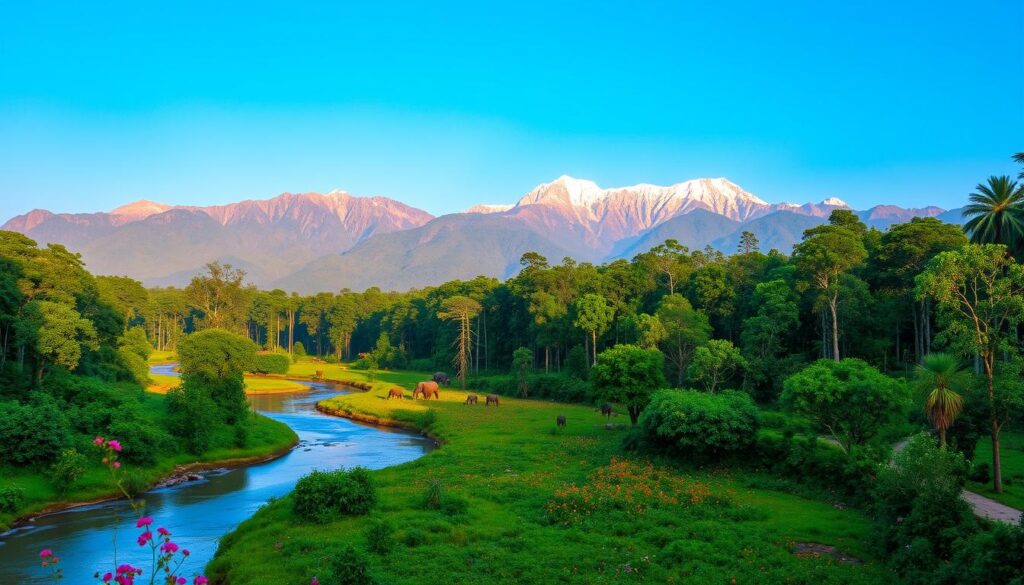
Are you ready to escape to a pristine Himalayan paradise? Imagine a place where crystal-clear rivers flow through lush green landscapes, surrounded by majestic mountains. Tirthan Valley in Himachal Pradesh, India, is a hidden gem that offers an unforgettable experience. This breathtaking destination is known for its untouched beauty. It’s an ideal getaway for nature lovers and adventure seekers. You can indulge in various activities, such as trekking, fishing, or simply taking in the serene atmosphere. Key Takeaways Discover the pristine beauty of Tirthan Valley in Himachal Pradesh. Explore the lush green landscapes and crystal-clear rivers. Enjoy trekking, fishing, and other adventure activities. Experience the serene atmosphere of this Himalayan escape. Visit Jibhi Tirthan Valley for an unforgettable getaway. The Enchanting Tirthan Valley Tirthan Valley is a hidden gem in the Himalayas, waiting for you to explore. As you enter this serene landscape, you’ll hear nature’s soothing sounds. You’ll also feel the warmth of the local culture. Table of Clarity: Quick Information Guide Information Details Location Tirthan Valley, Himachal Pradesh Nearest Airport Bhuntar Airport (Kullu) Best Time to Visit March to June and September to November Activities Trout Fishing, Trekking, Camping The Untouched Beauty of Himachal Pradesh Tirthan Valley is a collection of small hamlets along the road. Some are beautifully perched on mountains. The valley has untouched landscapes and crystal-clear waters. It’s perfect for those who love nature. A Brief History of the Valley The history of Tirthan Valley is rich and tied to local culture and traditions. It has been a haven for spiritual seekers and adventure enthusiasts. Knowing the valley’s history and cultural significance makes your visit even more special. Where is Tirthan Valley Located? The beautiful Tirthan Valley is in the Himalayas, perfect for nature fans and adventure lovers. It’s in the Kullu district of Himachal Pradesh. This area is famous for its stunning views and calm surroundings. Geographic Location in the Himalayas Tirthan Valley is in the Great Himalayan National Park. It’s known for its rich wildlife and untouched beauty. The valley is surrounded by high mountains and green forests, ideal for finding peace and connecting with nature. As you wander through the valley, you’ll hear the gentle Tirthan River. It flows smoothly through the area. Surrounding Districts and Landmarks The Tirthan Valley is near many attractions and districts. It’s a great spot for exploring the Himalayas. You can visit places like Jibhi, Jalori Pass, and Serolsar Lake, each with its own charm and views. The valley is also close to Kullu district. It’s famous for its lively markets and rich culture. To get to Tirthan Valley, take the Tirthan Valley road. It winds through mountains, showing off amazing views. The drive itself is an adventure, with beautiful stops and viewpoints. How to Reach Tirthan Valley: Transportation Guide Planning a trip to Tirthan Valley? Here’s a guide on how to get there. You can reach Tirthan Valley by air, rail, or road. This makes it easy for travelers from all over the world. By Air: Nearest Airports and Connections The closest airport is Kullu-Manali Airport, or Bhuntar Airport, about 50 kilometers away. It has flights from big Indian cities. This makes it a great starting point for your journey. Flight Connections: Regular flights from Delhi and other major cities are available. Taxi Services: Taxis and private car services are available from the airport to Tirthan Valley. By Rail: Railway Options and Routes If you prefer trains, the nearest station is Joginder Nagar, about 120 kilometers from Tirthan Valley. It’s connected to big Indian cities. Railway Connections: Regular trains from major cities like Delhi and Chandigarh are available. Hire a taxi or bus from Joginder Nagar to Tirthan Valley. By Road: Driving to Tirthan Valley Tirthan Valley is easy to reach by road, perfect for road trip lovers. You can drive from cities like Chandigarh, Delhi, or Manali. Driving Directions: From Chandigarh: Take the NH205 to reach Tirthan Valley (approx. 270 km, 6-7 hours). From Delhi: Drive to Bhuntar via NH1 and then take the road to Tirthan Valley (approx. 520 km, 10-11 hours). From Manali: Take the road to Bhuntar and then proceed to Tirthan Valley (approx. 100 km, 3-4 hours). These options let you pick the best way to travel to Tirthan Valley. Whether by air, rail, or road, the trip will be exciting. Best Time to Visit Tirthan Valley Tirthan Valley offers a unique experience all year round. The best time to visit depends on what you’re looking for. Whether it’s adventure, relaxation, or a mix of both, knowing the weather patterns is key to planning your trip. Seasonal Weather Patterns The valley’s climate changes a lot throughout the year. Summer is great for trekking and outdoor fun, with temperatures between 15°C and 25°C. Winter turns the valley into a snow-covered wonderland, perfect for snow lovers. Month-by-Month Visitor’s Guide Here’s what you can expect each month: Month Weather Activities March Mild temperatures Trekking, sightseeing June Warm weather River rafting, camping December Cold with snowfall Skiing, snowboarding Knowing the seasonal patterns and activities helps plan your trip to Tirthan Valley. You can make sure it matches your interests. Accommodation Options in Tirthan Valley Tirthan Valley is a peaceful place, perfect for those looking to relax. It has many places to stay, from cozy cottages to luxury resorts. There’s something for every budget and taste. Riverside Cottages and Homestays Riverside cottages and homestays offer a real taste of local life. You can dive into the valley’s culture and enjoy its beauty. These places are often run by families, making you feel right at home. Experience local hospitality Enjoy scenic views of the river and surrounding landscape Opportunity to try traditional Himachali cuisine Luxury Resorts and Retreats If you prefer luxury, Tirthan Valley has luxury resorts and retreats. These places have top-notch amenities like spas and fine dining. They offer a lavish stay in the valley’s stunning setting. High-quality accommodations with modern amenities Personalized services, including guided tours and activities Fine dining options serving local

Tirthan Valley: A Breathtaking Himalayan Escape Read More »

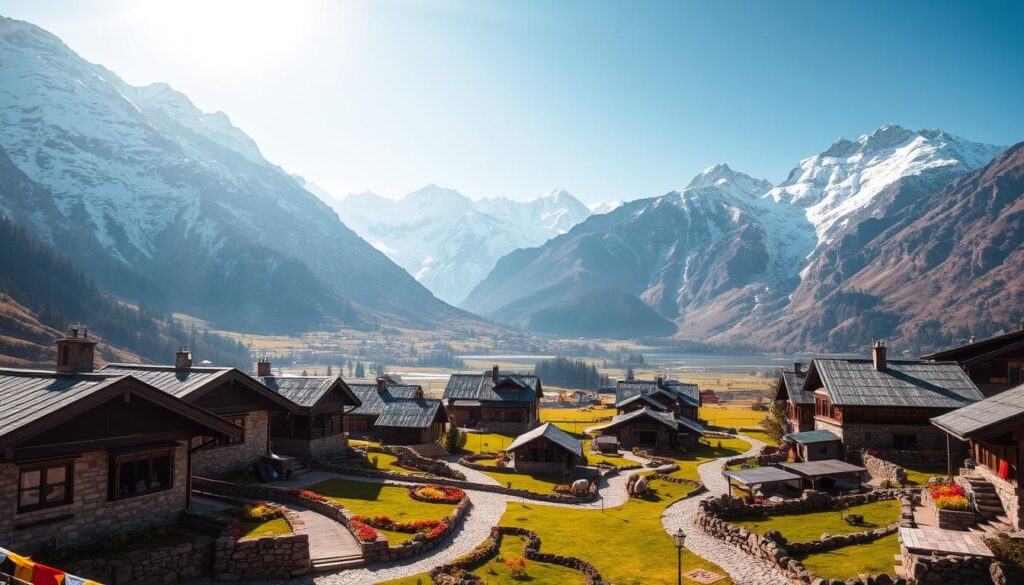
Tirthan valley, Great himalayan national park, Himachal pradesh image.

Tirthan Valley: Himachal’s Hidden Himalayan Paradise – A Complete Offbeat Travel Guide

Tired of the tourist-packed streets of Manali? Imagine a valley where the only traffic jam is a herd of sheep crossing the road, where your morning alarm is the gentle murmur of a crystal-clear river, and where the biggest decision you’ll make is whether to catch trout for lunch or trek to a hidden alpine lake. Welcome to Tirthan Valley, Himachal Pradesh’s best-kept secret and your gateway to experiencing the Himalayas as they were meant to be. Nestled in the Kullu district and serving as the entry point to the UNESCO World Heritage-listed Great Himalayan National Park, Tirthan Valley offers something increasingly rare in our connected world: genuine escape. This isn’t just another hill station with overcrowded viewpoints and commercialized experiences. Instead, it’s a living, breathing example of how sustainable tourism can preserve both natural beauty and authentic mountain culture. I discovered Tirthan Valley during a particularly overwhelming period in my life, seeking solitude that seemed impossible to find in India’s popular mountain destinations. What I found was more than just peace and quiet—I found a community of locals who’ve chosen to share their home with travelers while maintaining the very essence that makes this place special. This guide is your comprehensive roadmap to experiencing Tirthan Valley in all its untouched glory, from the practical logistics of getting there to the soul-stirring moments that will stay with you long after you’ve returned home. Why Tirthan Valley? Your Escape to Authentic Himachal The first thing you’ll notice when you arrive in Tirthan Valley isn’t what you see—it’s what you hear. The constant, soothing symphony of the Tirthan River creates a natural soundtrack that immediately signals you’ve left the chaos of city life behind. The air carries the crisp scent of pine and deodar forests, occasionally punctuated by the earthy aroma of wood smoke from village kitchens where families are preparing traditional meals like siddu and local rajma. This valley represents everything that makes Himachal Pradesh extraordinary, yet it remains wonderfully undiscovered by the masses. While places like Manali and Shimla struggle under the weight of overtourism, Tirthan Valley maintains its authentic character through a community-led approach to hospitality that prioritizes quality over quantity. The locals here aren’t just service providers—they’re your guides, storytellers, and temporary neighbors who genuinely care about your experience. What truly sets Tirthan Valley apart as one of the hidden gems near Manali is its perfect balance of adventure and tranquility. You can spend your morning fly-fishing for trout in pristine mountain waters, your afternoon exploring traditional Himachali villages where life moves at nature’s pace, and your evening sharing stories around a fire while gazing at stars undimmed by light pollution. This is eco-tourism in Himachal Pradesh at its finest—travel that enriches both visitor and host while preserving the natural and cultural heritage for future generations. The valley’s commitment to sustainable travel in the Himalayas is evident in every aspect of your visit. From the homestays built using traditional architecture and local materials to the community-managed trails that respect wildlife corridors, every element has been thoughtfully designed to minimize environmental impact while maximizing cultural exchange. You’re not just a tourist here—you’re a temporary member of a community that values conservation, authenticity, and genuine human connection. The Journey is the Destination: How to Reach Tirthan Valley Getting to Tirthan Valley requires a bit of planning, but the journey itself becomes part of the adventure. The most common route involves flying into Delhi, then either driving or taking a combination of buses and taxis. Let me walk you through the most practical options, including the crucial details that can make or break your trip. By Road from Delhi or Chandigarh: The drive from Delhi to Tirthan Valley covers approximately 500 kilometers and takes about 10-12 hours, depending on traffic and road conditions. The route follows the well-traveled path to Manali until you reach the small town of Aut, about 40 kilometers before Manali. Here’s where many travelers make a critical mistake—you must take the turn-off for Banjar before entering the Aut tunnel. Missing this turn means backtracking several kilometers, so stay alert as you approach. From Aut, the Tirthan Valley road begins its winding journey through increasingly spectacular scenery. This 35-kilometer stretch to Gushaini takes about 1.5 hours and serves as a perfect introduction to the valley’s character. The road is narrow and winding, carved into hillsides that drop away dramatically to reveal glimpses of the rushing river below. While the road conditions are generally good, they demand respect—especially during monsoon season when occasional landslides can cause delays. By Air and Train: The nearest airport is Bhuntar (Kullu Airport), about 50 kilometers from Gushaini. The airport receives flights from Delhi, but schedules can be erratic due to weather conditions. From Bhuntar, you’ll need to arrange a taxi or take a bus to Aut, then continue to Tirthan Valley. The nearest major railway station is Chandigarh, from where you can take a bus or hire a taxi for the remaining journey. Public Transport Options: Himachal Pradesh Road Transport Corporation (HRTC) operates regular buses from Delhi and Chandigarh to Aut and Banjar. From Banjar, local buses and shared taxis connect the valley’s villages. While this option is economical, it requires patience and flexibility, as schedules can be unpredictable, especially during peak tourist season. A tip I learned the hard way: always keep some cash handy for fuel and toll expenses during the drive. Many fuel stations along the route prefer cash, and having small denominations makes the journey smoother. Also, download offline maps before you start—mobile network coverage can be patchy in the mountains. Picking Your Perfect Season in Tirthan Valley Understanding the best time to visit Tirthan Valley can dramatically impact your experience. Each season offers distinct advantages and challenges, and choosing the right time depends on what you’re seeking from your mountain getaway. Spring (March to May): Spring brings new life to the valley as snow melts from lower elevations and rhododendrons burst into bloom. This is arguably the

Tirthan Valley: Himachal’s Hidden Himalayan Paradise – A Complete Offbeat Travel Guide Read More »

Snowcap Mountain, Dibang Valley, Arunachal Pradesh

Dibang Valley: Your Complete Guide to Arunachal’s Mystical, Unexplored Heart

Picture this: You’re standing at the edge of one of India’s last great frontiers, where mist-shrouded mountains guard ancient secrets and indigenous communities live in harmony with pristine wilderness. Welcome to Dibang Valley, a mystical realm in Arunachal Pradesh that has remained largely untouched by mass tourism, offering intrepid travelers an authentic glimpse into India’s northeastern frontier. Recent attention from business magnate Anand Mahindra and growing whispers among adventure enthusiasts have begun to shine a spotlight on this remote paradise. Yet Dibang Valley remains deliciously unexplored, a destination where you can still experience the thrill of true discovery. This comprehensive guide will unlock everything you need to know about Dibang Valley tourism, from navigating the complex logistics to immersing yourself in the fascinating culture of the Idu-Mishmi people. If you’re seeking an adventure that goes beyond Instagram-worthy spots and delves into genuine cultural exchange and untamed wilderness, Dibang Valley beckons. This isn’t just another travel destination – it’s a transformative journey into one of Asia’s most pristine corners, where every step reveals something extraordinary. Why Visit Dibang Valley? The Call of the Wild Imagine a place where the Himalayas unfold in their most dramatic form, where ancient forests whisper stories of time immemorial, and where crystal-clear rivers carve through valleys that have remained unchanged for millennia. Dibang Valley is nature’s masterpiece, a canvas painted with emerald forests, snow-capped peaks, and meadows that burst with wildflowers during the brief but spectacular spring season. The Dibang River, one of the major tributaries of the mighty Brahmaputra, flows through this landscape like a silver thread binding together ecosystems of incredible diversity. From subtropical forests at lower elevations to alpine meadows kissing the sky, the valley harbors species found nowhere else on Earth. Rare orchids bloom in hidden corners, while elusive snow leopards patrol the higher reaches. This is what makes Dibang Valley an unexplored destination of unparalleled natural significance. But the valley’s true magic lies in its people. The Idu-Mishmi tribe, one of Northeast India’s most fascinating indigenous communities, calls this land home. Their deep spiritual connection to the mountains and forests has preserved both their culture and the environment for centuries. Visitors have the rare privilege of witnessing a way of life that remains largely untouched by globalization, where traditional knowledge systems guide daily life and ancient rituals honor the spirits of the land. The diverse Dibang Valley culture manifests in everything from intricate handwoven textiles to elaborate festivals that celebrate the changing seasons. The Idu-Mishmi people practice their ancestral faith, Aniism, which recognizes the sacred in every aspect of the natural world. Their traditional bamboo houses, perched on stilts and built without a single nail, demonstrate remarkable architectural wisdom adapted to the valley’s unique climate and terrain. What sets Dibang Valley apart from India’s crowded hill stations and commercialized destinations is its profound sense of peace and authenticity. Here, you won’t find traffic jams or tourist traps – instead, you’ll discover the rare luxury of silence, broken only by birdsong and the distant murmur of flowing water. This is adventure travel at its purest, where the journey itself becomes as meaningful as the destination. Planning Your Expedition: How to Reach Dibang Valley & Practicalities Reaching Dibang Valley requires careful planning and considerable patience, but the rewards are extraordinary. This section of our Dibang Valley travel guide covers everything you need to know about permits, transportation, timing, and logistics to ensure your journey unfolds smoothly. Permits: Your Gateway to the Valley Before dreaming of misty mornings in Anini Dibang Valley, every non-resident of Arunachal Pradesh must secure proper permits. Indian citizens require an Inner Line Permit (ILP), while foreign nationals need a Protected Area Permit (PAP). This isn’t bureaucratic red tape – it’s a protective measure ensuring responsible tourism in sensitive border regions. For Indian Citizens – Inner Line Permit (ILP): Apply online through the official Arunachal Pradesh government portal at least 15 days before travel. You’ll need passport-sized photographs, identity proof, and detailed travel itinerary. The permit typically costs around ₹100-200 and is valid for 15 days, with possible extensions. Processing usually takes 3-7 working days, but delays can occur during peak seasons. For Foreign Nationals – Protected Area Permit (PAP): Foreign visitors must apply through registered tour operators or the Foreigners Registration Office in Delhi, Kolkata, or Guwahati. The process is more complex and can take 4-6 weeks, requiring detailed documentation including passport copies, visa details, and a comprehensive itinerary. PAP applications must be submitted well in advance, especially during winter months when processing may be slower. Getting to the Region: The Journey Begins Nearest Airport: Dibrugarh Airport in Assam serves as the primary gateway, located approximately 150 kilometers from the Arunachal Pradesh border. Regular flights connect Dibrugarh to Delhi, Kolkata, and Guwahati. From the airport, hire a taxi or take a bus to reach Pasighat or Roing. Railway Connectivity: Tinsukia Railway Station, about 40 kilometers from Dibrugarh, offers train connections to major Indian cities. However, air travel remains the most efficient option for most visitors. Road Journey to Arunachal Pradesh: From Dibrugarh, the journey to Roing (Lower Dibang Valley district headquarters) takes 4-5 hours via well-maintained highways. This scenic drive offers your first taste of Northeast India’s incredible landscapes, with tea gardens giving way to dense forests as you approach the hills. The Final Push: How to Reach Dibang Valley’s Heart The real adventure begins at Roing, where you’ll arrange onward transportation to Anini, the administrative center of Upper Dibang Valley district. This 210-kilometer journey is perhaps India’s most spectacular and challenging road trip, taking 8-12 hours depending on weather and road conditions. Vehicle Options: The road to Anini winds through changing landscapes, from subtropical forests to temperate woodlands, finally reaching alpine environments above 2,000 meters. Expect multiple river crossings, narrow mountain roads, and occasional delays due to landslides or weather. The journey itself is an adventure, offering spectacular views and multiple photo opportunities. Best Time to Visit: Timing Your Adventure Peak Season (October to March): Clear skies

Dibang Valley: Your Complete Guide to Arunachal’s Mystical, Unexplored Heart Read More »

Bhandardara

Bhandardara: Maharashtra’s Hidden Gem – A Comprehensive Travel Guide

Welcome to Bhandardara: An Overview of its Natural Splendor: Escape the ordinary and discover Bhandardara, Maharashtra’s hidden gem! This comprehensive guide unveils the natural splendor, historical sites, and thrilling adventures awaiting you in this picturesque hill station nestled in the Western Ghats. Bhandardara: Your Ultimate Travel Guide to Maharashtra’s Hidden Paradise Bhandardara stands as a picturesque holiday resort village, gracefully nestled within the Western Ghats of India. Located in the Akole tehsil of Ahmednagar district in Maharashtra, it is frequently characterized as Maharashtra’s “hidden gem”.1 This designation stems from its relatively undiscovered allure, despite being enveloped by a landscape of profound natural beauty. The village is situated serenely by the Pravara River, presenting a harmonious blend of natural environment, including cascading waterfalls, majestic mountains, and the tranquil expanse of Wilson Dam and Arthur Lake.3 The pervasive lush greenery and invigorating air contribute to a pristine ambiance, rendering it a truly idyllic and picture-perfect holiday destination.1 Why Bhandardara? Unveiling its Unique Appeal Bhandardara is recognized as a versatile destination, capable of catering to a broad spectrum of travelers. It appeals to nature enthusiasts, adventure seekers, and individuals desiring a peaceful retreat from the demands of urban life.4 The region offers distinctive opportunities for backpacking, engaging in challenging treks, experiencing lakeside camping under star-filled skies, and exploring ancient forts and temples.1 These diverse offerings collectively ensure a remarkable and unforgettable experience for every visitor, solidifying its reputation as a valuable destination for tourism.1 2. Geographical Location & Accessibility Where is Bhandardara? Bhandardara is strategically positioned in the Ahmednagar district of Maharashtra, in close proximity to Igatpuri, within the majestic Sahyadri ranges of the Western Ghats.1 Its geographical coordinates are 19°31′45″N 73°45′5″E, and it is situated at an elevation of 740 meters (2,430 ft) above mean sea level.3 A central feature of the village’s natural setting is its location on the banks of the Pravara River, which is integral to many of its primary attractions, including the notable Wilson Dam and Arthur Lake.3 How to Reach Bhandardara: Your Journey Options Bhandardara is accessible through various modes of transportation, connecting it to major urban centers in Maharashtra. Getting Around Bhandardara: Local Transport Tips Within Bhandardara itself, local transport facilities are somewhat limited. As a smaller hill station, options for getting around are not as extensive as in larger urban areas, primarily consisting of local buses that ply from Igatpuri.10 This limited availability of internal transport means that visitors should plan their mobility carefully. For those who drive to Bhandardara, utilizing their own vehicle for local sightseeing is the most convenient approach. Alternatively, resorts may facilitate cab arrangements upon request for their guests.10 Relying on spontaneous local transport within the village might prove challenging, potentially impacting the overall sightseeing experience. The explicit warnings about narrow roads while driving on the ghats and the scarcity of local transport within Bhandardara underscore the critical importance of pre-arranged transport for local exploration. 3. Best Time to Visit: Unveiling Bhandardara’s Seasonal Charms Overview of Bhandardara’s Climate Bhandardara experiences three distinct primary seasons—summer, monsoon, and winter—each uniquely transforming the landscape and offering varied experiences.14 The timing of a visit significantly influences sightseeing comfort and the availability of specific activities, including season-specific wonders such as the firefly festivals.14 The optimal period for a visit is not a singular timeframe but rather contingent on a traveler’s primary interests and desired activities. This allows for tailored recommendations rather than a universal “best time to visit.” Monsoon Magic (July – September) The monsoon season in Bhandardara is often described as “magical,” as rainfall invigorates the natural environment, leading to lush greenery and spectacular displays of overflowing waterfalls.4 Attractions such as Randha Falls and Umbrella Falls reach their full glory during this period.4 While enchanting for nature lovers, heavy rains and elevated humidity can render trekking trails slippery, necessitating caution.1 Evenings, however, are typically breezy and pleasant, providing an ideal setting for picnics near the swollen waterfalls and dams.1 Average July temperatures range from a high of 27°C (81°F) to a low of 22°C (72°F).15 This month experiences a very high probability of rain (98%), with heavy precipitation averaging around 25.6 mm per day, accompanied by high humidity (98%).15 The detailed monthly weather data, particularly for the monsoon months, provides critical actionable information for travelers. Knowing the high chance of heavy rain, high humidity, and recommended attire such as a sleeveless shirt, raincoat, and rain boots for July enables precise packing and preparation, thereby mitigating potential discomforts and enhancing the overall trip experience.15 Winter Wonderland (October – February) Winter in Bhandardara is widely regarded as the best time to visit by many, offering cool, pleasant weather and crisp, clear skies that are conducive to outdoor adventures and relaxation.1 This period is perfectly suited for embarking on treks to historical forts and majestic peaks like Ratangad, Harishchandragad, and Mount Kalsubai.9 It also presents a charming opportunity for cozy retreats by Arthur Lake, stargazing, and photography.9 Temperatures typically remain below 20°C 1, with December and January experiencing average highs around 28°C and lows between 15-18°C, along with minimal rainfall.16 Summer Escapes (March – June) Summer generally represents a quieter, less crowded period in Bhandardara. While the weather tends to be warmer, with days often hot and humid (averaging a maximum of 36°C), nights can cool down considerably.4 Arthur Lake and Wilson Dam continue to offer refreshing experiences even under warmer skies.14 This season is well-suited for peaceful retreats, discovering secluded spots, engaging in leisurely village walks, and camping near the lakes.9 Occasional pre-monsoon showers in May can contribute to a reduction in temperatures.9 Below is a consolidated overview of Bhandardara’s monthly weather, providing a quick reference for planning purposes: Month Average High Temp (°C / °F) Average Low Temp (°C / °F) Average Rain Days Average Precipitation (mm / inches) Average Relative Humidity (%) Average Clear/Sunny Hours per Day Average Wind Speed (mph / kph) January 28° / 82° 15° / 59° 0 – – 19.2 – February 31° / 88° 17° / 63° 0 –

Bhandardara: Maharashtra’s Hidden Gem – A Comprehensive Travel Guide Read More »