Picture this: soft waves gently kissing a stretch of pristine sand, coconut groves swaying in the salty breeze, and fishing boats dotting the horizon as the sun paints the sky in shades of orange and pink. Welcome to Diveagar, a hidden gem tucked along Maharashtra’s stunning Konkan coastline. Unlike the crowded beaches you’re probably tired of, this peaceful paradise offers the perfect blend of relaxation and adventure. Whether you’re hunting for the best things to do in Diveagar or simply craving a break from city chaos, this coastal village delivers an authentic experience that’ll refresh your soul.
Just a comfortable drive from Mumbai or Pune, Diveagar has become my go-to spot whenever I need to hit the reset button. What makes it special? It’s the rare combination of untouched natural beauty, rich cultural heritage, thrilling water sports, and some of the most mouthwatering seafood you’ll ever taste. This guide covers everything you need to plan the perfect weekend escape—from the safest routes to hidden spots only locals know about, plus practical tips on where to stay, what to eat, and how to make every moment count.
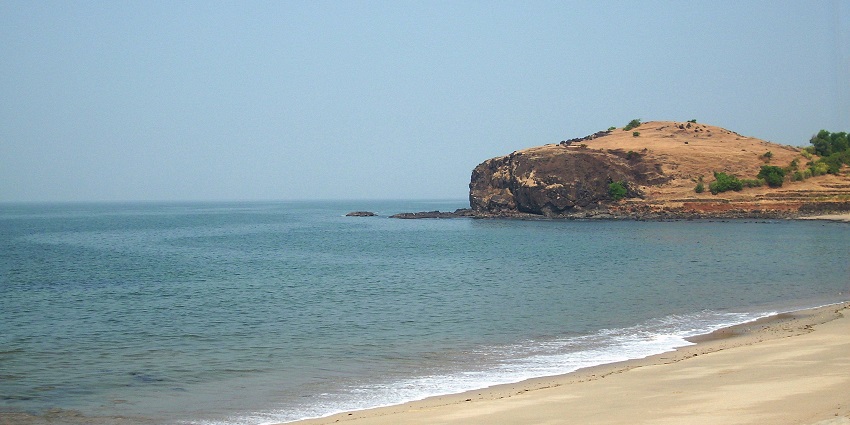
Quick Information: Diveagar at a Glance
| Category | Details |
| Distance from Mumbai | Approx. 170 km (4-5 hours by road) |
| Distance from Pune | Approx. 180 km (4-5 hours by road) |
| Best Time to Visit | October to March (pleasant weather); June-Sept (monsoon beauty) |
| Ideal Duration | 1-2 nights (2 days recommended) |
| Main Attractions | Diveagar Beach, Suvarna Ganesh Temple, Water Sports, Phansad Wildlife Sanctuary |
| Average Budget (2 Days) | ₹3,000-₹8,000 per person (depending on accommodation) |
| Food Specialty | Fresh seafood, fish curry-rice, solkadhi, bombil fry |
| Nearby Attractions | Shrivardhan Beach (8 km), Harihareshwar (25 km), Murud-Janjira Fort (50 km) |
1. Reach & Best Time: Planning Your Things to Do in Diveagar
How to Reach Diveagar from Mumbai and Pune
Getting to Diveagar is half the adventure! The journey takes you through scenic countryside, traditional villages, and lush greenery that’ll have you reaching for your camera.
From Pune (Recommended Route): Here’s the route I always take—it’s smoother and safer. From Pune, take the Expressway to Khalapur and go via Pali and Mangaon to Diveagar. This route keeps you on better-maintained roads and cuts down on those nerve-wracking narrow patches. The entire journey takes about 4-5 hours, depending on traffic and how many chai stops you make (and trust me, you’ll want to stop at least once!).
From Mumbai: Head out via the Mumbai-Goa Highway (NH66), take the turn at Mangaon, and follow the signs to Diveagar. The route passes through Mahad and offers gorgeous views of the Western Ghats. Early morning starts work best to avoid city traffic—aim to leave by 6 AM and you’ll reach in time for a late breakfast by the beach.
By Train + Taxi: The nearest railway station is Mangaon (about 40 km away). From there, you can hire a taxi or catch a local bus. Check train schedules on Indian Railways for the most current timings.
Pro Tip: Keep your fuel tank topped up—petrol pumps become sparse once you’re deep into the Konkan region.


Best Time to Visit Diveagar
October to March is absolutely perfect for beach lovers. The weather stays pleasant (20-30°C), the sea is calm enough for water sports, and you can spend hours on the sand without getting scorched. I remember watching the most stunning sunset in January—the sky turned into this incredible canvas of purples and golds.
Monsoon (June-September) transforms Diveagar into a lush green paradise. The countryside becomes absolutely breathtaking, but here’s the catch—the sea gets rough and most water activities shut down. If you’re someone who loves rain-soaked landscapes and doesn’t mind skipping the beach swim, monsoon has its own magical charm.
Summer (April-May) can get pretty hot and humid, though it’s still manageable if you stick to early mornings and evenings.
How Long Should You Stay?
Two days are enough to cover all the major attractions leisurely if you start early in the morning. A single night works if you’re really pressed for time, but you’ll be rushing. My best advice is to take it slow—this place deserves more than a quick checklist visit.
Unique Tip: Set your alarm for an early morning walk on Diveagar Beach before 7 AM. The beach is practically empty, the air is crisp, and you might spot fishermen hauling in their fresh catch. It’s a completely different vibe from the afternoon crowd scene.
2. Diveagar Beach: Sun, Sand & Sea-side Strolls
The star attraction! Diveagar Beach stretches for about 3 kilometers and offers a unique blackish-white sand mix (thanks to the minerals from the Sahyadri ranges). Unlike some Konkan beaches with steep drops, Diveagar has a gentle slope that makes it incredibly safe for families with kids. The waves here are relatively calm compared to other beaches along the coast.
Sunrise & Sunset Magic
The beach faces west, making it a sunset lover’s dream. But here’s a secret most tourists miss—head to the northern end near the coconut grove around 6:30 AM. You’ll find a quieter spot where local fishermen prepare their boats, and the morning light creates this golden glow across the sand. It’s perfect for photography or just soaking in the peaceful vibes.
Sunset happens around 6-6:30 PM (depending on the season), and the entire beach comes alive. Families spread out picnic mats, couples take long walks, and food vendors start setting up their stalls. The sight of the sun dipping into the Arabian Sea never gets old.

What Makes This Beach Special
The fishing village vibe is authentic—no over-commercialization or pushy vendors. You’ll see traditional fishing boats (called nausenas) lined up on the shore, and if you’re lucky, you might witness the fishermen coming back with their morning catch. The coconut groves provide natural shade, perfect for when the afternoon sun gets intense.
What to Pack
- Beach shoes or flip-flops (the sand can get hot around noon)
- Sunscreen (SPF 50+) – the coastal sun is stronger than you think
- Hats and sunglasses
- Light cotton clothes that dry quickly
- Beach mat or towel for sitting
- A reusable water bottle (stay hydrated!)
Insider Tip: Walk towards the fishing village on the southern end of the beach. You’ll find a small path leading through coconut groves that opens up to a quieter beach section. This is where I go when I want to read a book or just listen to the waves without any disturbance. The local families are super friendly too—I’ve had some amazing conversations with fishermen about their daily lives and the changing seasons.
3. Thrill & Chill: Adventure Activities on the Coast
If you’re someone who needs a little adrenaline rush with your beach vacation, Diveagar has got you covered!
Diveagar Water Sports
The Diveagar beach activities scene is surprisingly robust. You’ll find several operators set up along the main beach stretch (usually between 10 AM-5 PM) offering:
- Jet Skiing – Zoom across the waves at thrilling speeds
- Banana Boat Rides – Perfect for groups, lots of screams and laughter guaranteed
- Parasailing – Get a bird’s eye view of the coastline (my personal favorite!)
- Kayaking/Canoeing – Great if you prefer something calmer but still adventurous
- Speed Boat Rides – Quick tours along the coast


Safety First
Here’s something I learned the hard way—always check the equipment before you get on. Make sure life jackets fit properly (not too loose), and ask operators about their safety protocols. For parasailing especially, verify that the harness is secure and the weather conditions are suitable. Reputable operators will never rush you and will give clear instructions.
Best operators usually have proper licenses displayed and well-maintained equipment. Don’t hesitate to ask questions or walk away if something feels off. According to Maharashtra Tourism, certified water sports operators follow strict safety guidelines.
Cost Breakdown
There will be tons of watersports available, and I think total water activities cost around ₹2,000-₹3,000 per person or less, depending on what you choose. Individual activities range from ₹300-₹800 each.
Money-Saving Tip: Book morning slots (before 11 AM) when operators are more willing to negotiate. Also, if you’re in a group, ask for package deals—you can often get 3-4 activities bundled for a better rate.
For the Non-Sporty Travelers
Not everyone wants to get drenched or fly through the air, and that’s completely fine! On the way back from Diveagar, take the Diveagar – Aravi Beach – Shrivardhan route. It’s a scenic ride along the sea coast with multiple viewpoints where you can stop, click pictures, and just absorb the coastal beauty. The road hugs the coastline, offering stunning ocean vistas that’ll make you forget you’re even driving.
4. Sacred Stops & Heritage: Temples, Forts & Culture
Diveagar isn’t just about beaches and adventure—it’s steeped in spiritual significance and history that adds depth to your visit.
Suvarna Ganesh Temple
This 400-year-old temple houses a unique golden Ganesh idol that has quite a backstory. Legend says that local fishermen discovered the idol (along with idols of Lakshmi, Saraswati, and other deities) in their fishing nets centuries ago. The original gold idol was considered so precious that it was moved to a museum in Pune for safekeeping, and a replica now sits in the temple.
The temple’s architecture reflects classic Konkani style with beautiful wooden carvings. Early morning darshan (around 6-7 AM) is the best time to visit—it’s peaceful, and you can actually spend time observing the intricate details without the crowd. The temple is about 1 km from the main beach area.

What to Know:
- Timings: 6 AM – 9 PM (approximately)
- Photography: Usually allowed in the outer areas but restricted inside the main sanctum
- Dress code: Modest clothing appreciated
Other Heritage Spots
Rupnarayan Temple and Kalbhairav Temple are smaller but equally peaceful. These temples give you a glimpse into the local religious practices and are usually less crowded.
Nearby Day-Trips for History Buffs
Bankot Fort: About 30 km away, this Portuguese-era fort offers panoramic views of the Savitri River meeting the Arabian Sea. The ruins tell stories of maritime history and colonial struggles.
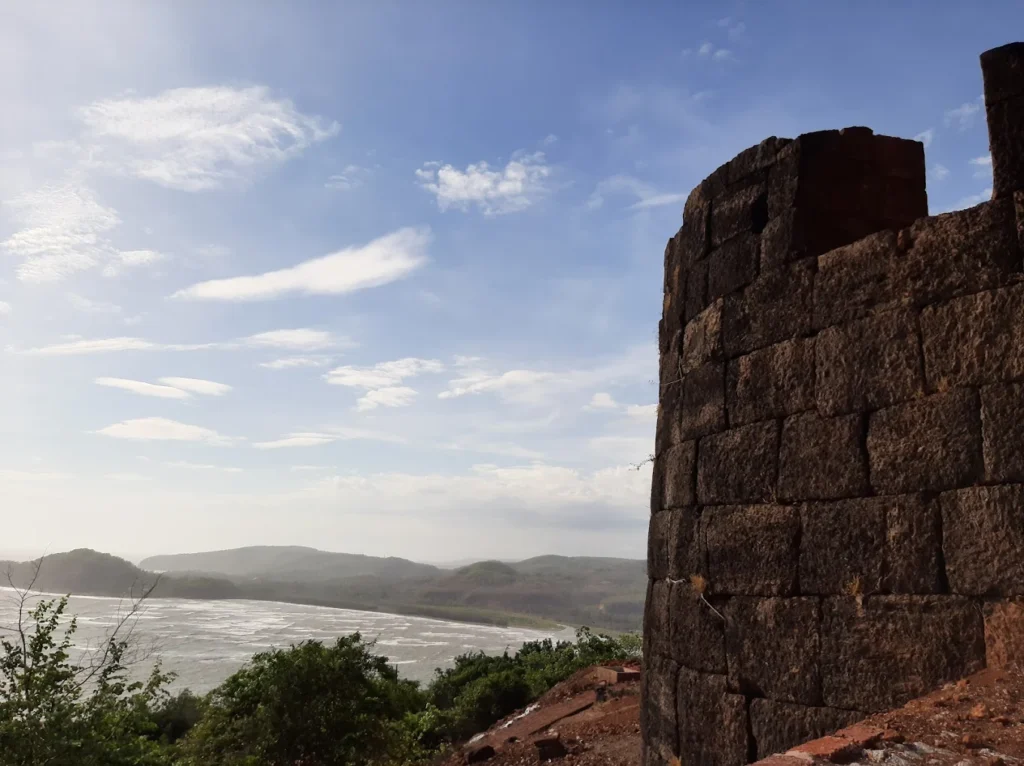
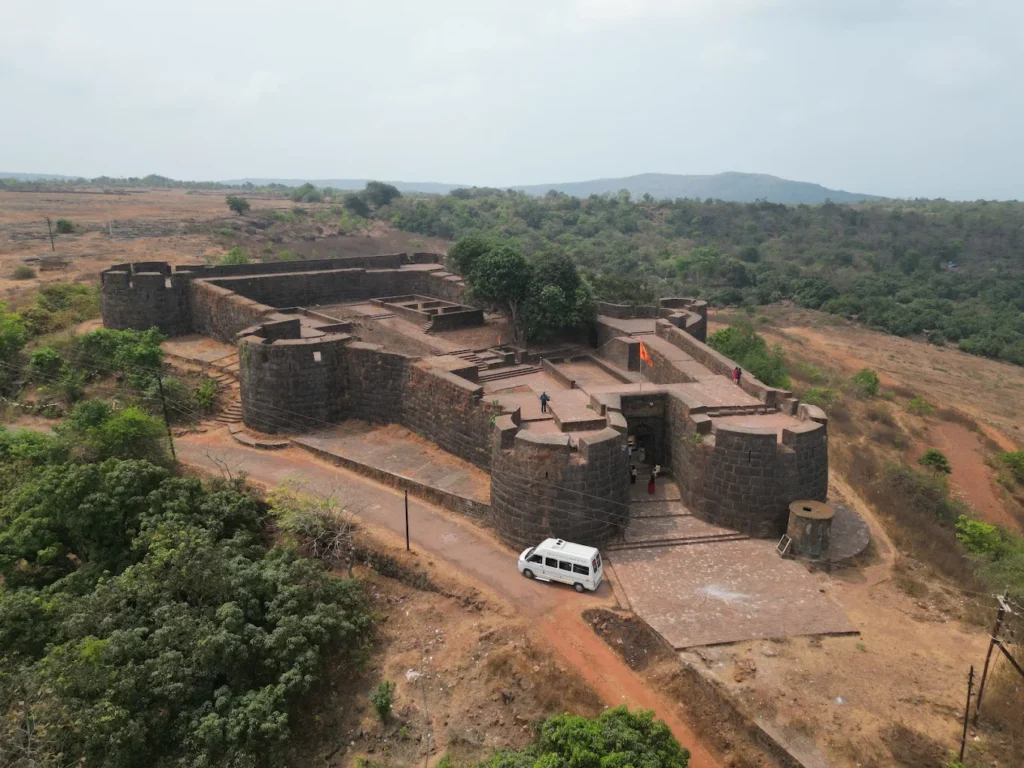
Murud-Janjira Fort: This is the crown jewel—an island fortress that was never conquered! Located about 50 km from Diveagar, this imposing structure rises from the sea and is accessible only by boat. The architecture is mind-blowing, and the history lessons you’ll get from local guides are worth every rupee. Read more about Janjira Fort’s fascinating history.
Unique Value Combo: Visit Suvarna Ganesh Temple for early morning darshan (around 7 AM), then head to one of the nearby beach shacks for a traditional Konkani breakfast—misal pav or poha with cutting chai. Starting your day with this spiritual-culinary combination sets the perfect tone.
Observing Local Life
The Diveagar temples and heritage extend beyond formal structures. Walk through the village lanes and you’ll see authentic Konkani life—fishermen mending nets, women sorting betel nuts, farmers tending coconut groves. Photography is fine, but always ask permission first and be respectful. I’ve found that showing genuine interest (asking questions about their work) leads to the warmest interactions and sometimes even invitations for chai!
5. Nature’s Call: Wildlife, Birding & Turtle Watch
Nature lovers, this section is for you! Diveagar’s surroundings offer incredible biodiversity that often gets overlooked.
Phansad Wildlife Sanctuary
Located about 40 km from Diveagar, this sanctuary is perfect for a half-day excursion. Spread across 6,900 hectares, Phansad is home to leopards, jungle cats, various deer species, and over 200 bird species. The sanctuary is part of the Western Ghats and offers well-maintained walking trails through dense forests.
What to Expect:
- Best time: Early morning (6-9 AM) for bird watching
- Entry fee: Nominal charges (around ₹50-100)
- What to carry: Binoculars, water, comfortable walking shoes, insect repellent
The Diveagar wildlife sanctuary tour typically involves a guided trek where rangers point out animal tracks, medicinal plants, and different bird species. I spotted a Malabar pied hornbill during my last visit—these birds are absolutely massive and gorgeous!


Check Phansad Wildlife Sanctuary details for current timings and permit requirements.
Unique Value for Serious Nature Lovers: Ask locals about the mangrove patches near Aravi creek. These aren’t officially promoted but offer fantastic opportunities to spot kingfishers, mudskippers, and crabs. Go during low tide for the best wildlife viewing.
Turtle Nesting (Nearby Velas)
This is something really special. The Diveagar turtle nesting experience actually happens in nearby Velas village (about 15 km away), which has become famous for Olive Ridley turtle conservation. Between February and April, these ancient marine creatures return to the beaches where they were born to lay eggs.
The Velas Turtle Festival happens during peak season, and you can witness baby turtles hatching and making their first brave journey to the sea. It’s organized by the local community with strict guidelines to protect the turtles—minimal disturbance, no flash photography, and designated viewing areas.
What You Should Know:
- Season: Primarily February to April (March is peak)
- Best viewing time: Early morning (around 6-7 AM)
- Cost: Usually includes homestay packages (₹1,000-₹2,000 per person)
- Booking: Advance reservation required during peak season
This is one of those experiences that stays with you. Watching tiny turtles, no bigger than your palm, instinctively heading toward the ocean is incredibly moving. Learn more about Velas Turtle Conservation.

Early-Morning Bird Walk Tip: If you’re staying near the beach, take a solo walk along the shoreline around 6 AM. You’ll spot sandpipers, plovers, and sometimes even the rare black-headed ibis. Carry a basic bird identification guide or download the Merlin Bird ID app—it makes spotting so much more rewarding!
6. Eat, Stay & Shop: The Local Side of Diveagar
Let’s talk about the good stuff—food, accommodation, and local treasures!
Diveagar Seafood Cuisine
Get ready for your taste buds to throw a party! The Diveagar seafood cuisine is fresh, flavorful, and unapologetically Konkani. Since this is a fishing village, you’re literally eating fish that was swimming in the ocean just hours ago.
Must-Try Dishes:
- Fish Curry-Rice (Kalwan): The staple meal—fresh fish (usually pomfret, surmai, or bangda) cooked in coconut-based curry with kokum
- Solkadhi: A refreshing pink drink made from kokum and coconut milk—perfect after a heavy meal
- Bombil Fry (Bombay Duck): Crispy, flaky, and addictive
- Prawn Koliwada: Spicy fried prawns that pair perfectly with cold beer
- Crab Curry: If available, don’t miss it!
- Modak: The sweet coconut-jaggery dumplings (especially good during Ganesh Chaturthi)


Where to Eat: The best meals happen at local homestays where hosts cook traditional recipes passed down through generations. The fish is fresher, the flavors more authentic, and you’ll get generous portions. Beach shacks are good for snacks and quick bites, but for a proper meal, I always recommend eating where the locals eat.
Budget: Expect to pay ₹200-₹400 per person for a full meal at homestays, while beach shacks charge ₹150-₹300.
Stay Options: From Budget to Beachfront
Diveagar Budget Stay (₹800-₹1,500 per night): Simple guesthouses and homestays with basic amenities—clean rooms, home-cooked meals, and genuine hospitality. Perfect if you’re backpacking or don’t plan to spend much time indoors. Look for options near the fishing village for an authentic experience.
Mid-Range (₹1,500-₹3,500 per night): Clean, comfortable rooms with AC, attached bathrooms, and often a small restaurant. These places balance comfort with affordability. Some even have small gardens or sit-out areas.
Diveagar Resorts (₹3,500-₹8,000+ per night): Beachfront properties with swimming pools, multi-cuisine restaurants, and organized activities. Great for families or couples wanting a more luxurious experience. Resorts like Prathamesh Holiday Resort and Aryawarta Resort offer good amenities.
Booking Tip: Book accommodation closer to the beach or the fishing village for the best sunrise views and easy beach access. Properties 1-2 km inland are cheaper but you’ll need transportation for beach visits.
2-Day Stay Cost Breakdown
| Budget Type | Accommodation (2 nights) | Food (2 days) | Activities | Total (per person) |
| Budget | ₹1,600 | ₹800 | ₹500 | ₹2,900 |
| Mid-Range | ₹3,000 | ₹1,200 | ₹1,500 | ₹5,700 |
| Luxury | ₹6,000 | ₹2,000 | ₹2,500 | ₹10,500 |
(Costs are approximate and per person based on double occupancy)
Shopping: Local Treasures
Diveagar isn’t a shopping destination, but you can pick up some authentic local products:
- Coconut coir products: Mats, brushes, and ropes made from coconut fiber
- Betel nuts: Buy directly from farmers at better prices
- Fresh fish: If you’re driving back, you can buy fresh catch directly from fishermen (carry an icebox!)
- Kokum: Sun-dried kokum for making solkadhi at home
- Cashew nuts: Roasted, salted, or raw from local vendors
Shopping Tip: The small market near the bus stand has a few shops selling these items. Prices are reasonable, and vendors are usually open to mild bargaining. The fishing village is the best place to buy fresh seafood—just ask around for “ताजी मासे” (fresh fish).
7. Sample 2-Day Itinerary: Maximise Your Time
Here’s how I’d plan the perfect weekend if I were visiting Diveagar today:
Day 1: Arrival & Beach Vibes
8:00 AM – Start from Mumbai/Pune (have breakfast on the way)
12:30 PM – Reach Diveagar, check into your homestay/resort
1:00 PM – Lunch at your accommodation (fresh fish curry-rice!)
3:00 PM – Head to the beach, rent beach chairs, relax
4:00 PM – Try Diveagar water sports (jet ski, banana boat, parasailing)
6:00 PM – Watch the sunset while sipping fresh coconut water
7:30 PM – Stroll through the local market
8:30 PM – Dinner featuring Diveagar seafood cuisine (try the prawn koliwada!)
10:00 PM – Back to your stay, relax on the terrace if available
Day 2: Culture, Nature & Return
6:00 AM – Early morning beach walk (catch the fishermen at work)
7:30 AM – Visit Suvarna Ganesh Temple for morning darshan
8:30 AM – Breakfast at a local eatery (poha or misal pav)
9:30 AM – Option A: Visit Phansad Wildlife Sanctuary (nature lovers)
Option B: Visit nearby Shrivardhan Beach (beach hoppers)
Option C: Relax at your resort (slow travelers)
12:30 PM – Check out from your accommodation
1:00 PM – Lunch (one last seafood feast!)
2:00 PM – Shopping at local market (coconut products, kokum)
2:30 PM – Start your return journey via the Diveagar – Aravi Beach – Shrivardhan scenic route
7:00 PM – Reach home with memories (and probably some fish!)
1-Day Quick Trip Alternative
If you can only spare one day, here’s the express version:
- Leave by 5 AM
- Reach Diveagar by 9:30 AM
- Beach time + water sports (10 AM – 2 PM)
- Lunch (2 PM – 3 PM)
- Temple visit (3 PM – 4 PM)
- Start return journey by 4:30 PM
It’s tight but doable. You’ll cover the top things to do in Diveagar without feeling completely rushed.
Slow Travel Option (For Couples/Families)
Skip the checklist mentality. Book a quality resort with a pool, spend your mornings on the beach, afternoons by the pool with a book, and evenings watching sunsets. Add a sunset boat ride if available (some resorts arrange these). Sometimes the best vacation is doing absolutely nothing—just eating good food, sleeping well, and disconnecting from your regular routine.
FAQ – Things People Ask Before Visiting Diveagar
Q: How much time is enough for things to do in Diveagar?
Two days are enough to cover all the major attractions leisurely if you start early in the morning. You’ll have time for the beach, water sports, temple visits, some nature exploration, and plenty of seafood! One day works for a quick getaway, but you’ll be rushing. Three days would be perfect if you want to explore nearby places like Harihareshwar or Murud-Janjira.
Q: Are water-sports safe and expensive at Diveagar?
Water sports at Diveagar are generally safe when you choose reputable operators. There will be tons of watersports available, and I think total water activities cost around ₹2,000-₹3,000 per person or less, depending on which activities you pick. Safety tip: Always check that life jackets fit properly, ask operators about their safety record, and avoid water sports during rough sea conditions (especially during monsoon). Morning slots tend to be safer as the sea is calmer.
Q: Which route is safer and easier to drive from Pune to Diveagar?
From Pune, take the Expressway to Khalapur and go via Pali and Mangaon to Diveagar. This one is still better and travel safe! The roads are better maintained compared to other routes, and you avoid some of the narrower village roads. The route is well-marked, so you won’t get lost. Just keep GPS handy and check road conditions during heavy monsoon.
Q: Is Diveagar beach good for families with kids?
Absolutely! Diveagar Beach has a gentle slope and relatively calm waves, making it one of the safer beaches for children. The beach isn’t too crowded, and there are plenty of homestays and resorts that cater to families. The shallow water near the shore is perfect for kids to splash around (with supervision, of course). Plus, the water sports operators are used to families and can provide appropriate safety gear for children.
Q: When is the best time to spot turtles near Diveagar?
The best time for turtle watching is February to April, with March being the peak season. You’ll need to visit nearby Velas village (about 15 km from Diveagar) where the Olive Ridley turtles come to nest. The Velas Turtle Festival is organized during this period with homestay packages. Early morning (around 6-7 AM) is when you’re most likely to see baby turtles hatching and making their way to the sea. Book in advance as this experience is incredibly popular!
Q: Are there good stay options near Diveagar beach or only resorts?
You’ve got options for every budget! There are plenty of homestays and guesthouses offering Diveagar budget stay options (₹800-₹1,500/night) right near the beach or in the fishing village. These often come with home-cooked meals and a more authentic experience. Mid-range hotels (₹1,500-₹3,500) offer more amenities, and yes, there are also Diveagar resorts (₹3,500+ per night) with pools and beachfront locations. My recommendation? Stay in a homestay near the fishing village for the real Konkan experience, or pick a beachfront resort if you want to pamper yourself.
Final Thoughts – Why Diveagar Should Be On Your Radar
Let me be honest with you—Diveagar isn’t trying to be Goa or Alibaug. It doesn’t have fancy beach clubs or nightlife. What it does have is something increasingly rare: authenticity. This is a place where you can still watch fishermen at work, eat meals prepared by local families using recipes their grandmothers taught them, and walk on beaches without dodging crowds.
The combination of pristine beaches, thrilling Diveagar water sports, sacred temples, wildlife experiences, and incredible seafood creates a weekend that satisfies every kind of traveler. Adventure seekers get their adrenaline fix, spiritual souls find peace in ancient temples, nature lovers explore forests and witness turtle nesting, and foodies discover flavor combinations they never knew existed.
What makes Diveagar truly special is its Konkan coast weekend getaway vibe—it’s close enough from Mumbai and Pune for a spontaneous trip, yet feels worlds away from city stress. The people are warm, the pace is slow, and every sunset reminds you why you needed this break in the first place.
Whether you’re planning a romantic escape, a family vacation, or a solo adventure to reset your mind, Diveagar welcomes you with open arms and spectacular views. The things to do in Diveagar aren’t just activities—they’re experiences that connect you with nature, culture, and the simple joys that we often forget exist.
Don’t delay your Konkan coast weekend getaway—pick a date, book your stay, and get ready to Xplore Heaven!
Trust me, a few days in Diveagar will leave you refreshed, recharged, and already planning your next visit. Pack your bags, grab your camera, and let the Konkan coast work its magic on you. See you on the beach!
Useful Resources:
- Maharashtra Tourism Official Site
- Indian Railways for train bookings
- Velas Turtle Conservation Project
- Maharashtra Forest Department (Phansad Sanctuary info)
Happy travels! 🌊🏖️

Read More Articles;
- Pampore Kashmir: The Definitive Travel Guide to India’s Saffron Capital
- Best Time to Visit Kashmir: The Complete Guide for Families, Couples, and Adventurers
- Dubai Tour 2026: The Ultimate Travel Guide to Itineraries, Budgets & Hidden Gems
- Vietnam Tourism: The Ultimate 2026 Travel Guide & Itinerary
- Vietnam Visa for Indians (2026): Step-by-Step E-Visa Guide & Rules