I get some version of the same question almost every week at Astamb Holidays: “What’s the weather actually going to be like?” And every time, my honest answer is — it depends which Vietnam you mean.
Vietnam isn’t one climate. It’s three. I’ve had clients land in Phu Quoc to flip-flops-and-sunscreen weather, while a friend traveling the same week was zipping up a jacket against the Hanoi mist. That’s not bad luck — it’s just how a country stretched over 1,650 kilometers from the Chinese border down to the Mekong Delta works.
This guide breaks down the best time to visit Vietnam by region, by month, and by what you actually want to do — beach time, mountain trekking, festival immersion, or just stretching your travel rupee further. By the end, you’ll know exactly what to pack, what to book early, and which month suits your kind of trip.
🗺️ The Quick Answer: When Is the Best Time to Go to Vietnam?
| Travel Goal | Best Time | Regions |
|---|---|---|
| Overall best weather (multi-region trip) | March–April or September–November | North, Central & South Vietnam |
| Best for beaches | February–July | Da Nang, Hoi An, Nha Trang, Phu Quoc |
| Best for budget travel & fewer crowds | April–June and September–October | Country-wide |
| Best for trekking in Sapa & Ha Giang | September–November (harvest) and March–May (spring) | Northern Highlands |
| Best for Mekong Delta & floating markets | December–April | South Vietnam |
For a full multi-week route across all three regions, I’d point you to our ultimate Vietnam itinerary — it’s built around exactly this kind of seasonal logic.
🌏 Understanding Vietnam’s Three Climate Zones
Vietnam’s shape is the whole story here. The country runs north to south along the coast, so the north sits in the subtropics while the south is firmly tropical. That long, narrow geography — backed by the Truong Son mountain range — means three separate weather systems are running at once, almost like three different countries sharing one passport stamp.
I tell every client the same thing before they finalize dates: decide which region matters most to your trip, then plan around that region’s calendar first. Trying to optimize for all three at once is how people end up disappointed in at least one city.
Northern Vietnam (Hanoi, Ha Long Bay, Sapa)
The north genuinely has four seasons, which surprises a lot of Indian travelers expecting tropical heat everywhere. Winters (December–February) turn cold and damp, especially in the highlands — Sapa occasionally sees frost or light snow. Summers (May–August) swing the other way, hot, humid, and wet, with the heaviest rain falling between May and September.
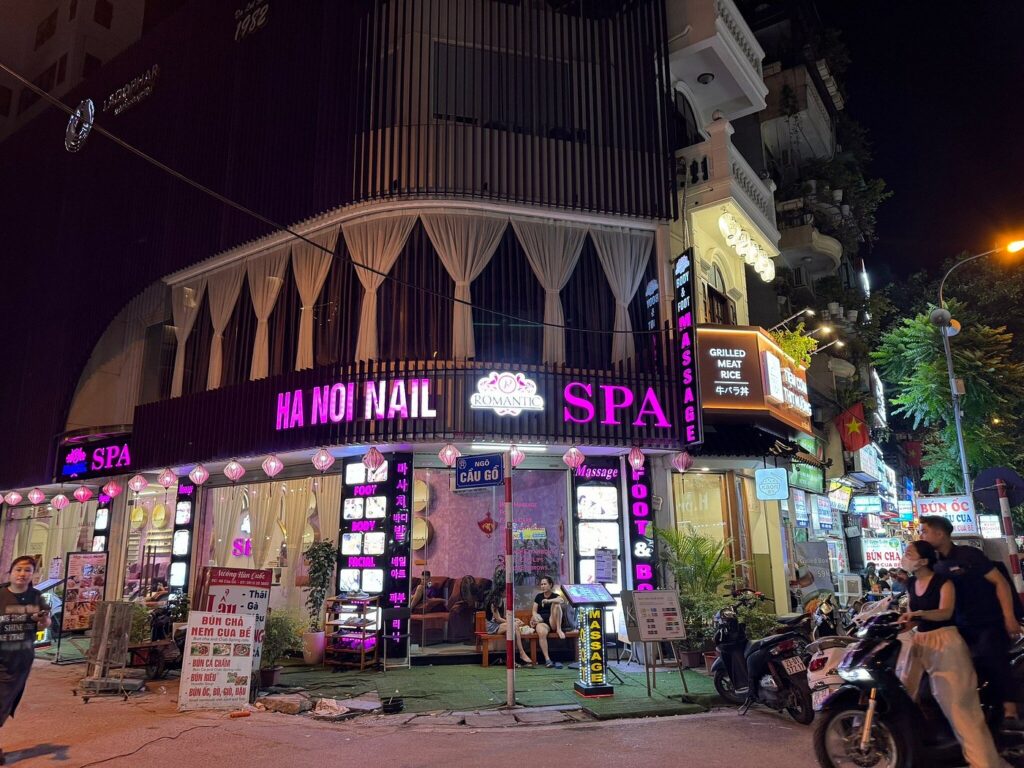
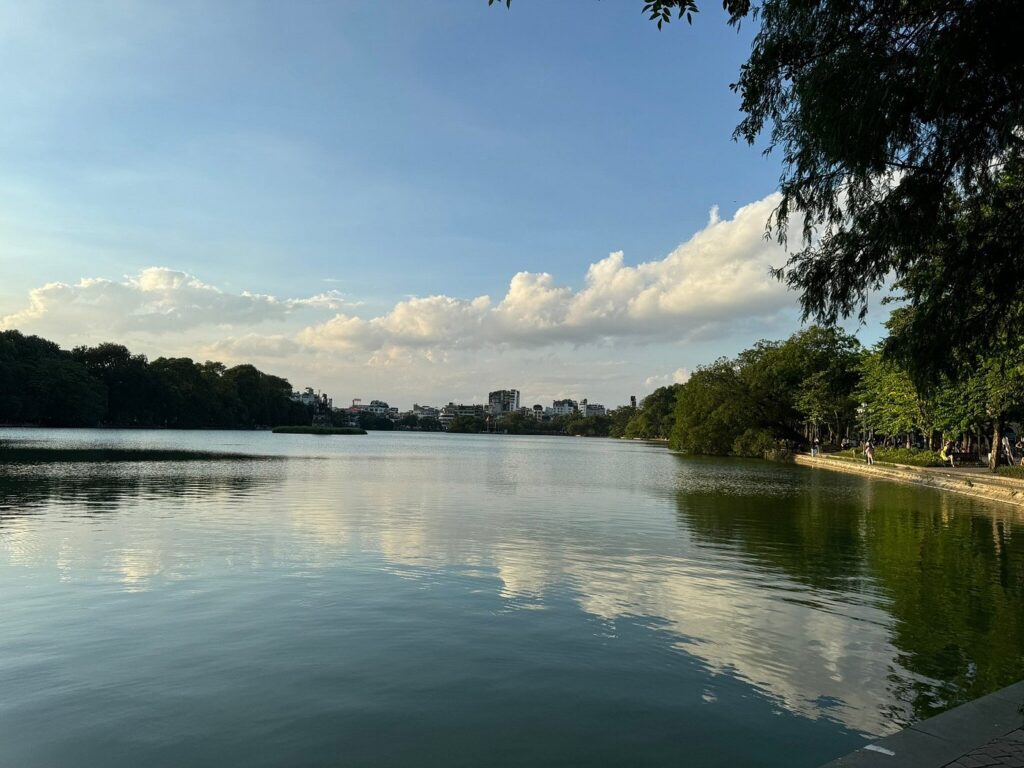
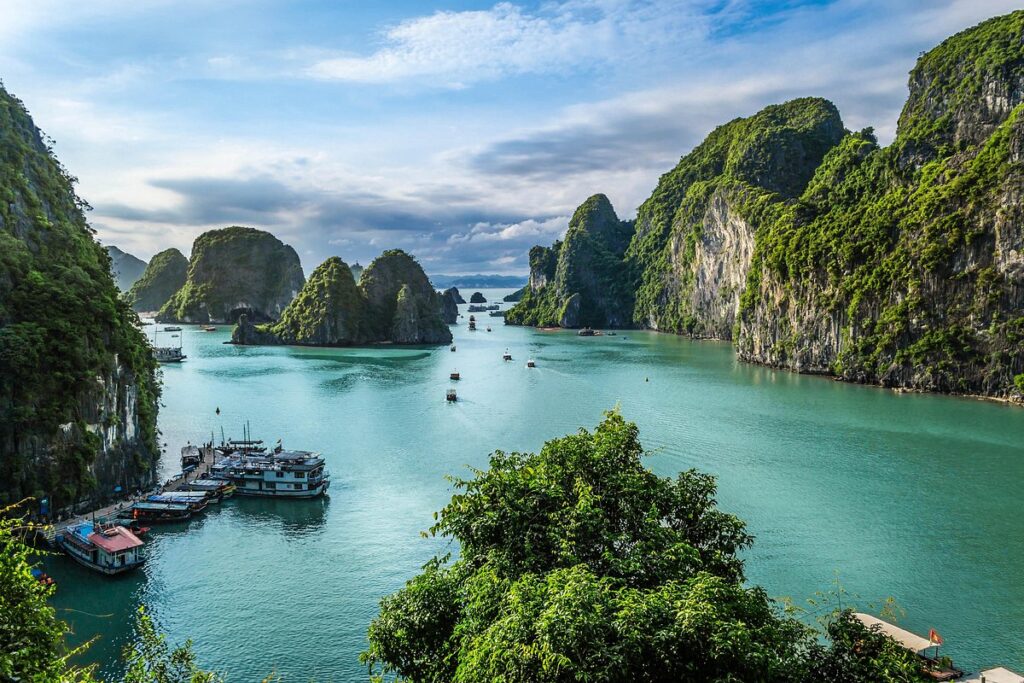
Best months to visit North Vietnam: March–April and September–November. Temperatures sit in a comfortable range, humidity drops, and skies clear up enough for proper Ha Long Bay cruise photos instead of grey haze. <blockquote><strong>📌 Local Insight Tip:</strong> September through November is also rice harvest season in Sapa and Ha Giang. The terraces turn gold, and it’s genuinely one of the most photogenic windows anywhere in Southeast Asia.</blockquote>
For city-specific planning around Hanoi and the northern highlands, our things to do in Hanoi guide pairs well with this section.
Central Vietnam (Hoi An, Da Nang, Hue)
Central Vietnam runs on a different clock entirely. It has a long, generous dry season from roughly February to August, followed by a sharply concentrated rainy and typhoon season from September to November, sometimes stretching into December.
This is the one travel warning I give every client without exception: avoid October and November in Hoi An and Da Nang unless you’re deliberately chasing moody, low-crowd photography and don’t mind flight delays. Typhoon activity peaks in October, and Hoi An’s Old Town has a real flooding history when the Thu Bon River rises.
Best months to visit Central Vietnam: February–August, with March, April, and May offering the sweetest mix of warm-but-not-scorching beach weather. <blockquo
📌 Local Insight Tip: July and August are sunny and reliable in Hoi An, but they’re also peak heat — expect 33–35°C with high humidity. I usually steer clients toward April or May instead if they want beach days without the sweat.</blockquote>
If Hoi An’s on your list, I’d also send you toward our Hoi An food guide — timing your visit right means you’re eating at night markets, not sheltering from rain.
Southern Vietnam (Ho Chi Minh City, Mekong Delta, Phu Quoc)
The south keeps things simple: just two seasons, dry (roughly November–April) and wet (May–October). And “wet” here doesn’t mean what it means in the north or center — it usually means a short, heavy afternoon downpour, then clear skies again within an hour.
Best months to visit South Vietnam: December–April, when Ho Chi Minh City, the Mekong Delta, and Phu Quoc all sit in their driest, sunniest stretch.
📌 Local Insight Tip:</strong> Don’t write off the southern wet season entirely. The Mekong Delta’s rice fields turn a deep emerald green from June onward, and water levels rise enough for genuinely scenic floating-market boat rides — just plan outdoor time around late mornings.</blockquote>
📅 Vietnam’s Weather: A Month-by-Month Guide
Here’s the breakdown for travelers searching things like “Vietnam in January” or planning around a fixed set of dates rather than flexible ones.
January in Vietnam Summary: Cold and dry up north, pleasant in the center, peak dry season in the south. Tet preparations begin building toward late January or February.
- North: Cool, crisp, low rainfall. Sapa can dip near 5–10°C; pack real layers.
- Central: Mild, dry, comfortable for sightseeing in Hoi An and Hue.
- South: Blue skies, low humidity — ideal beach conditions in Phu Quoc and Mui Ne.
February in Vietnam Summary: Arguably the most balanced month country-wide. Tet often falls within this window.
- North: Still cool but brightening, with clearer skies than January.
- Central: Excellent beach weather starting in Da Nang and Hoi An.
- South: Continues peak dry season — sunny, warm, comfortable humidity.
March in Vietnam Summary: One of my personal top picks for a first multi-region trip.
- North: Spring arrives — mild temperatures, blooming flowers, great trekking.
- Central: Warm and dry, ideal for Hoi An’s Ancient Town and An Bang Beach.
- South: Still dry, getting slightly hotter, beaches remain excellent.
April in Vietnam Summary: Hot but manageable everywhere except the deep south afternoons.
- North: Warming quickly, still good for outdoor exploring before summer humidity sets in.
- Central: Sunny skies, strong beach conditions in Da Nang and Nha Trang.
- South: Hottest stretch of the dry season; afternoon heat can hit 35°C+.
May in Vietnam Summary: The south tips into its rainy season while the center stays sunny.
- North: Hotter, more humid, occasional rain building.
- Central: Peak sunny season — this is the month for Hoi An and Da Nang beaches.
- South: Short, intense afternoon downpours begin, mornings still mostly dry.
June in Vietnam Summary: The toughest month to plan around — heavy rain in the south, building heat elsewhere.
- North: Hot, humid, frequent rain showers.
- Central: Still largely dry and very hot, around 33–35°C.
- South: Daily afternoon rain, high humidity, but mornings remain plannable.
July in Vietnam Summary: Peak summer heat across the board.
- North: Hot and humid with frequent downpours.
- Central: Sunny and crowded — beaches are at their busiest.
- South: Rainy season continues, intermittent heavy bursts.
August in Vietnam Summary: Typhoon season technically begins building in the center.
- North: Hot, humid, rain-prone.
- Central: Still mostly dry but typhoon risk starts to creep in toward late month.
- South: Heaviest rainfall stretch of the year.
September in Vietnam Summary: The north starts to cool beautifully while the center turns risky.
- North: Transitioning into autumn — drier, cooler, terraced rice fields turning gold.
- Central: Wet season and typhoon risk begin in earnest.
- South: Still rainy but starting to ease toward month-end.
October in Vietnam Summary: Great for the north, genuinely risky for the center.
- North: One of the best months of the year — cool, dry, clear Ha Long Bay views.
- Central: Peak typhoon month; flight delays and flooding are real possibilities in Hoi An and Da Nang.
- South: Drying out, typhoon risk dropping sharply.
November in Vietnam Summary: The north shines while the center is still finishing its storm season.
- North: Crisp, dry, excellent for Sapa trekking and Ha Long Bay cruises.
- Central: Tail end of typhoon season — improving but still unpredictable.
- South: Entering its dry season, beaches reopening for the winter crowd.
December in Vietnam Summary: A strong all-rounder, especially for the south and the highlands.
- North: Cold, especially in Sapa and Ha Giang; clear skies for Ha Long Bay.
- Central: Dry season returning, cooler temperatures than later spring.
- South: Peak dry season kicks off — ideal for Phu Quoc and Mekong Delta trips.
🎯 The Best Time to Visit Based on Your Travel Style
For Beach Lovers & Island Hopping
February through July is your window for Phu Quoc, Nha Trang, and the Da Nang–Hoi An coastline, with calm seas and reliable sun. Avoid the central coast entirely from September through November — that’s when storm risk peaks and beach access can shut down without warning.
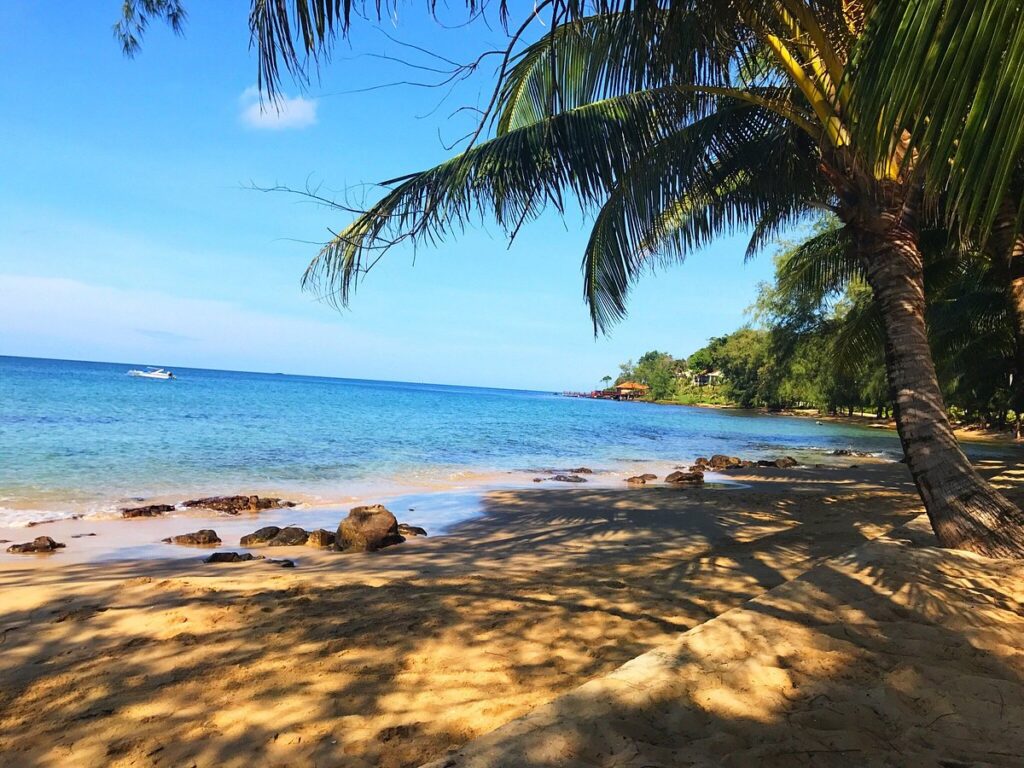
Phu Quoc and the far south stay relatively beach-friendly even into the shoulder months, since it sits furthest from the typhoon belt. I always check our Vietnam’s best beaches roundup before finalizing a beach-focused itinerary for clients.

For Trekking, Hiking & Adventure
September to November is harvest season in Sapa and Ha Giang — golden terraces, cooler air, and genuinely manageable trail conditions. March to May is the second-best window, with spring blooms and milder heat before the summer humidity sets in.
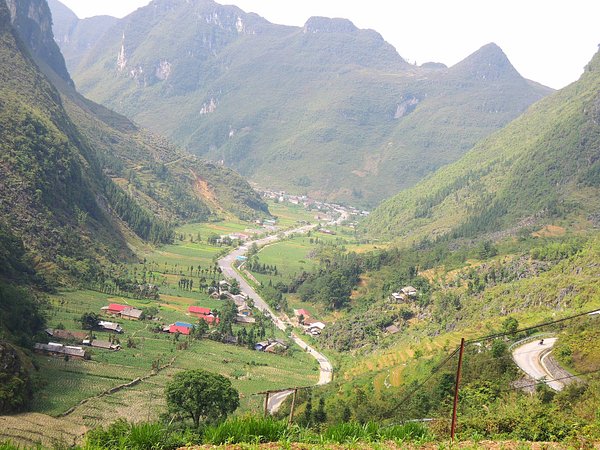
- Avoid trekking from June to August: trails turn slippery, and landslide risk rises in the highlands.
- The Ha Giang Loop is technically rideable in winter, but expect cold, foggy mornings and reduced visibility on mountain passes.
- Pack layers even in “warm” months — altitude in Sapa changes everything fast.
For Budget Travelers & Avoiding Crowds
April to June and September to October are the sweet-spot shoulder seasons — solid weather, noticeably thinner crowds, and lower accommodation rates than peak winter or Tet. I’ve seen hotel rates in Hoi An and Hanoi drop by a meaningful margin during these windows compared to the December–February high season.
If budget logistics are your main concern, our backpacking Vietnam on a budget guide goes deeper into seasonal pricing patterns city by city.
For Cultural Experiences & Festivals
Tet (Lunar New Year) is Vietnam’s biggest cultural event, and it’s worth experiencing once — streets fill with flower markets, lion dances, and family celebrations. The trade-off is real: many family-run restaurants, shops, and even some attractions close for several days, transport gets booked out weeks in advance, and prices spike. <blockquote><strong>📌 Local Insight Tip:</strong> If you do want Tet without the full disruption, arrive a few days before the holiday itself. Pre-Tet flower markets are some of the most vibrant scenes in the country, and most businesses are still running.</blockquote>
Other festivals worth building a trip around include the Mid-Autumn Festival (lantern processions, typically September) and the biennial Hue Festival, which celebrates royal and cultural heritage in the former imperial capital.
⚖️ High Season vs. Low Season in Vietnam: A Quick Guide
| Season | Months | Pros | Cons |
|---|---|---|---|
| High Season | December–February | Best overall weather, dry conditions across the country, festive Tet atmosphere | Higher prices, crowded attractions, Tet holiday closures, increased transport demand |
| Shoulder Season | March–April, September–October | Pleasant weather, fewer crowds, better hotel and flight rates | Slightly higher typhoon risk in Central Vietnam during September–October |
| Low Season | May–August | Lowest travel costs, fewer tourists, lush green landscapes | Hot, humid weather with frequent rainfall in Northern and Southern Vietnam |
| Typhoon Season | September–November (Central Coast) | Fewer crowds, dramatic scenery, lowest hotel rates in Hoi An and Da Nang | Risk of flight delays, flooding, and beach closures |
🧳 What to Pack for Vietnam by Season
Packing right comes down to one rule: pack for the coldest region on your route, not the average.
- North in winter (Dec–Feb): Warm jacket, thermal layers, closed shoes — Sapa and Ha Giang get genuinely cold.
- North in summer (May–Aug): Light breathable fabrics, a compact rain jacket, quick-dry layers.
- Central in dry season (Feb–Aug): Sun hat, reef-safe sunscreen, swimwear, light cotton clothing.
- Central in typhoon season (Sep–Nov): Waterproof footwear, a packable poncho, flexible itinerary buffer days.
- South year-round: Lightweight clothing, swimwear, a small umbrella for sudden afternoon showers.
- All regions: A universal power adapter, mosquito repellent, and a printed copy of your e-visa approval — phone battery dies at the worst moments.
📌 Local Insight Tip: December in the North means a warm jacket; the same week in Phu Quoc only needs a swimsuit and sandals. Most packing mistakes I see from Indian travelers come from underestimating just how cold Sapa and Ha Giang get relative to the rest of the country.</blockquote>
🛂 Visa & Entry Requirements for Indian Travelers
Indian citizens currently need a visa for any visit to Vietnam — there’s no visa-free entry for Indian passport holders at this time.Despite ongoing discussions about potential visa exemption agreements, no visa waiver has been granted for Indian citizens at the time of writing. The most practical route for most travelers is the official e-Visa, applied for entirely online before departure.
- The e-Visa is valid for up to 90 days, single or multiple entry, and is accepted at all 83 international entry points covering airports, land borders, and seaports.
- Standard government fees run around USD 25 (~₹2,150) for single entry and USD 50 (~₹4,300) for multiple entry, paid directly through the official portal.
- Apply through the official government site at evisa.gov.vn, and build in at least a week’s buffer before your departure date.
- A Visa on Arrival option exists but requires a pre-approved letter before you fly — you cannot simply land and apply at the counter.
- One narrow exception applies: travelers flying directly to Phu Quoc International Airport from outside Vietnam and staying only on the island can enter visa-free for short stays, though this doesn’t apply once you travel onward to other cities.
📌 Local Insight Tip: At Astamb Holidays, we tell every Vietnam-bound client to apply for the e-Visa at least 10 days out — processing can slow noticeably during Vietnamese public holidays, especially in the weeks surrounding Tet.
⚠️ Safety & Travel Advisory Notes
Vietnam is broadly safe for Indian travelers, but a few seasonal and regional points are worth flagging honestly rather than glossing over:
- Typhoon season (roughly June–November, peaking August–October) brings real disruption risk to Central and Northern coastal areas — flight delays, road closures, and occasional flooding in low-lying parts of Hoi An.
- Mountain routes like the Ha Giang Loop can see landslide risk during the summer wet months; check local conditions before riding.
- Travel insurance covering trip delays and medical evacuation is genuinely worth the small upfront cost, particularly if your trip overlaps with shoulder-season typhoon risk.
- Standard precautions apply everywhere — traffic in Hanoi and Ho Chi Minh City moves fast and dense, so extra care is needed crossing streets and on motorbike taxis.
❓ Frequently Asked Questions
What is the absolute best month to visit Vietnam?
Most travel experts point to March for a multi-region trip. The north has cleared its winter fog, Central Vietnam’s beaches are warming nicely, and the south is still in its comfortable, dry stretch before the April heat spike sets in.
What is the rainiest month in Vietnam?
October tends to bring the heaviest combined rainfall, largely because it’s peak typhoon season for Central Vietnam while the north and south are still finishing their own wet patterns.
How hot is Vietnam in summer?
Summer (June–August) regularly pushes temperatures past 33–35°C in Central and Southern Vietnam, with high humidity making it feel hotter. The north is similarly hot and humid, though slightly milder at higher elevations like Sapa.
Is it worth visiting Vietnam during the rainy season?
Yes, with the right expectations. Southern rain usually arrives as short, intense afternoon bursts rather than all-day downpours, leaving mornings free for sightseeing, and hotel rates drop noticeably during this stretch.
What is the cheapest month to travel to Vietnam?
June through August typically offers the lowest flight and hotel prices, since it overlaps with hotter, wetter weather and fewer international visitors across most regions.
When is typhoon season in Vietnam?
Typhoon season runs roughly June to November, with the Central Coast (Da Nang, Hoi An) most exposed, and the highest-risk window falling between September and November.
Do I need to book in advance for travel during Tet?
Yes, well in advance. Domestic flights, trains, and hotels around Tet fill up fast as millions of Vietnamese travel home, and prices climb noticeably in the weeks before and after the holiday.
🙋 People Also Ask
What are the 3 climate zones in Vietnam?
Vietnam splits into North (four distinct seasons, cold winters), Central (a long dry season followed by a sharp typhoon season), and South (simple tropical dry and wet seasons).
Am I crazy for wanting to visit during the monsoon?
Not at all — many experienced travelers deliberately choose it for lush green landscapes, dramatic skies, and far lower prices, as long as they build flexibility into the itinerary for sudden weather changes.
How bad are the crowds during high season?
December through February sees Vietnam’s biggest crowds and highest prices, especially around Ha Long Bay cruises, Hoi An’s Ancient Town, and anywhere near the Tet holiday window.
Can I do the Ha Giang Loop in the winter?
Yes, but expect cold temperatures, fog on mountain passes, and reduced visibility — pack proper layers and avoid riding early morning when fog is thickest.
Is Hoi An completely flooded during the rainy season?
Not constantly, but flooding episodes do happen, particularly in October and November when the Thu Bon River rises after heavy typhoon rainfall — it’s worth checking forecasts close to your travel dates.
So, What’s the Verdict?
The best time to visit Vietnam really comes down to which part of the country you care about most and what you want to do once you’re there. A beach-first trip points you toward February through July; a trekking-focused trip points you toward the September–November harvest window or the March–May spring stretch.
If I had to give one universal answer for a first multi-region trip, it’s this: March–April or September–November consistently deliver the most workable weather across all three zones at once. Outside those windows, just plan region by region rather than forcing one calendar to fit the whole country.
If this is your first time putting a Vietnam itinerary together, take a look at our ultimate Vietnam itinerary for a route that’s already built around this seasonal logic — and browse the rest of our Vietnam coverage on Xplore Heaven for city-specific planning.
About the Author
Wahid Ali is a seasoned travel professional and Operations Lead at Astamb Holidays, Mumbai. With extensive experience in crafting travel experiences and destination insights, Wahid combines practical travel logistics expertise with engaging storytelling to help travelers explore hidden gems across India and beyond. His work blends expert travel planning with a passion for culturally rich and nature-oriented destinations.
Connect with Wahid Ali on LinkedIn | xploreheaven.com
Sources & References
This article is backed by authoritative sources and research:
- Vietnam National Electronic Visa System – Official Government Portal
- Vietnam E-Visa for Indian Citizens: Complete 2026 Guide
- Vietnam Entry Requirements for Indian Citizens in 2026
- Phu Quoc Visa-Free Policy – Vietnam Discovery Travel
- Tropical Cyclones in Vietnam – Wikipedia
- Tết (Vietnamese New Year) – Wikipedia
- Tet Holiday 2027 Dates – National Today
- Best Time to Visit Vietnam: Weather by Month – Rough Guides
- Best Time to Visit Vietnam – Intrepid Travel
- Weather in Vietnam – Trafalgar Travel
- Typhoon Season in Vietnam: Timing, Risks & Travel Advice – VinWonders
- When Is Vietnam’s Typhoon Season? A Guide by City – Vietnam Guide
- Climate in Vietnam: Best Time to Visit and Travel Tips – Asia Tour Advisor
- When to Go to Vietnam? Weather and Climate – Two Continents
- VND to INR Exchange Rate – Wise