The best time to visit Kashmir isn’t a single month circled on a calendar. It’s four completely different valleys stacked on top of each other, each one showing up depending on when you land.
Fly in during April and you’ll catch melting snow lines and tulip fields. Land in July and you’ll find alpine meadows so green they look photoshopped. Come back in October and the same trees have turned copper-gold. Show up in January and none of it is recognizable under three feet of snow.
In my experience planning tours at Astamb Holidays, the question I get most from first-time travelers isn’t “is Kashmir safe” or “what should I pack” — it’s “when should I actually go.” And the honest answer is: it depends on what kind of trip you want, what budget you’re working with, and how much crowd you can tolerate standing between you and a gondola ticket.
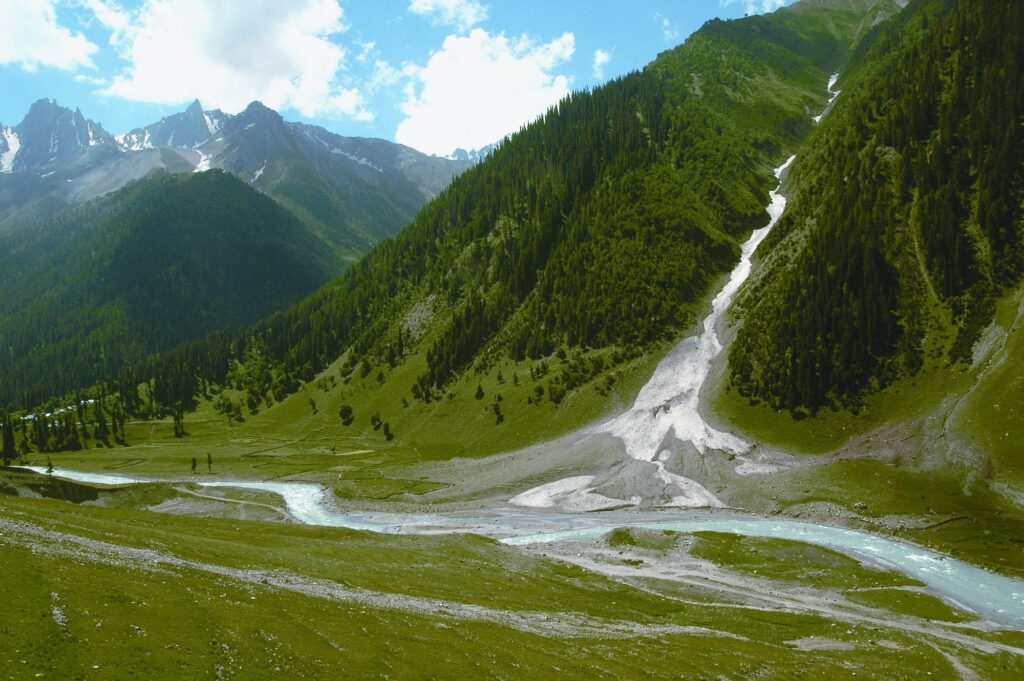
This guide breaks Kashmir down season by season, month by month, and traveler type by traveler type, so you can pick your window with your eyes open.
🗓️ What Is the Best Time to Visit Kashmir? (The Quick Answer)
Quick Season Summary
If you need the short version before you scroll further:
- Spring (March–May): Tulip blooms, melting snow, moderate crowds
- Summer (June–August): Green meadows, family trips, peak crowds and prices
- Autumn (September–November): Golden Chinars, quiet roads, best value
- Winter (December–February): Snowfall, skiing, budget stays outside Gulmarg
There’s no wrong season in Kashmir. There’s only a season that matches what you’re chasing.
Peak vs. Shoulder vs. Off-Season
Two windows count as genuinely peak in Kashmir: April to June, when domestic families flood in to escape the plains heat, and December to January, when snow-chasers descend on Gulmarg. Hotel prices climb, Gondola queues stretch for hours, and taxi unions raise their per-day rates without much apology.
November and early March sit at the other end. Tourist volume drops sharply, hotel owners negotiate on price, and you can walk into a Dal Lake houseboat that was booked solid six weeks earlier in the season.
| Season | Months | Weather & Temperature | Best For | Budget & Crowd Level |
|---|---|---|---|---|
| Spring | March – Early May | 10°C to 20°C; crisp winds, light showers | Tulip blooms, almond blossoms, melting snow in Gulmarg | Moderate budgets; growing crowds |
| Summer | Mid-May – August | 15°C to 30°C; warm days, cool nights | Alpine trekking, family vacations, Amarnath Yatra | High cost; peak crowds, fully booked hotels |
| Autumn | September – November | 10°C to 23°C; cool, dry, crisp nights | Golden Chinar canopies, apple harvest, quiet honeymoons | Moderate cost; relaxed crowd levels |
| Winter | December – February | -8°C to 8°C; sub-zero nights, heavy snow | Skiing, snowboarding, frozen lake experiences | Peak cost in Gulmarg; low cost elsewhere |
Local Insight Tip: If you’re chasing value over Instagram bragging rights, November is the valley’s best-kept secret. The Chinars have mostly dropped their leaves, but hotel rates in Srinagar and Pahalgam fall by close to 30-40%, and you’ll have Dal Lake’s shikaras almost to yourself.
🍂 The Four Seasons of Kashmir: A Sensory & Practical Breakdown
Spring (March to May): Blooms, Blossoms, and Melting Snow
March is about transitions. Srinagar’s almond orchards in Badamwari break into pale pink and white blossoms while the higher passes are still locked under snow.
The centerpiece of the season is the Indira Gandhi Memorial Tulip Garden, Asia’s largest tulip garden, spread across seven terraces below the Zabarwan hills. For 2026, the garden opened on March 16 with roughly 1.8 million tulips across more than 70 varieties, and peak bloom is typically expected in the first two weeks of April. It stays open for around three to four weeks before the flowers fade, so the window is genuinely narrow.
- Entry fee: ₹75 for Indian adults, ₹30 for children, ₹200 for foreign nationals
- Timings: 9:00 AM to 7:00 PM daily
- Pro tip: Visit on a weekday morning; weekend crowds can cross tens of thousands in a single day
Gulmarg still holds thick snow patches at Phase 2 of the Gondola well into late April, which makes spring an odd but rewarding mix — you can walk through blooming tulip terraces in the morning and stand on packed snow by afternoon. If you want a full breakdown of what else opens up this season, our scenic places to visit in Kashmir guide covers the spring circuit in more detail.
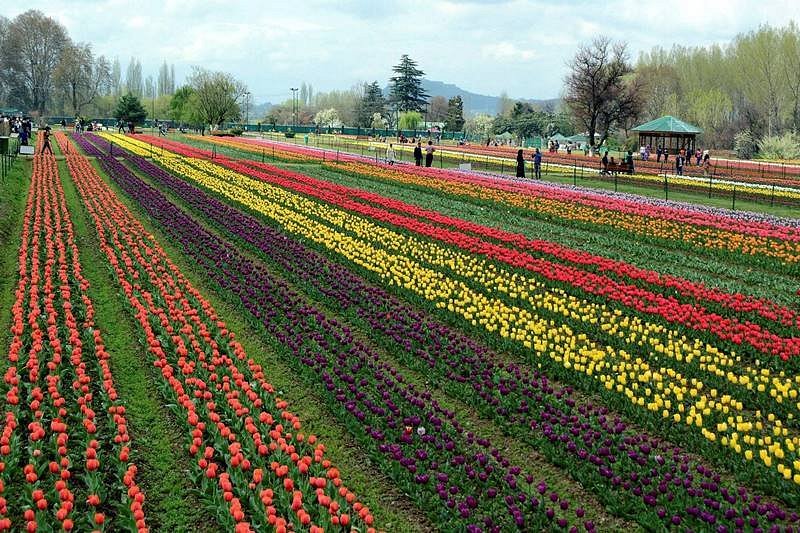
Local Insight Tip: Book your Srinagar hotel with tulip-season dates in mind, not general “spring” dates. The garden’s opening shifts by a week or two depending on how early the soil warms, so confirm dates through J&K Tourism before locking in flights.
Summer (June to August): High Meadows and Alpine Trekking
June flips the valley from brown-green to full alpine green. Pahalgam’s Baisaran Valley, often nicknamed mini-Switzerland by local guides, opens up completely, and Sonamarg’s meadows turn into a base camp for treks heading toward Thajiwas Glacier.
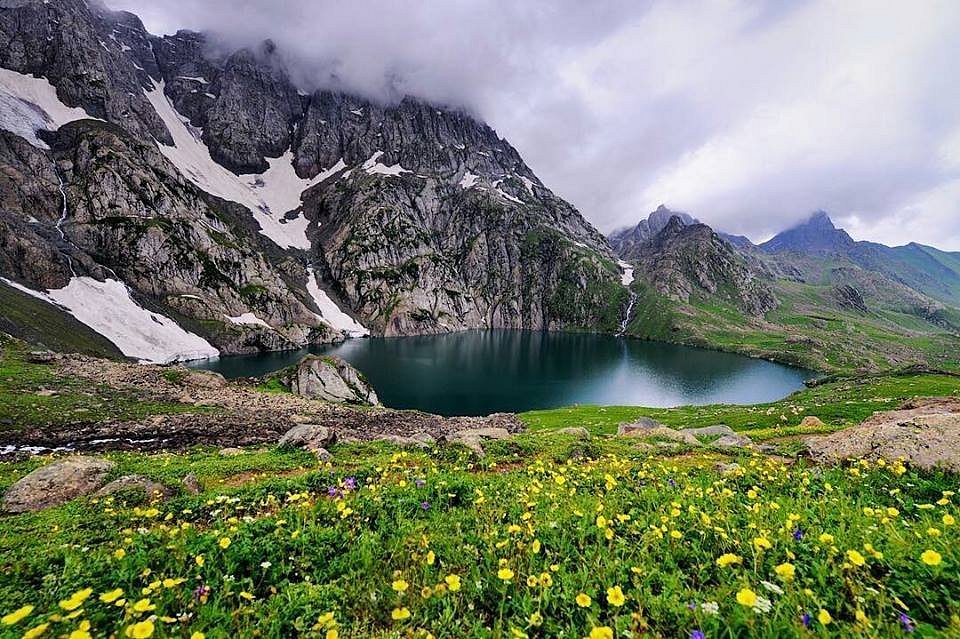
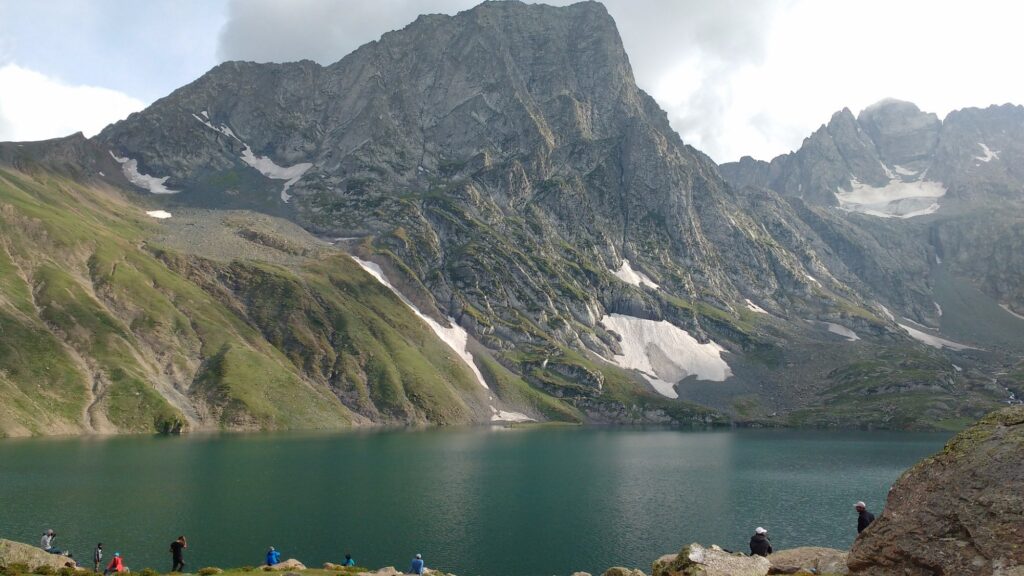
For serious trekkers, the Kashmir Great Lakes (KGL) Trek is the marquee summer bucket-list item — a multi-day high-altitude circuit connecting alpine lakes like Vishansar and Gadsar, typically walked between July and early September when the snow has cleared enough for safe passage.
2026 also brings the Amarnath Yatra, which runs from July 3 to August 28 (a 57-day pilgrimage). This year carries one significant change: no helicopter services are operating on either the Baltal or Pahalgam route, since SASB declared the entire Yatra corridor a No-Flying Zone from July 1, 2026. That pushes far more pilgrim traffic onto the roads and trekking routes, so expect heavier congestion on NH-44 near Pahalgam and Baltal through late August.
- Baltal route: ~14 km, steep, 1-2 days
- Pahalgam route: ~46-48 km, gradual, 3-5 days
- Registration fee: ₹150 per pilgrim, mandatory Compulsory Health Certificate required
If your travel dates overlap with the Yatra window, book Pahalgam accommodation well outside the immediate base camp zone and expect slower transit days.
Local Insight Tip: Non-local tourist taxis cannot legally ply inside Pahalgam or Sonamarg for internal sightseeing. You’ll need to switch to a local union cab at designated stands — this is standard practice, not a scam, so budget an extra ₹1,500-2,500 for local transfers.
Autumn (September to November): The Golden Chinar and Saffron Harvest
September is quiet by comparison. Summer crowds thin out fast, and the valley’s Chinar trees begin their slow shift from deep green to fiery gold, ochre, and rust.
By October, Nishat Bagh and Shalimar Bagh — both Mughal-era gardens lining Dal Lake — turn into some of the most photographed spots in the country. The light hits differently in autumn: softer, lower angle, and the reflections on the lake pick up the copper canopy overhead.
Around the same time, the saffron fields of Pampore, roughly 15 km from Srinagar, come alive with the annual harvest. Late October into early November is peak picking season, when the entire district smells faintly of the crocus flower.
Autumn is also, quietly, the best month for a honeymoon — fewer crowds, golden light for photographs, and hotel rates that are noticeably softer than April or June.
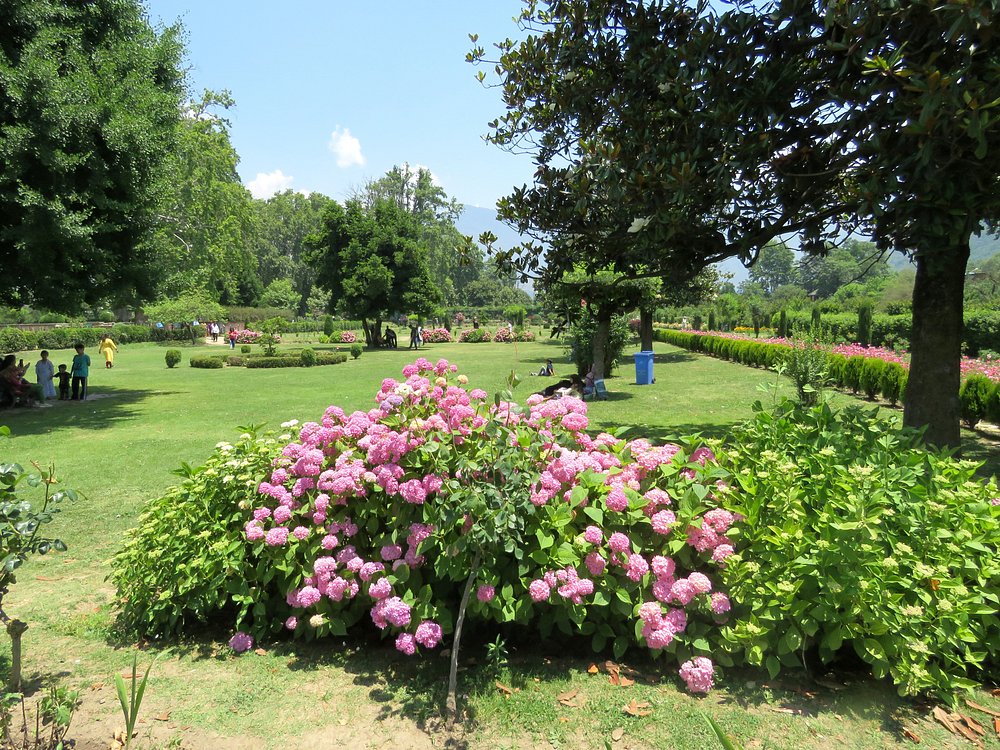
Local Insight Tip: Pack layered clothing for autumn. Daytime temperatures sit comfortably in the low 20s°C, but nights drop into single digits fast, especially in Pahalgam and Sonamarg.
Winter (December to February): Frozen Lakes, Bukhari Fireplaces, and Powder Snow
Chillai Kalan — the harshest 40-day stretch of Kashmiri winter — begins on December 21 and runs into late January. Temperatures in Srinagar routinely dip below zero at night, and the pine forests around Gulmarg disappear under fresh powder.
This is ski season. The Gulmarg Gondola runs in two stages: Phase 1 from Gulmarg to Kongdoori, and Phase 2 up to Apharwat Peak at over 13,000 feet. For 2026, ticket prices run roughly ₹800 for Phase 1 and ₹900-1,000 for Phase 2, though these figures move slightly through the season, so check the official JKCCC portal before you travel. Both phases are now booked exclusively online — there’s no walk-up counter left in 2026, so pre-book at least two weeks ahead during December and January.
Off the slopes, winter is when Kashmiri cuisine earns its reputation. Harissa, a slow-cooked winter lamb stew traditionally eaten before sunrise, and warm Kahwa (saffron tea) become daily rituals. Houseboats and hotels heat rooms with Bukhari wood-fired stoves, though budget houseboats without central heating can get genuinely cold overnight — worth confirming heating arrangements before booking.
- Best powder snow window: Mid-January to mid-February
- Peak cost zone: Gulmarg specifically; Srinagar and Pahalgam stay comparatively cheap
- What to know: Gondola Phase 2 closes without notice during heavy wind or snowfall; refunds process in 7-10 working days
For a deeper look at slope conditions and gear rental, our comprehensive Gulmarg skiing guide breaks down what a first-time skier actually needs.
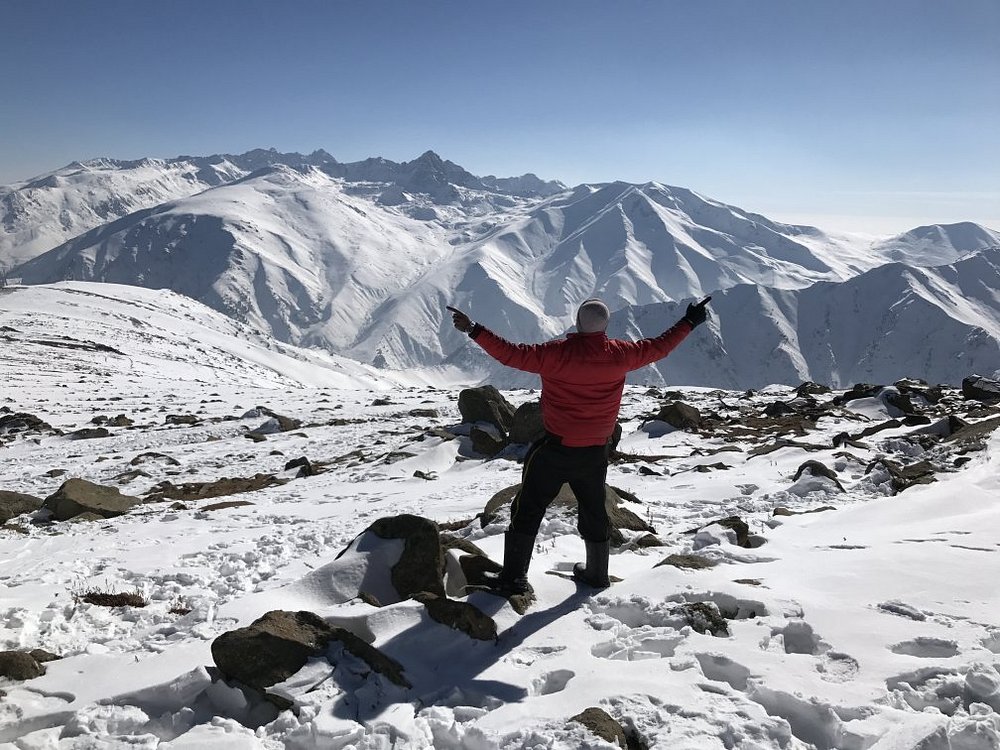
Local Insight Tip: Ask specifically about Bukhari heating when booking a winter houseboat. Some budget-tier boats only heat the common area, not individual cabins, and December nights on Dal Lake without central heating are genuinely rough.
📅 Best Time to Visit Kashmir: Month-by-Month Guide
January
Thick snow blankets Srinagar, Gulmarg, and Pahalgam. Winter sports peak, roads occasionally close after heavy snowfall, and Dal Lake’s edges can partially freeze.
- Temperature: -8°C to 4°C
- Clothing: Heavy down jackets, thermal layers, snow boots
- Cost: High in Gulmarg, moderate elsewhere
February
Powder snow conditions in Gulmarg remain excellent for skiing. Pahalgam turns quiet and photogenic under fresh snow with far fewer visitors than January.
- Temperature: -6°C to 6°C
- Clothing: Waterproof gloves, wool beanies, insulated boots
- Cost: Moderate, slightly lower than January
March
Early spring arrives. Snow begins melting in the lower valley, mustard fields start blooming, and the Tulip Garden prepares for its mid-month opening.
- Temperature: 5°C to 15°C
- Clothing: Light woolens, windcheater jacket
- Cost: Low to moderate, rising toward month-end
April
Peak spring. The Tulip Festival is in full swing at Srinagar, and walking weather across the valley is close to ideal.
- Temperature: 10°C to 20°C
- Clothing: Light layers, sturdy walking shoes
- Cost: Rising fast; book two to three weeks ahead
May
Transition month into summer. Flowers bloom across the valley and family crowds begin rising ahead of school holidays.
- Temperature: 13°C to 24°C
- Clothing: Cotton wear with a light fleece for evenings
- Cost: High, approaching peak summer rates
June
Meadows turn lush green, mountain passes clear fully, and high-altitude trekking routes like Kashmir Great Lakes open for the season.
- Temperature: 16°C to 28°C
- Clothing: Cotton clothing, sunscreen, light jacket for evenings
- Cost: Peak season pricing begins
July
The warmest month. Alpine lakes are completely ice-free, and the Amarnath Yatra begins mid-month, adding pilgrim traffic to NH-44.
- Temperature: 18°C to 30°C
- Clothing: Breathable cottons, sun protection
- Cost: Peak; hotels fully booked in Pahalgam and Baltal corridors
August
Monsoon influence brings humidity and occasional rain-triggered highway blockages. Apple plucking begins in orchards across the valley.
- Temperature: 17°C to 28°C
- Clothing: Light rain gear, quick-dry clothing
- Cost: High, tapering slightly by month-end
September
Early autumn settles in. Weather turns pleasantly cool and dry, and the peak summer crowd thins out noticeably.
- Temperature: 12°C to 24°C
- Clothing: Light layers, a light jacket for evenings
- Cost: Moderate, dropping from summer highs
October
Peak autumn color. Chinar trees across Srinagar’s Mughal gardens turn gold, and the saffron harvest begins in Pampore.
- Temperature: 8°C to 20°C
- Clothing: Layered clothing, thermal innerwear for mornings
- Cost: Moderate; strong value for the visual payoff
November
Late autumn slides into early winter. Frost appears on mornings, nights turn cold, and this is genuinely the quietest month in the valley.
- Temperature: 3°C to 15°C
- Clothing: Warm jackets, thermal layers
- Cost: Lowest of the year outside peak winter
December
Major snowfall begins, especially in Gulmarg. Houseboats turn cozy with Bukhari heaters, and holiday crowds pick up sharply after mid-month.
- Temperature: -4°C to 8°C
- Clothing: Heavy down jackets, snow boots, gloves
- Cost: Rising fast toward Christmas and New Year peak
💑 Best Time to Visit Kashmir for Specific Travel Styles
The Romantic Honeymoon
October and January both make strong cases, just for different reasons. October gives you golden Chinar backdrops, quiet gardens, and softer hotel rates — ideal if you want photographs without fifty strangers in the frame. January gives you snowfall, Bukhari fireside evenings, and the kind of cold that makes a houseboat feel genuinely romantic rather than just cold.
If budget matters more, October wins outright. If snow is non-negotiable for your photos, January is worth the extra cost.
Family Vacations with Children
Late April through June is the safest, most convenient stretch for families. Roads are fully open, weather is mild enough for children, and most attractions — Gondola included — run on predictable schedules without weather-related shutdowns.
Budget-Conscious Explorers
November and early March are Kashmir’s quiet secret. Hotels drop rates aggressively to fill rooms, taxi drivers are more open to negotiation, and you’ll get the same views without the same crowd. This is the smartest window if this is your first Kashmir trip and you’re testing whether it’s worth a bigger-budget return visit.
Adventure Seekers & Ski Enthusiasts
Target mid-January to mid-February for the most reliable powder snow in Gulmarg. Earlier in winter, snowpack is often thinner and less consistent for serious skiing and snowboarding.
Offbeat Valley Explorers (Gurez & Yousmarg)
Gurez Valley only opens fully between late May/June and October, once the Razdan Pass clears of snow. Outside that window, the pass is impassable by road, and helicopter access (when available) is limited and weather-dependent.
Permit rules here shift periodically — as of 2026, Indian nationals generally don’t need a special permit for the main valley and Dawar township, though border-adjacent villages like Chakwali still require clearance from the Bandipora DC office. Foreign nationals currently need separate approval and, in most cases, are not permitted into Gurez at all due to its proximity to the Line of Control. Always verify current rules before you plan, since this is one of the more fluid permit situations in the valley. Our Gurez Valley travel guide walks through the checkpoint process in more detail.
🚧 Crucial Travel Logistics & Seasonal Safety Realities
Local Transport & Taxi Union Rules
Non-local tourist taxis from Srinagar cannot enter Gulmarg, Pahalgam, or Sonamarg for internal sightseeing. At each destination, you switch to a local union cab — this is a longstanding arrangement between local drivers’ unions and the tourism department, not an optional add-on. Budget accordingly: local sightseeing runs typically cost ₹1,500-3,000 depending on the destination and number of stops.
Managing the NH-44 Road Closures
The Jammu-Srinagar National Highway (NH-44) is Kashmir’s main road link to the rest of India, and it’s genuinely fragile. Monsoon rains in July-August trigger landslides and mudslides on the Jammu-side stretches, while heavy January snowfall can shut sections entirely for days at a time.
When NH-44 closes, flying into Srinagar becomes the only reliable alternative — and fares spike accordingly during closure periods. If your travel dates fall in peak monsoon or peak winter, book flexible flight tickets rather than betting on the highway staying open.
Booking the Gulmarg Gondola Tickets in Advance
Gondola tickets, especially Phase 2, sell out weeks ahead during April-May and December-January. Since all bookings moved online in 2026 with no offline counter option, plan to book through the official JKCCC portal at least 15-20 days before travel. Our essential things to do in Kashmir guide has a full walkthrough of the Gondola booking process alongside other advance-booking activities worth locking in early.
🎒 Packing List Guide for Every Season
Spring Checklist:
- Light woolens
- Windcheater jacket
- Sturdy walking shoes
Summer Checklist:
- Cotton clothing
- Light fleece for Pahalgam/Gulmarg evenings
- Sunscreen and sunglasses
Autumn Checklist:
- Layered clothing
- Thermal innerwear
- Warm jacket for mornings and nights
Winter Checklist:
- Heavy down jacket
- Waterproof gloves
- High-quality thermal innerwear
- Snow boots and wool beanie
For a destination-specific breakdown, check our full what to pack for Kashmir guide before you start shopping.
✅ Final Verdict: Choosing Your Perfect Window
There isn’t a single correct answer to when you should visit Kashmir — only the answer that fits your goals. If you want silence, warm golden light, and prices that don’t punish you for booking late, autumn is hard to beat. If you want green meadows, family-friendly logistics, and don’t mind sharing the view with a few hundred other travelers, summer delivers that reliably.
Winter rewards patience and cold tolerance with genuinely unforgettable snowscapes, while spring gives you a two-week window that’s arguably the most photogenic in the entire calendar, if you can time it right.
Whatever you pick, build your comprehensive Kashmir itinerary around your season, not the other way around — the valley changes character enough between months that the same 7-day route can feel like two entirely different trips.
❓ Frequently Asked Questions
What is the best time to visit Kashmir?
The best time to visit Kashmir depends on your preferences. For colorful flower blooms and pleasant weather, visit in spring (March to May). For lush green meadows and comfortable climates, choose summer (June to August). If you want golden foliage and fewer crowds, autumn (September to November) is ideal, while winter (December to February) is the top choice for snow experiences and skiing.
Which month is best to see snowfall in Kashmir?
The best months to see fresh snowfall in Kashmir are January and February. During this period, Gulmarg, Pahalgam, and Sonamarg are covered in thick powdery snow, and winter sports are in full swing.
When does the Tulip Garden in Srinagar open?
The Indira Gandhi Memorial Tulip Garden typically opens for three to four weeks, from mid-to-late March through mid-April. In 2026, it opened on March 16 with peak bloom expected in early April. Exact dates shift slightly each year based on how early the season warms.
Is it safe to visit Kashmir during the monsoon season?
Yes, Kashmir is generally safe during the monsoon (July-August), since the Pir Panjal mountain range blocks most heavy monsoon clouds, meaning the valley receives far less rain than the rest of India. Heavy rains can occasionally trigger landslides on NH-44, so flying into Srinagar is the safer backup option during this window.
Which is the cheapest month to visit Kashmir?
The cheapest months to visit Kashmir are the off-season shoulder windows of November and early March. Tourist footfall drops sharply, and you can find meaningful discounts on houseboats, hotels, and local flights.
When is Gurez Valley open for tourists?
Gurez Valley is generally open from late May/June through October, once snow clears from the Razdan Pass. Permit requirements shift periodically, so confirm current rules with the Bandipora DC office before traveling, particularly if you plan to visit border-adjacent villages.
How many days are sufficient for a Kashmir trip?
A standard 7-8 day trip is enough to cover Srinagar, Gulmarg, and Pahalgam at a relaxed pace. If you want to add offbeat areas like Sonamarg, Yousmarg, or Gurez, plan for 10-12 days.
Can we see snow in Gulmarg in April?
Yes. While snow melts in Srinagar by March, thick patches remain in Gulmarg — especially around Phase 2 of the Gondola at Apharwat Peak — well into late April.
About the Author
Wahid Ali is a seasoned travel professional and Operations Lead at Astamb Holidays, Mumbai. With extensive experience in crafting travel experiences and destination insights, Wahid combines practical travel logistics expertise with engaging storytelling to help travelers explore hidden gems across India and beyond. His work blends expert travel planning with a passion for culturally rich and nature-oriented destinations.
Connect with Wahid Ali on LinkedIn | xploreheaven.com
This article is backed by authoritative sources and research.
- Jammu & Kashmir Tourism – Official Portal
- Shri Amarnathji Shrine Board – Official Yatra Information
- Jammu & Kashmir Cable Car Corporation – Gondola Bookings
- Incredible India – Jammu & Kashmir
- India Meteorological Department – Kashmir Weather
- Ministry of Tourism, Government of India
- National Highways Authority of India
- Lonely Planet – Kashmir Travel Guide
- UNESCO – Mughal Gardens of Kashmir Tentative List
- Jammu & Kashmir Bank – Amarnath Yatra Registration Info
- District Administration Bandipora – Official Portal
- Directorate of Floriculture, Jammu & Kashmir
- India Meteorological Department – Srinagar Climate Normals
- Ministry of Home Affairs – Restricted/Protected Area Permits
- Press Information Bureau – Jammu & Kashmir Updates

- Pampore Kashmir: The Definitive Travel Guide to India’s Saffron Capital
- Best Time to Visit Kashmir: The Complete Guide for Families, Couples, and Adventurers
- Dubai Tour 2026: The Ultimate Travel Guide to Itineraries, Budgets & Hidden Gems
- Vietnam Tourism: The Ultimate 2026 Travel Guide & Itinerary
- Vietnam Visa for Indians (2026): Step-by-Step E-Visa Guide & Rules