India Travel

What to See in Vengurla – Ultimate Konkan Beach Guide

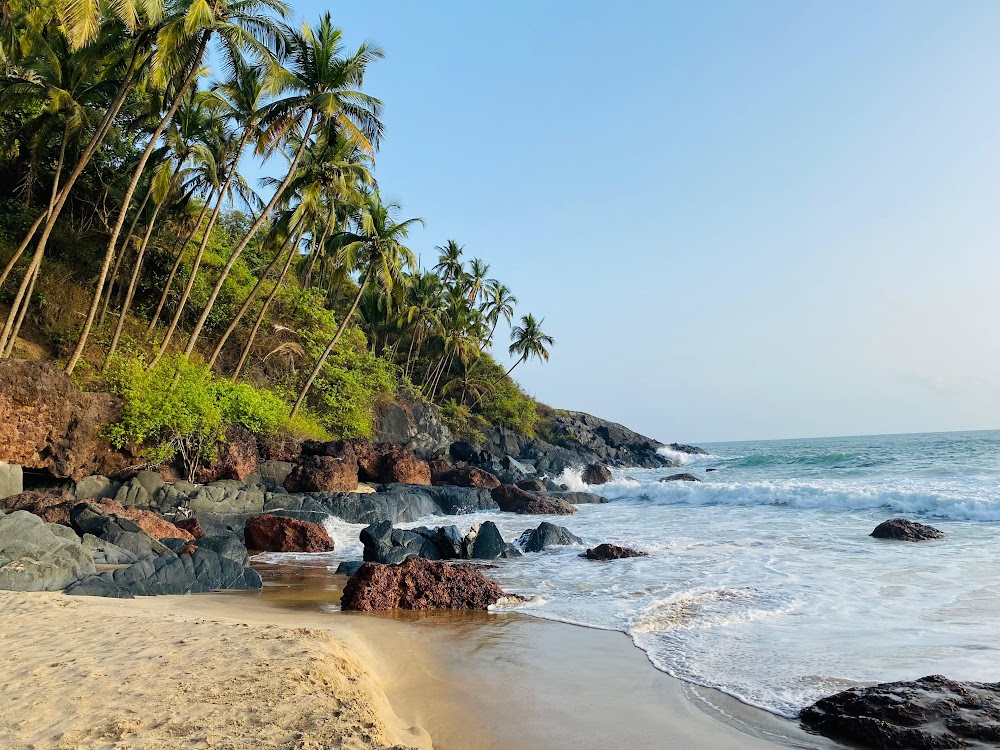
Quick Vengurla Travel Information Category Details Location Sindhudurg District, Maharashtra (South Konkan Coast) Distance from Mumbai ~520 km (10-11 hours by road) Distance from Pune ~430 km (8-9 hours by road) Distance from Goa ~120 km (3 hours by road) Best Time to Visit October to March (cool and pleasant) Nearest Railway Station Kudal (12 km away) Language Spoken Marathi, Konkani, Malvani Famous For Pristine beaches, lighthouse views, Malvani cuisine Ideal Trip Duration 2-3 days Introduction Ever felt tired of fighting for a spot on crowded beaches? Sick of overpriced shacks and noisy beach parties? Then Vengurla is calling your name. Tucked away in Maharashtra’s Sindhudurg district, Vengurla is that rare Konkan treasure most travelers haven’t discovered yet. While everyone’s rushing to Goa or standing shoulder-to-shoulder at Alibaug, this quiet coastal town offers something truly special – empty white-sand beaches, crystal-clear waters, and the kind of peace that makes you forget your phone exists. This guide will walk you through everything what to see in Vengurla, from its stunning beaches and historic lighthouse to hidden coves only locals know about. Whether you’re planning a family holiday, a solo escape, or a romantic weekend, Vengurla delivers that authentic Konkan experience you’ve been searching for. Ready? Let’s explore this hidden paradise. Best Beaches When Visiting Vengurla 1. Khavane Beach – The Crown Jewel Khavane Beach is where most travelers fall in love with Vengurla. Picture this: soft white sand stretching for miles, gentle waves perfect for swimming, and barely another soul in sight. The beach curves beautifully, creating natural pools during low tide that kids absolutely love. What Makes It Special: Beach-Specific Tips: Best Time Local Food Crowd Avoidance What to Pack 6:30-8:00 AM for sunrise magic Try Bhaji-Pav and fresh coconut water from the blue cart near the entrance Visit on weekdays; weekends get busier after 10 AM Sunscreen, hat, reusable water bottle, beach mat Local Secret: Walk to the rocky section at the south end during low tide (around 4-5 PM). You’ll find tide pools filled with tiny crabs and colorful fish – perfect for photography! 2. Kondura Beach – The Adventure Spot If you’re craving some action, Kondura Beach delivers. This beach is rockier than Khavane, making it ideal for exploring tide pools and watching powerful waves crash against ancient stones. It’s less crowded and has a wilder, more rugged charm. What Makes It Special: Beach-Specific Tips: Best Time Local Food Crowd Avoidance What to Pack 5:00-7:00 PM for golden hour Fresh fried fish from the shack near parking (ask for Surmai) Mornings are almost empty Water shoes (rocks can be sharp), camera, light jacket for evening breeze Safety Note: The waves here can be strong. Stay cautious if you’re planning to swim, especially during monsoon months. 3. Mochemad Beach – The Peaceful Retreat Want a beach all to yourself? Mochemad Beach is your answer. This lesser-known stretch is quieter than its famous neighbors, making it perfect for meditation, reading, or just listening to the waves without interruption. What Makes It Special: Beach-Specific Tips: Best Time Local Food Crowd Avoidance What to Pack Early morning or late afternoon (avoid midday sun) Carry your own snacks – limited food options nearby Already uncrowded! Picnic supplies, hammock (trees are perfect), binoculars for bird watching Insider Tip: This beach is ideal for practicing yoga or meditation. The morning silence is truly special. 4. Vayangani Beach – The Local Favorite Vayangani Beach sits slightly off the main tourist circuit, which means you’ll see more local families here than tourists. That’s exactly what makes it charming! The beach has a community feel, with fishermen mending nets and kids playing cricket on the sand. What Makes It Special: Beach-Specific Tips: Best Time Local Food Crowd Avoidance What to Pack 6:00-9:00 AM (join morning walkers) Small tea stall near the fishermen’s area serves fantastic chai and vada-pav Relatively quiet throughout the day Sports equipment (locals are friendly and might invite you for cricket!), camera 5. Sagareshwar Beach – The Temple Beach Named after the Sagareshwar Temple nearby, this beach combines spiritual vibes with natural beauty. It’s smaller than the others but has its own unique character, with black rock formations creating interesting patterns against the golden sand. What Makes It Special: Beach-Specific Tips: Best Time Local Food Crowd Avoidance What to Pack Post-temple visit (7-8 AM) or evening aarti time Limited food options – better to eat before coming Very quiet except during temple festivals Modest clothing (for temple visit), offerings if you wish to pray, sun protection Cultural Respect: If you visit the temple, dress modestly (covered shoulders and knees) and remove footwear before entering. Must-Visit Landmarks & Viewpoints in Vengurla Vengurla Lighthouse – The Iconic Viewpoint Standing tall since 1922, the Vengurla Lighthouse offers the most breathtaking 360-degree views of the Konkan coastline. Climbing the 135 steps is totally worth the effort when you see the Arabian Sea stretching endlessly before you. Visiting Details: Pro Tips: What You’ll See: From the top, spot dolphins if you’re lucky, watch fishing boats returning with their catch, and see the entire coastline from Mochemad to Sagareshwar beaches. Reference: Directorate General of Lighthouses and Lightships provides official information about lighthouse visiting policies. Vengurla Jetty – Where Life Happens The jetty isn’t just a landmark – it’s the heartbeat of Vengurla. Early mornings bring hundreds of fishing boats returning with the night’s catch, while evenings transform it into a social gathering spot for locals and travelers alike. Best Times to Visit: What to Experience: Bargaining Tip: If you’re hiring a boat to Tsunami Island or for fishing trips, establish the price clearly before starting. Fair prices range from ₹500-800 per boat (not per person) for a 2-3 hour trip. Sagareshwar Shiva Temple – Ancient Spirituality This centuries-old temple sits right by the beach, creating a rare combination of spiritual energy and natural beauty. The temple architecture showcases traditional Konkani style with intricate stone carvings. Visiting Guidelines: Why Visit: Even if you’re not religious, the peaceful atmosphere and historical

What to See in Vengurla – Ultimate Konkan Beach Guide Read More »
Things to Do in Diveagar – The Complete Guide for Your Weekend Escape

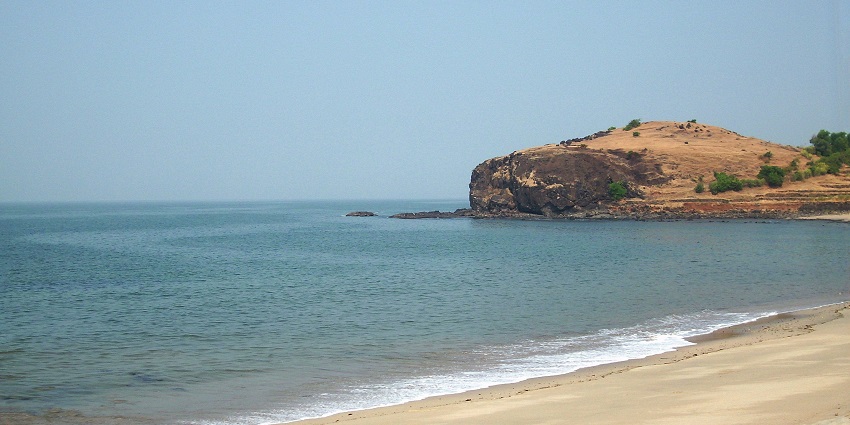
Picture this: soft waves gently kissing a stretch of pristine sand, coconut groves swaying in the salty breeze, and fishing boats dotting the horizon as the sun paints the sky in shades of orange and pink. Welcome to Diveagar, a hidden gem tucked along Maharashtra’s stunning Konkan coastline. Unlike the crowded beaches you’re probably tired of, this peaceful paradise offers the perfect blend of relaxation and adventure. Whether you’re hunting for the best things to do in Diveagar or simply craving a break from city chaos, this coastal village delivers an authentic experience that’ll refresh your soul. Just a comfortable drive from Mumbai or Pune, Diveagar has become my go-to spot whenever I need to hit the reset button. What makes it special? It’s the rare combination of untouched natural beauty, rich cultural heritage, thrilling water sports, and some of the most mouthwatering seafood you’ll ever taste. This guide covers everything you need to plan the perfect weekend escape—from the safest routes to hidden spots only locals know about, plus practical tips on where to stay, what to eat, and how to make every moment count. Quick Information: Diveagar at a Glance Category Details Distance from Mumbai Approx. 170 km (4-5 hours by road) Distance from Pune Approx. 180 km (4-5 hours by road) Best Time to Visit October to March (pleasant weather); June-Sept (monsoon beauty) Ideal Duration 1-2 nights (2 days recommended) Main Attractions Diveagar Beach, Suvarna Ganesh Temple, Water Sports, Phansad Wildlife Sanctuary Average Budget (2 Days) ₹3,000-₹8,000 per person (depending on accommodation) Food Specialty Fresh seafood, fish curry-rice, solkadhi, bombil fry Nearby Attractions Shrivardhan Beach (8 km), Harihareshwar (25 km), Murud-Janjira Fort (50 km) 1. Reach & Best Time: Planning Your Things to Do in Diveagar How to Reach Diveagar from Mumbai and Pune Getting to Diveagar is half the adventure! The journey takes you through scenic countryside, traditional villages, and lush greenery that’ll have you reaching for your camera. From Pune (Recommended Route): Here’s the route I always take—it’s smoother and safer. From Pune, take the Expressway to Khalapur and go via Pali and Mangaon to Diveagar. This route keeps you on better-maintained roads and cuts down on those nerve-wracking narrow patches. The entire journey takes about 4-5 hours, depending on traffic and how many chai stops you make (and trust me, you’ll want to stop at least once!). From Mumbai: Head out via the Mumbai-Goa Highway (NH66), take the turn at Mangaon, and follow the signs to Diveagar. The route passes through Mahad and offers gorgeous views of the Western Ghats. Early morning starts work best to avoid city traffic—aim to leave by 6 AM and you’ll reach in time for a late breakfast by the beach. By Train + Taxi: The nearest railway station is Mangaon (about 40 km away). From there, you can hire a taxi or catch a local bus. Check train schedules on Indian Railways for the most current timings. Pro Tip: Keep your fuel tank topped up—petrol pumps become sparse once you’re deep into the Konkan region. Best Time to Visit Diveagar October to March is absolutely perfect for beach lovers. The weather stays pleasant (20-30°C), the sea is calm enough for water sports, and you can spend hours on the sand without getting scorched. I remember watching the most stunning sunset in January—the sky turned into this incredible canvas of purples and golds. Monsoon (June-September) transforms Diveagar into a lush green paradise. The countryside becomes absolutely breathtaking, but here’s the catch—the sea gets rough and most water activities shut down. If you’re someone who loves rain-soaked landscapes and doesn’t mind skipping the beach swim, monsoon has its own magical charm. Summer (April-May) can get pretty hot and humid, though it’s still manageable if you stick to early mornings and evenings. How Long Should You Stay? Two days are enough to cover all the major attractions leisurely if you start early in the morning. A single night works if you’re really pressed for time, but you’ll be rushing. My best advice is to take it slow—this place deserves more than a quick checklist visit. Unique Tip: Set your alarm for an early morning walk on Diveagar Beach before 7 AM. The beach is practically empty, the air is crisp, and you might spot fishermen hauling in their fresh catch. It’s a completely different vibe from the afternoon crowd scene. 2. Diveagar Beach: Sun, Sand & Sea-side Strolls The star attraction! Diveagar Beach stretches for about 3 kilometers and offers a unique blackish-white sand mix (thanks to the minerals from the Sahyadri ranges). Unlike some Konkan beaches with steep drops, Diveagar has a gentle slope that makes it incredibly safe for families with kids. The waves here are relatively calm compared to other beaches along the coast. Sunrise & Sunset Magic The beach faces west, making it a sunset lover’s dream. But here’s a secret most tourists miss—head to the northern end near the coconut grove around 6:30 AM. You’ll find a quieter spot where local fishermen prepare their boats, and the morning light creates this golden glow across the sand. It’s perfect for photography or just soaking in the peaceful vibes. Sunset happens around 6-6:30 PM (depending on the season), and the entire beach comes alive. Families spread out picnic mats, couples take long walks, and food vendors start setting up their stalls. The sight of the sun dipping into the Arabian Sea never gets old. What Makes This Beach Special The fishing village vibe is authentic—no over-commercialization or pushy vendors. You’ll see traditional fishing boats (called nausenas) lined up on the shore, and if you’re lucky, you might witness the fishermen coming back with their morning catch. The coconut groves provide natural shade, perfect for when the afternoon sun gets intense. What to Pack Insider Tip: Walk towards the fishing village on the southern end of the beach. You’ll find a small path leading through coconut groves that opens up to a quieter beach section. This is where

Things to Do in Diveagar – The Complete Guide for Your Weekend Escape Read More »

Why is Amboli Ghat Famous? A Deep Dive into Maharashtra’s Hidden Hill-Station

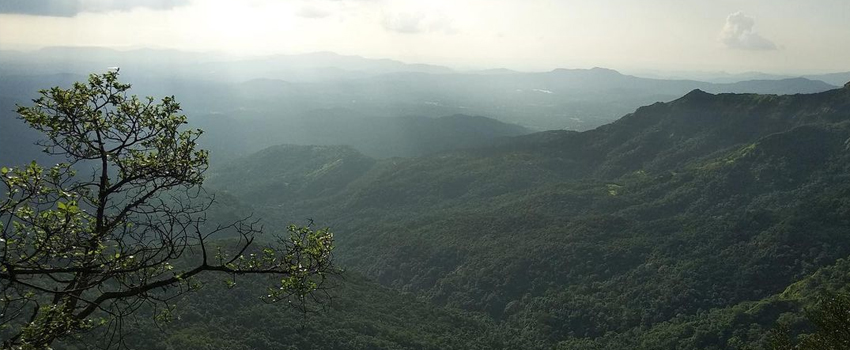
Picture this: You’re driving through thick mist, waterfalls cascading right next to your car, and suddenly the clouds part to reveal a breathtaking valley stretching endlessly below. Welcome to Amboli Ghat, Maharashtra’s best-kept secret that’s been quietly stealing hearts for decades. Why is Amboli Ghat famous? Simply put, it’s the ‘Cherrapunji of Maharashtra’ – a place where nature puts on its most spectacular show during the monsoons, where biodiversity thrives like nowhere else in the state, and where misty mountain magic meets the dramatic drop to the Konkan coast. This Amboli hidden gem Maharashtra offers isn’t just another hill station; it’s an experience that lingers long after you’ve left. Tucked away in the Western Ghats Maharashtra, Amboli transforms into a wonderland between June and September. The moment you arrive, you’ll understand why travelers, nature photographers, and adventure seekers can’t stop talking about this place. Whether you’re chasing waterfalls, spotting rare frogs, or simply soaking in the cool mountain air while munching on piping hot bhajis, Amboli delivers experiences that big-name tourist spots simply can’t match. Quick Information Table: Amboli Ghat at a Glance Feature Details Location Sindhudurg District, Maharashtra Altitude Approximately 690 meters (2,264 feet) Famous For Heavy monsoon rainfall, waterfalls, biodiversity hotspot Nickname “Cherrapunji of Maharashtra” Annual Rainfall Over 7,500 mm Source: India Meteorological Department Best Season June to September (Monsoon) Nearest Airport Goa International Airport (95 km), Belgaum Airport (90 km) Nearest Railway Station Sawantwadi Road (32 km) Distance from Mumbai Approximately 525 km (10-11 hours drive) Key Attractions Amboli Waterfall, Kavlesad Point, Nangarta Falls, Hiranyakeshi Temple Wildlife Significance Western Ghats UNESCO World Heritage Site, biodiversity hotspot 1. Location & Landscape – Why Amboli Ghat Stands Out Amboli Ghat sits perched at roughly 690 meters above sea level in Maharashtra’s Sindhudurg district, marking the final Amboli hill station before the land dramatically plunges toward the Konkan coast. This isn’t your typical plateau hill station – Amboli is positioned right on the edge, where the mighty Sahyadri range rain forest meets the Arabian Sea’s coastal plains. What makes this location truly special? It’s all about the geography. The Western Ghats Maharashtra section here acts like a giant natural wall, forcing moisture-laden monsoon winds from the Arabian Sea to rise rapidly. As these winds climb the steep slopes, they cool down and release their moisture – creating the perfect recipe for those legendary rains and the lush green carpet that covers every inch of the landscape Source: Western Ghats Ecology Studies, biodiversityindia.org. Stand at any viewpoint in Amboli, and you’ll witness nature’s drama unfold. On one side, dense tropical forests climb the mountain slopes, their canopy so thick that sunlight barely touches the forest floor. On the other, the land drops away sharply into the Konkan belt, revealing distant villages, rice paddies, and on clear days, even glimpses of the Arabian Sea shimmering in the distance. The “ghat” section – meaning mountain pass – winds through this terrain with hairpin bends that challenge even experienced drivers. But these twisting roads are part of Amboli’s charm. Each turn reveals something new: a hidden waterfall, a viewpoint shrouded in mist, or suddenly, an explosion of color from wildflowers clinging to rocky outcrops. The landscape here doesn’t just look pretty; it tells the story of millions of years of geological evolution, where ancient volcanic activity, erosion, and the relentless monsoons have sculpted a masterpiece. 2. Heavy Rainfall & Monsoon Magic – A Major Reason Why Amboli Ghat is Famous Let’s talk about rain – and not just any rain. Amboli Ghat records an average annual rainfall of over 7,500 mm, earning its well-deserved nickname as the “Cherrapunji of Maharashtra” Source: Indian Institute of Tropical Meteorology. Between June and September, the skies open up with such intensity that the entire region transforms into a living, breathing water world. Imagine waking up to the sound of rain drumming on your roof, stepping outside to see waterfalls that weren’t there yesterday now thundering down every cliff face, and watching mist roll through valleys like waves in slow motion. This is Monsoon waterfall Amboli season – when the hill station becomes absolutely magical. The already green landscape turns several shades deeper, streams swell into roaring rivers, and the air fills with the fresh, earthy smell of petrichor mixed with wild flowers. But here’s the thing about Amboli’s monsoons: they’re not gentle. The rain comes down with purpose, creating conditions that are both spectacular and demanding respect. Roads can become slippery, visibility drops to just a few meters, and those charming streams can turn into powerful torrents within hours. Your 3-Point Monsoon Safety Guide for Amboli: The monsoon here isn’t just weather; it’s an event. Local residents celebrate the first rains with festivals, and you’ll find families gathering around steaming cups of chai, sharing stories while the world outside turns silver with rain. This is when Amboli shows its true colors – quite literally, as the waterfalls create rainbow mists in the afternoon sun between showers. 3. Waterfalls & Viewpoints – The Visual Wonders That Make Amboli Ghat Famous Let’s get to the main attractions that keep cameras clicking and jaws dropping throughout the monsoon season. The Amboli water fall Maharashtra scene isn’t just about one or two cascades – it’s about dozens of waterfalls appearing across the landscape like nature’s own art installation. Amboli Waterfall stands as the star performer. Located just 6 kilometers from the main town, this multi-tiered cascade drops approximately 30 meters in a series of steps, creating natural pools where locals and visitors (carefully!) enjoy the cool mountain water. During peak monsoon, the falls swell dramatically, and the spray creates a constant mist that rainbows dance through when sunlight breaks through the clouds. The surrounding area has been developed with viewing platforms and steps, making it accessible while maintaining its natural beauty. Pro tip: Visit early morning around 7 AM to catch the falls in golden morning light and avoid the crowds. Nangarta Falls, about 4 kilometers away, offers a completely different

Why is Amboli Ghat Famous? A Deep Dive into Maharashtra’s Hidden Hill-Station Read More »

Discover the 12 Must-See Places to Visit in Mount Abu – Hidden Gems, Local Tips & Best Time to Go

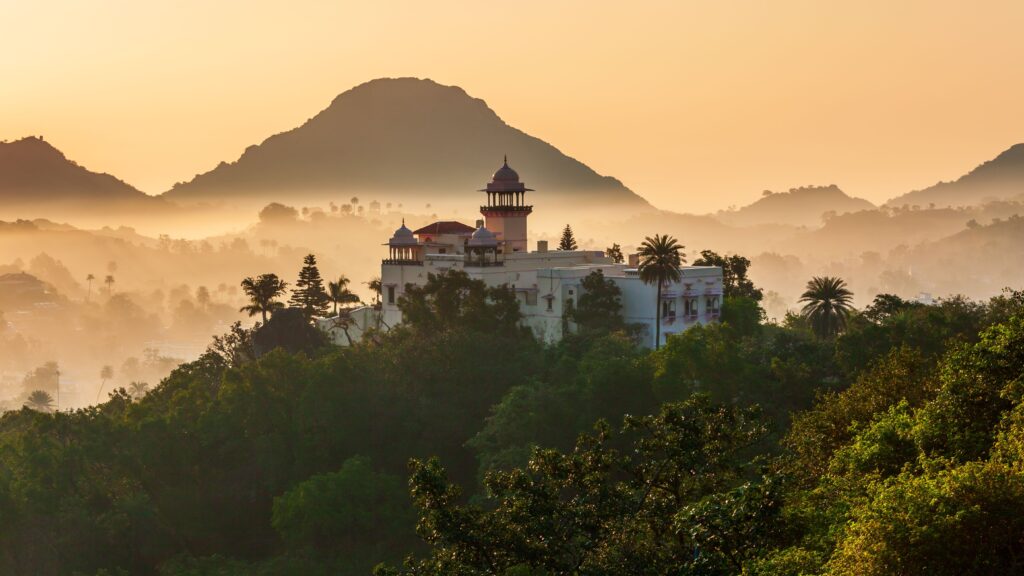
Picture this: you’re driving through the dry, golden landscapes of Rajasthan when suddenly, the road starts climbing. The air gets cooler. Green trees replace the desert scrub. Welcome to Mount Abu – Rajasthan’s best-kept secret and the state’s only hill station. While most people think of Rajasthan as a land of forts and deserts, Mount Abu flips that script completely. Sitting pretty in the Aravalli hills at over 4,000 feet, this charming town offers something totally different – cool weather, misty mornings, serene lakes, and some of the most stunning marble temples you’ll ever see. Whether you’re planning a Mount Abu family friendly trip, looking for the perfect Mount Abu honeymoon spot, or just need a break from the summer heat, this complete Mount Abu travel guide has you covered. I’ll walk you through the top Mount Abu tourist attractions, share some hidden spots that even many locals don’t know about, and give you practical tips to make your trip absolutely perfect. Ready to explore? Let’s dive into the best places to visit in Mount Abu! Quick Travel Information Detail Information Location Sirohi District, Rajasthan, India Altitude 1,220 meters (4,003 feet) Nearest Railway Station Abu Road (28 km away) Nearest Airport Udaipur (185 km) Best Time to Visit October to March Ideal Trip Duration 2-3 Days Famous For Only hill station in Rajasthan, Dilwara Temples, Nakki Lake Climate Pleasant year-round, cooler than plains How to Get There & Best Time to Visit Getting to Mount Abu Reaching this beautiful hill station Rajasthan is easier than you might think. Here’s how: By Train: The closest railway station is Abu Road, about 28 kilometers away. Trains connect Abu Road to major cities like Delhi, Mumbai, Ahmedabad, and Jaipur. From Abu Road, you can hire a taxi or catch a state transport bus that winds up the scenic mountain road. The drive takes about 45 minutes and offers gorgeous views. By Air: The nearest airport is Maharana Pratap Airport in Udaipur, roughly 185 kilometers away. You can also fly into Ahmedabad (around 220 km). From either airport, rent a car or book a taxi to reach Mount Abu. By Road: If you’re road-tripping, Mount Abu is well-connected by state highways. The drive from Udaipur takes about 3-4 hours, while Ahmedabad is around 4-5 hours away. The roads are generally good, and the journey itself is part of the adventure. Mount Abu Best Time to Visit Timing your visit right can make a huge difference. Here’s what each season brings: Winter (November to February): This is peak season and for good reason. Temperatures hover between 11°C to 28°C – perfect weather for Mount Abu sightseeing. The days are sunny and comfortable, while evenings get pleasantly cool. You might need a light jacket after sunset. This is the best time for families and honeymooners. Summer (March to June): While the plains of Rajasthan are scorching, Mount Abu stays relatively cool with temperatures between 23°C to 33°C. This makes it a popular summer escape for people from nearby cities. Expect more crowds, especially during April and May when schools are on break. Monsoon (July to September): The rains transform Mount Abu into a lush green paradise. Waterfalls come alive, and the entire landscape looks freshly washed. However, some outdoor activities might be limited. If you love the rain and don’t mind occasional drizzles, this season offers a different kind of beauty. Post-Monsoon (October): This is actually my favorite time. The monsoon has just ended, everything is still green, but the weather has cleared up. You get the best of both worlds – beautiful scenery and comfortable weather, with fewer crowds than winter. Local Tip: Want to beat the crowds at popular spots like Nakki Lake or Dilwara Temples? Head there early morning, around sunrise. You’ll get amazing photos with soft light and have these beautiful places almost to yourself. Top Attractions: The Essentials Nakki Lake Mount Abu If Mount Abu has a heart, it’s Nakki Lake. This stunning artificial lake sits right in the middle of town and is probably the most famous of all Mount Abu tourist attractions. Legend says the lake was dug out by gods using just their nails (nakh means nail in Hindi) – which explains the name. Whether you believe the story or not, the lake is genuinely beautiful. Surrounded by rocky hills and green trees, it’s the perfect spot to relax and watch the world go by. You can rent a paddleboat or rowboat and spend an hour on the calm waters. Families love this activity, and it’s especially romantic during sunset. The walking path around the lake is about 1 kilometer long and makes for a lovely evening stroll. Street vendors sell fresh corn, ice cream, and local snacks along the way. Don’t miss Toad Rock near the lake – it’s a natural rock formation that looks exactly like a giant toad about to jump into the water. It’s become a famous photo spot, and the view of the lake from up there is worth the short climb. Timings: Open all day, but boating is available from 9 AM to 6 PMEntry: Free to walk around; boating costs around ₹150-300 per boat Dilwara Jain Temples Mount Abu Prepare to have your mind blown. The Dilwara Jain Temples are not just religious sites – they’re masterpieces of marble art that’ll leave you speechless. Built between the 11th and 13th centuries, these five temples feature intricate marble carvings that are so detailed, so precise, you’ll wonder how human hands created them. The Vimal Vasahi and Luna Vasahi temples are particularly stunning. Every pillar, every ceiling, every doorway is carved with flowers, dancers, elephants, and geometric patterns so fine that light passes through the marble. The best time to visit is mid-morning when natural light streams through the structures and makes the white marble glow. Photography inside is not allowed, which actually helps you stay present and really absorb the beauty. This is one of the best places in Mount Abu

Discover the 12 Must-See Places to Visit in Mount Abu – Hidden Gems, Local Tips & Best Time to Go Read More »

Is Rann Utsav Worth Visiting? A Complete Guide to the Festival

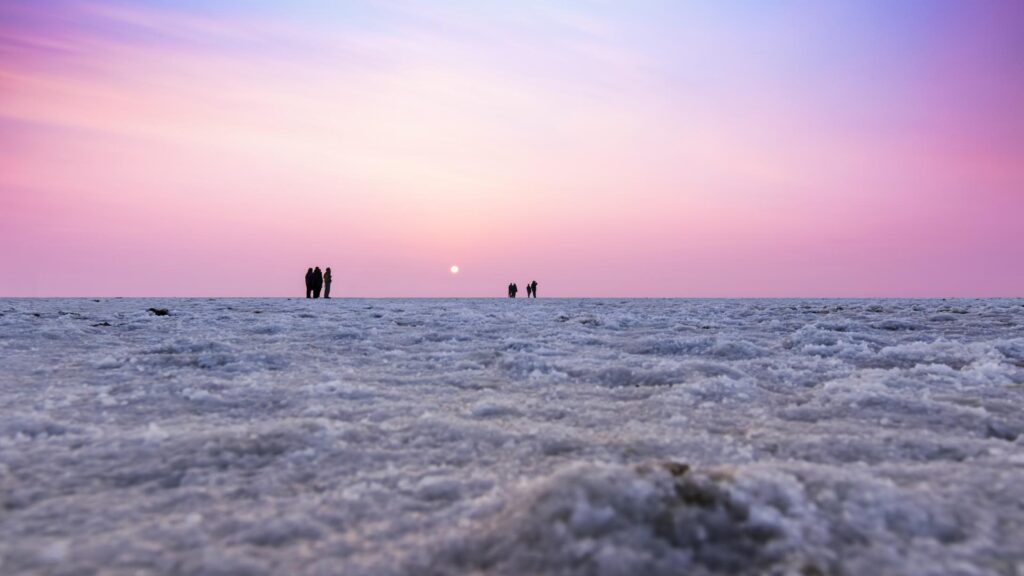
Introduction If you’ve ever wondered “is the Rann Utsav worth visiting?”, you’re not alone. Imagine stepping out into a vast white salt desert under a full moon, staying in a tent city in western India, and immersing yourself in vibrant folk culture. Sounds dreamy, right? That’s exactly what the festival promises — but is it really worth your time and money?With over 20 years of travel-writing and SEO strategy under my belt, I’ll walk you through everything: what the festival is, how to get there, what you’ll spend, what you’ll get — and ultimately, whether you should go. By the end of this guide you’ll be able to answer: “Should I go to Rann Utsav?” confidently — and plan the trip smartly if you do. Topic Details What it is A winter festival in Gujarat celebrating the culture of the region and the unique salt-desert landscape of the Great Rann of Kutch near Dhordo village. Dates for 2025-26 season From 23rd October 2025 to 4th March 2026 (official Tent City season). Location Dhordo village in Kutch district, Gujarat — approx. 80-90 km from Bhuj. Major attractions White salt desert under moonlight, luxury tent-city stay, folk music & dance, handicraft market, adventure activities. Typical package starting price From around ₹5,900 for 1 night/2 days (budget non-AC tent) as per official site. Best reason to go Unique “stay in a salt desert” experience; cultural immersion; strong photo-op value. Possible trade-offs Remote travel logistics; cost higher for prime nights/full moon; weather extremes (cold nights, bright glare). Recommended stay duration 2-3 days / 1-2 nights gives decent experience; longer if you want to explore more of Kutch. Full moon nights Special dates designated for full-moon experience — e.g., early Nov, early Dec, Jan etc. Useful tip Book accommodation early for high-season; pack both warm clothes (nights) and sun-protection (day); stay alert for travel-and-logistics from Bhuj. 1. What is Rann Utsav & Where is it Held? The Rann Utsav is a winter festival held annually in the village of Dhordo, in the Kutch district of Gujarat, India. It takes place on the edge of the vast salty expanse known as the Great Rann of Kutch. According to the official site, the 2025-26 season runs from 23 October 2025 to 4 March 2026.Gujarat Tourism states the festival is supported by the state government and runs roughly between early December and late February. Gujarat Tourism Why here? The salt desert is unique — miles of white salt crusts stretching to the horizon. The event began as a short celebration and has grown into a multi-month event drawing visitors from all over. Unique Value (added) 2. The Landscape: White Salt Desert Experience One of the key reasons people ask “is Rann Utsav worth it?” is because of the landscape — you won’t find anything quite like it. The Great Rann of Kutch covers thousands of square kilometres of salt marsh in the Thar Desert region. At the festival, as daylight fades and the salt flat reflects the sky, you get dramatic scenes. During a full moon, the white salt glows. What to Expect Added Value 3. What You Get at the Festival (and Tent City) Let’s talk about what you’ll actually see at Rann Utsav — and whether the cost matches the offering. Accommodation – Tent City The festival sets up a “Tent City” near Dhordo each year. According to the official site: over 300 luxury tents are built by the tourism board.Packages vary by nights, tent type, amenities. For example: 1 night/2 days, 2 nights/3 days, 3 nights/4 days. Festival Activities & Culture Added Value 4. Cost vs Value: Is It Worth It? Now for the big question: is the Rann Utsav worth visiting for your budget and interests? Let’s break down costs and worth. Typical Costs From official listing: For 2025-26: 1 night/2 days packages start from around ₹5,900 (budget rates) for non-AC tent. Deluxe/AC/ Premium tents cost more.Activity add-ons (rock climbing, zipline) have extra cost: e.g., see listed rates. What You Get (Value) Pros: Cons / Trade-Offs: Decision Matrix: Who Should Go / Who Might Skip Worth it if you are: Maybe skip if you are: My Verdict Yes — Rann Utsav is worth visiting if you plan it right and know what you’re getting into. For the “right kind” of traveller (see above), the value is high. For budget-travellers or those expecting city-hotel luxury, you might feel the trade-offs more. 5. Travel Logistics & Planning Tips Smart planning will make your trip smoother and help you get maximum value. How to Reach Best Time to Visit What to Pack & Other Tips 6. Photo-Friendly & Unique Experiences If you’re a photography fan or simply want memorable moments, this section is for you. Key Moments Sample Itinerary (2-3 Days) Day 1: Arrive Bhuj → Reach Dhordo → Evening cultural show in Tent City.Day 2: Sunrise at the salt desert → Adventure activity (ATV or paramotor) → Visit a craft village in the afternoon → Stay for full-moon night.Day 3: Relaxed morning, souvenir shopping → Departure or stay another night for side-trip to Mandvi Beach or Kala Dungar. Hidden Gems / Added Value Stops 7. Final Verdict: Is Rann Utsav Worth Visiting? Let’s wrap up with a clear answer. Yes, the Rann Utsav is worth visiting — but with caveats. Why I Say Yes And When You Might Reconsider My Recommendation If you have 2-3 days free during winter (Nov-Feb), and you’re up for adventure and a unique experience — go for it.Book early, pick a “good” night (even if not full moon), manage expectations (it’s a tent city, not five-star resort) — and you’ll leave with memories rather than “what ifs”. 8. FAQs Q: Is Rann Utsav safe for families?A: Yes — the event is family-friendly. There are gentler activities (camel rides, craft sessions) suitable for kids. Just ensure you book a comfortable tent stay and pack warm clothes for the night. Q: Can I visit the White Desert outside the festival?A: Yes — you can. But

Is Rann Utsav Worth Visiting? A Complete Guide to the Festival Read More »

Which Time Is Best to Visit Lambasingi? Your Ultimate Guide to Lambasingi Snowfall

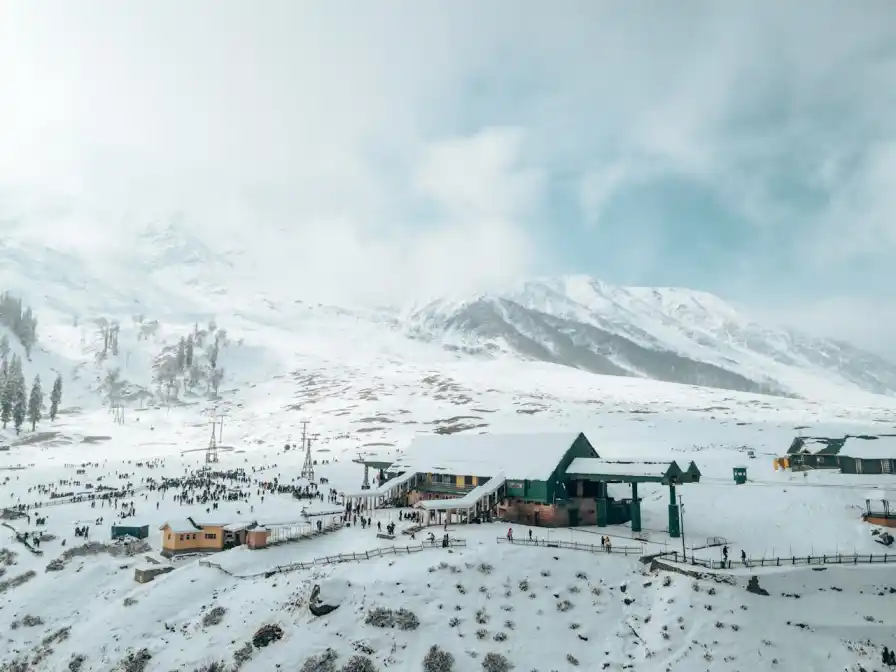
Picture this: You’re standing in South India, wrapped in layers of warm clothing, watching your breath turn into clouds of mist as the sun rises over frost-covered fields. Sounds impossible? Welcome to Lambasingi, affectionately called the “Kashmir of the South” – a hidden gem in Andhra Pradesh where temperatures can drop so low that you might just witness something magical. If you’ve been dreaming of experiencing a snow in South India or at least some bone-chilling cold without flying to the Himalayas, you’re in the right place. This guide will walk you through everything you need to know: which time is best to visit Lambasingi, what makes this place so uniquely cold, how to plan your adventure, and the insider secrets that’ll make your trip unforgettable. Quick Answer: The best time to visit Lambasingi for potential snowfall is from mid-December to January, when temperatures can dip close to zero degrees Celsius, and you have the highest chance of witnessing frost or rare snowfall. The absolute sweet spot? The last week of December to the first week of January. Understanding Lambasingi’s Climate & Snowfall Phenomenon Let’s get real about what makes Lambasingi so special. This tiny village sits at an elevation of about 1,000 meters (3,280 feet) in the Eastern Ghats of Andhra Pradesh. While that might not sound super high compared to Himalayan peaks, it’s the perfect altitude combined with unique geographical factors that create this cold places in Andhra Pradesh wonder. Why Is Lambasingi So Cold? The village is surrounded by dense forests and coffee plantations that trap moisture. When the winter winds blow through the valleys, they create a microclimate that’s significantly colder than surrounding areas. The high humidity combined with dropping temperatures creates the perfect conditions for frost formation – and on rare, magical occasions, actual snowfall. The Truth About Lambasingi Snowfall Here’s what you need to know: actual snowfall in Lambasingi is extremely rare. According to India Meteorological Department records, the last documented snowfall occurred in 2016, and before that, there were only a handful of instances in the past few decades. What you’re much more likely to experience is: Think of it as nature’s way of giving you a winter wonderland experience without the guarantee of actual snow. The frost-covered fields look absolutely stunning and create an atmosphere that feels worlds away from typical South Indian weather. Monthly Temperature Guide for Lambasingi Month Minimum Temp (°C) Maximum Temp (°C) Humidity Frost Probability November 8-10 20-22 75% Low December 2-5 18-20 80% High January 0-4 17-19 85% Very High February 5-8 20-22 70% Medium Data compiled from local weather stations and tourism reports Which Time Is Best to Visit Lambasingi? Month-by-Month Breakdown Let’s break down the Lambasingi winter climate so you can pick the perfect time for your visit. November: The Warm-Up Month Temperature Range: 8°C to 22°C November is when the cold places in Andhra Pradesh start living up to their reputation. The weather begins getting chilly, especially after sunset. This is the shoulder season, which means: Pros: Cons: Insider Tip: If you’re okay with cool weather (not freezing) and want to avoid crowds, early November is fantastic for exploring the region. December: Winter Arrives in Full Force Temperature Range: 2°C to 20°C This is where things get exciting! December is when Lambasingi transforms into the cold paradise everyone talks about. The Lambasingi December January temperature drops significantly, and you’ll start seeing frost regularly. First Half of December (Dec 1-15): Second Half of December (Dec 16-31): Pros: Cons: January: The Coldest Month Temperature Range: 0°C to 19°C January is the coldest month in Lambasingi, and if you’re chasing that rare snowfall in southern India dream, this is your best bet. Early January (first two weeks) is particularly special. Early January (Jan 1-15): Late January (Jan 16-31): Pros: Cons: February: The Transition Month Temperature Range: 5°C to 22°C By February, winter starts loosening its grip on Lambasingi. While still cooler than most South Indian destinations, the extreme cold begins to fade. Pros: Cons: The Absolute Best Time: My Insider Recommendation After talking to locals, analyzing weather patterns, and considering traveler experiences, here’s my recommendation: Plan your visit between December 25th and January 10th. This window gives you: Pro Tip: Check with local homestay owners on social media about current weather conditions 3-4 days before your trip. They’ll give you the most accurate, real-time updates about frost and cold conditions. Planning Your Trip: How to Reach Lambasingi Getting to this Andhra Pradesh hill station requires some planning, but the journey is part of the adventure! From Visakhapatnam (Nearest Major City) Distance: Approximately 100 km Travel Time: 3-3.5 hours Route: Visakhapatnam → Anakapalle → Lambasingi This is the most popular route. Visakhapatnam has excellent connectivity by air, rail, and road. By Air: Visakhapatnam Airport is the nearest airport (about 90 km away). You can hire a taxi from the airport, which costs around ₹2,500-3,500 for the trip. By Train: Visakhapatnam Railway Station is well-connected to major cities. From the station, hire a cab or take a bus to Lambasingi. By Road: The drive from Vizag is scenic, passing through tribal villages and dense forests. The roads are generally good, but expect some winding ghats as you climb higher. From Bangalore Distance: Approximately 900 km Travel Time: 15-16 hours by road, or fly to Vizag (1.5 hours) + 3.5 hours drive Best Option: Fly to Visakhapatnam and then drive to Lambasingi. Direct road trips are long but doable if you enjoy road travel. From Chennai Distance: Approximately 800 km Travel Time: 14-15 hours by road, or fly to Vizag Best Option: Similar to Bangalore – fly to Visakhapatnam for convenience, then take a road trip to Lambasingi. From Hyderabad Distance: Approximately 650 km Travel Time: 12-13 hours by road Route: Hyderabad → Vijayawada → Rajahmundry → Anakapalle → Lambasingi This is a popular weekend getaway option for Hyderabad residents. Local Transport & Road Conditions Important: There are no direct buses to Lambasingi village. The nearest bus stop is

Which Time Is Best to Visit Lambasingi? Your Ultimate Guide to Lambasingi Snowfall Read More »

Top 15 Things to Do in Chopta: Ultimate Trekking, Temples & Hidden Gems Guide

📜 Introduction Picture this: You’re standing on a dewdrop-covered meadow at 5 AM, wrapped in layers against the mountain chill. The sky transforms from inky black to soft purple, then explodes into shades of orange and gold. Snow-capped Himalayan giants—Nanda Devi, Trishul, Chaukhamba—light up like they’re on fire. Your breath comes out in little clouds, and for that magical moment, you forget about deadlines, traffic, and phone notifications. This is Chopta at sunrise, and trust me, it’s the kind of experience that rewires your soul. Chopta isn’t your typical tourist-packed hill station. Tucked away in Uttarakhand’s Garhwal region at about 2,680 meters, this little slice of heaven has earned the nickname “Mini Switzerland of Uttarakhand”—and honestly? It delivers on that promise. Rolling alpine meadows, dense deodar and rhododendron forests, and crystal-clear mountain air make Chopta the perfect basecamp for anyone craving authentic Himalayan magic without the crowds. Whether you’re a solo backpacker hunting for that perfect Instagram shot, a couple looking for a romantic mountain escape, or a family wanting to introduce your kids to the mountains, Chopta checks all the boxes. This guide breaks down everything you need—from epic things to do in Chopta to practical tips that’ll make your trip smooth and memorable. At-a-Glance: Quick Chopta Facts Detail Information Location Rudraprayag District, Uttarakhand Altitude 2,680 meters (8,790 feet) Best Time to Visit April-June & September-November Nearest Airport Jolly Grant Airport, Dehradun (221 km) Nearest Railway Station Rishikesh (202 km) Famous For Tungnath Temple, Chandrashila Trek, Deoria Tal Ideal Duration 3-5 days Network Connectivity Limited (BSNL works best) 🏔️ How to Reach Chopta (Logistics & Access) Getting to Chopta is part of the adventure! While it’s tucked away in the mountains, reaching this beautiful destination is totally doable with proper planning. By Air ✈️ Jolly Grant Airport in Dehradun is your nearest air connection, sitting about 221 kilometers from Chopta. Major cities like Delhi, Mumbai, and Bangalore have regular flights here. Once you land, you’ll need to arrange road transport—either by hiring a private taxi (costs around ₹4,500-6,000) or catching a shared cab to Rishikesh first, then continuing to Chopta. By Rail 🚂 Rishikesh Railway Station is the closest railhead, roughly 202 kilometers away. Trains from Delhi, Haridwar, and other major cities connect here regularly. From Rishikesh, buses and shared taxis head toward Ukhimath and Chopta. The journey takes about 7-8 hours with spectacular mountain views along the way. By Road 🚗 This is where the real fun begins! The road journey to Chopta is absolutely stunning: Road Conditions: The roads are generally well-maintained until Ukhimath. The final 30-kilometer stretch from Ukhimath to Chopta gets narrower and bumpier—especially thrilling during monsoons! Winter (December-February) brings snow, which can occasionally block roads. Always check road conditions before traveling during these months. Local Transport: State-run GMOU buses operate from Rishikesh to Ukhimath. From Ukhimath, shared jeeps and taxis run to Chopta (₹300-500 per person). Private taxis offer more flexibility but cost more (₹2,500-3,500 from Ukhimath to Chopta). 🗺️ Ideal Stay Durations & Sample Itineraries How long should you stay in Chopta? Honestly, every extra day feels like a gift! Here are three tried-and-tested itineraries: 2-Day Express Itinerary (Weekend Warriors) Day 1: Day 2: This works if you’re short on time, but you’ll definitely want to come back! 3-4 Day Relaxed Plan (Recommended) Day 1: Day 2: Day 3: Day 4: 5+ Day Deep-Explore Version (For True Mountain Lovers) This lets you really soak in the Himalayan vibes without rushing: Days 1-2: Follow the 3-day plan Day 3: Trek to Madhyamaheshwar Temple (requires a full day) Day 4: Visit Bisurital Lake and Dugalbitta Day 5: Wildlife spotting at Kanchula Korak Sanctuary, visit Ukhimath Day 6+: Off-trail exploration, village interactions, or simply relaxing in nature ✨ 15 Best Things to Do in Chopta + Hidden Gems Now for the main event! Here’s your ultimate list of things to do in Chopta that’ll make your trip absolutely unforgettable. 1. 🛕 Trek to Tungnath Temple What to Expect: Tungnath holds the record as the world’s highest Shiva temple at 3,680 meters. The 3.5-kilometer trek from Chopta takes you through thick rhododendron forests and opens up to stunning alpine meadows. The ancient stone temple, believed to be over 1,000 years old, sits majestically against snow-capped peaks. Best Time: April to November (avoid heavy winter unless you’re experienced with snow trekking) Difficulty Level: Easy to Moderate Pro Tips: 2. ⛰️ Summit Chandrashila Peak What to Expect: Just 1.5 kilometers beyond Tungnath, Chandrashila Peak (4,000 meters) offers 360-degree views that’ll make your jaw drop. On clear days, you can spot Nanda Devi, Trishul, Kedar Peak, Bandarpunch, and Chaukhamba ranges. Legend says Lord Rama meditated here after defeating Ravana. Best Time: March to June, September to November Difficulty Level: Moderate Pro Tips: 3. 🌊 Visit Deoria Tal Lake What to Expect: About 15 kilometers from Chopta, Deoria Tal is a pristine emerald lake that perfectly mirrors the Chaukhamba peaks. The 2-kilometer trek from Sari Village takes you through dense oak and rhododendron forests. The lake’s glassy surface creates picture-perfect reflections—photography gold! Best Time: Year-round, but October-November offers the clearest mountain reflections Difficulty Level: Easy Pro Tips: Reference: Check Uttarakhand Tourism’s official website for the latest camping permits and regulations. 4. 🌾 Wander Through Rohini Bugyal Meadows What to Expect: Bugyal means “high-altitude meadow” in the local language, and Rohini Bugyal lives up to this beautifully. Endless rolling grasslands dotted with wildflowers in spring and summer create landscapes straight out of a painting. Shepherds graze their cattle here during warmer months. Best Time: May to October Difficulty Level: Easy Pro Tips: 5. 🦌 Wildlife Spotting at Kanchula Korak Musk Deer Sanctuary What to Expect: This sanctuary protects the endangered Himalayan musk deer along with other wildlife like leopards, bears, and numerous bird species. While spotting animals requires patience and luck, the forest trails themselves are gorgeous—filled with oak, pine, and rhododendron trees. Best Time: March to June (early morning or late evening for best wildlife sightings) Difficulty Level: Easy to

Top 15 Things to Do in Chopta: Ultimate Trekking, Temples & Hidden Gems Guide Read More »

Discover Mumbai Like a Local: 25+ Best Things to Do, Hidden Gems & Insider Tips

Discover Mumbai Like a Local: 25+ Best Things to Do, Hidden Gems & Insider Tips Picture this: You’re standing at the edge of the Arabian Sea, salty breeze in your hair, watching the sun paint the sky in shades of orange and pink. Behind you, the city hums with energy—honking taxis, vendors calling out, the aroma of spicy street food floating through the air. This is Mumbai, where every corner tells a story and every street offers an adventure. What is very famous in Mumbai? That’s the million-dollar question travelers ask before visiting India’s financial capital. Sure, you’ve heard about the Gateway of India and Marine Drive. But Mumbai is so much more than its postcard pictures. It’s a city where centuries-old temples stand beside gleaming skyscrapers, where millionaires and street vendors share the same sidewalks, and where you can eat a meal fit for royalty for less than the price of a coffee back home. This guide isn’t your typical tourist checklist. We’re diving deep into the real Mumbai—the hidden lanes, the secret viewpoints, the local hangouts where Mumbaikars actually spend their time. Whether you’re traveling on a shoestring budget or ready to splurge, whether you have 24 hours or a full week, this guide has got you covered. Best time to visit? October through February brings pleasant weather perfect for exploring. The monsoon months (June-September) transform the city into a green paradise, though you’ll need an umbrella. Summer (March-May) can be hot and humid, but that’s when you’ll find the best deals and fewer crowds. Quick Reference Guide Category Top Picks Best Time to Visit Budget Range Heritage Sites Gateway of India, CST, Elephanta Caves Early morning (7-9 AM) ₹20-₹600 Food Experiences Juhu Beach, Mohammad Ali Road Evening (6-10 PM) ₹50-₹2,000 Shopping Colaba Causeway, Linking Road Afternoon (2-8 PM) ₹100-₹5,000 Nature Escapes Sanjay Gandhi National Park, Marine Drive Morning/Sunset Free-₹200 Nightlife Bandra, Lower Parel 8 PM onwards ₹500-₹3,000 Cultural Activities Kala Ghoda, NCPA Varies by event ₹100-₹2,500 🏛️ Section 1: Historic & Heritage Must-Sees Gateway of India: Your Mumbai Story Begins Here The Gateway of India is more than just Mumbai’s most photographed monument—it’s where the city’s soul meets the sea. Built in 1924 to commemorate King George V’s visit, this majestic arch stands as a reminder of India’s colonial past and independent future. Insider tip: Skip the midday crowds and arrive at sunrise (around 6 AM). You’ll have the place almost to yourself, and the golden morning light makes for stunning photos. Watch the ferry boats bob in the harbor while local joggers pass by and street photographers set up their tripods. From here, catch a ferry to Elephanta Caves or simply grab a cutting chai (small tea) from a nearby vendor and soak in the atmosphere. The area around the Gateway is perfect for people-watching—you’ll see everyone from honeymooning couples to school groups to tourists feeding pigeons. Pro tip: The Taj Mahal Palace Hotel right next to the Gateway offers an incredible high tea experience if you’re looking to splurge. Even if you don’t stay here, walk through the lobby to admire its legendary architecture. Check out the official Maharashtra Tourism website for more details on Mumbai attractions. Chhatrapati Shivaji Maharaj Terminus (CSMT): A Train Station That’s a Masterpiece Most people rush through train stations. At CST, you’ll want to slow down. This UNESCO World Heritage Site is a mind-blowing fusion of Victorian Gothic Revival and traditional Indian architecture. The intricate stone carvings, stained glass windows, and turrets make it look more like a palace than a train station. Local scoop: Head to Platform 18 during late morning (10-11 AM) when the light streams through the stained glass, creating rainbow patterns on the floor. The platform is less crowded at this time, giving you space to appreciate the architectural details without getting swept up in the commuter rush. Over 3 million passengers pass through CST daily, making it one of the busiest railway stations in India. The building itself took 10 years to complete and features sculptures, gargoyles, and even a peacock motif—India’s national bird—carved into the stonework. Elephanta Caves: Ancient Wonders on an Island A short ferry ride from the Gateway of India takes you to Elephanta Island, home to rock-cut cave temples dating back to the 5th century. The main cave houses a stunning 20-foot tall sculpture of Trimurti—the three-faced Shiva that represents creation, preservation, and destruction. Practical tips: DIY or guided tour? If you love history, hiring a local guide (around ₹500) brings the ancient sculptures to life with stories and legends. If you prefer exploring at your own pace, download an audio guide app before you go (WiFi on the island is spotty). Don’t miss the smaller caves on the island—most tourists skip them, but they offer peaceful spots for meditation and photography. Learn more about visiting Elephanta Caves. Hidden Heritage Spots: Off the Tourist Trail Bassein Fort (Vasai): About an hour north of Mumbai lies this sprawling Portuguese fort from the 16th century. Covered in creeping vines and echoing with history, it’s a photographer’s dream. Perfect for a half-day trip if you want to escape the city chaos. Banganga Tank: Tucked away in Malabar Hill, this ancient water tank is believed to be over 1,000 years old. Surrounded by temples and heritage buildings, it feels like stepping back in time. Visit during the Banganga Festival (January) for classical music performances against this stunning backdrop. Old Fort Walls: Near CST, you can still find remnants of Bombay Fort, the British fortification that gave the Fort area its name. Walk along Horniman Circle Gardens to spot sections of the original walls peeking through modern buildings. 🎨 Section 2: Culture, Arts & Local Stories Mani Bhavan: Where Gandhi Lived and Dreamed Mani Bhavan isn’t just another museum—it’s where Mahatma Gandhi lived for 17 years and launched some of India’s most important independence movements. The preserved rooms show his simple lifestyle, and the museum houses rare photographs, letters, and personal belongings. What makes it

Discover Mumbai Like a Local: 25+ Best Things to Do, Hidden Gems & Insider Tips Read More »

The Ultimate Gokarna Beach Guide 2025: Discover 7 Hidden & Must-Visit Shores

Picture this: You’re standing on golden sand, the Arabian Sea stretching endlessly before you, and the best part? No crowds pushing past you for that perfect selfie spot. While everyone flocks to Goa’s packed shores, there’s a quieter coastal paradise just a few hours south that’s been flying under the radar—Gokarna. This small temple town in Karnataka has transformed into one of India’s most loved beach destinations, especially for travelers who want that perfect mix of spirituality, adventure, and relaxation. Unlike its famous neighbor, Gokarna keeps things real, raw, and refreshingly uncommercialized. So, how many beaches in Gokarna? Here’s the exciting answer: Gokarna boasts 7 main beaches, each with its own personality and charm. From easily accessible spots perfect for families to remote coves you can only reach by trekking or boat, this coastal stretch offers something for every kind of beach lover. The real magic? Many of these beaches are connected by a stunning coastal trail that’s become legendary among backpackers. In this complete guide, you’ll discover everything about Gokarna’s beaches—which ones are perfect for swimming, where to catch dolphins at sunrise, how to tackle the famous beach trek, and insider tips that’ll make your 2025 trip absolutely unforgettable. Whether you’re a solo backpacker, a couple seeking romance, or a family wanting a peaceful getaway, Gokarna has a beach waiting for you. Ready to explore? Let’s dive in! 🏖️ At a Glance — Gokarna Beach Scorecard Beach Name Best For Accessibility Swimming Safety Facilities Gokarna Main Beach Temple visits, local culture Road access, 5-min walk from town Moderate (can be rough) Basic food stalls, public toilets Kudle Beach First-timers, cafes, social scene 20-min walk or rickshaw ride Good (safer than others) Multiple cafes, guesthouses, shops Om Beach Water sports, photography Road/auto access or 30-min trek Moderate Restaurants, resorts, water sports Half Moon Beach Peace seekers, camping 45-min trek or boat ride Good (calm bay) Basic beach huts, limited food Paradise Beach Adventure lovers, solitude 1-hour trek or boat ride Moderate Minimal (bring supplies) Belekan Beach Dolphin watching, sunrise Road access from north Moderate Very basic, few shacks Nirvana Beach Total isolation, nature Long trek or boat Variable None (completely undeveloped) 📍 Pro Tip: Download an offline map before you start exploring, as mobile signals can be spotty on remote beaches! 🚂 Getting to Gokarna & Getting Around How to Reach Gokarna By Train: The most scenic route to Gokarna is via the famous Konkan Railway. The nearest station is Gokarna Road Railway Station (about 10 km from town). Trains connect from major cities like Mumbai, Bangalore, and Mangalore. From the station, catch an auto-rickshaw or local bus to reach Gokarna town. Check train schedules on Konkan Railway’s official website. By Bus: State-run and private buses operate regularly from Bangalore (10-12 hours), Goa (4-5 hours), and Hubli (4 hours). The bus stand is right in the heart of Gokarna town, making it super convenient for budget travelers. By Air: The nearest airports are Dabolim Airport in Goa (140 km) and Hubli Airport (150 km). From either airport, hire a taxi or take a bus to Gokarna. Local Transport Options Once you’re in Gokarna, getting around is part of the adventure! Seasonal Travel Advice Best Season (October to March): Roads are clear, the weather is perfect, and all beaches are easily accessible. This is peak season for the Gokarna beach trek. Monsoon Season (June to September): Heavy rains make trekking risky, and some remote beaches become inaccessible. Boat services are often suspended. However, if you love dramatic landscapes and don’t mind getting wet, monsoon Gokarna has its own moody beauty. 🌊 Deep Dive: The 7 Main Beaches of Gokarna 1. Gokarna Main Beach: Where Spirituality Meets the Sea Gokarna Main Beach isn’t your typical sunbathing spot—it’s where pilgrims and beachgoers share the same sand. Located right next to the famous Mahabaleshwara temple, this beach serves as a ritual bathing spot for devotees. What Makes It Special: Things to Know: Best Time to Visit: Early morning (6-8 AM) to see devotees performing rituals and catch the sunrise. 2. Kudle Beach: Your Perfect Gokarna Base Camp If you’re visiting Gokarna for the first time, Kudle Beach should be your home base. This beautiful crescent-shaped stretch of sand strikes the perfect balance between accessibility and beach vibes. Why Travelers Love Kudle: Activities Here: Where to Eat: Try Namaste Cafe for their breakfast menu and sunset views, or Mantra Cafe for live music evenings. Getting There: Walk south from Gokarna town through residential areas (20 minutes) or hire an auto for ₹50-80. 3. Om Beach: The Iconic Shape That Stole Hearts Named for its natural “Om” symbol shape when viewed from the hilltop, Om Beach is Gokarna’s most photographed and developed beach. This is where you’ll find the most action and amenities. What to Expect: Stay & Play: Pro Tips: Trekking Note: Om Beach is the midpoint of the Gokarna beach trek route, making it perfect for a rest stop. 4. Half Moon Beach: Where Solitude Begins Now we’re getting into the real adventure. Half Moon Beach is where casual tourists drop off and serious beach lovers begin their journey. This secluded cove is accessible only by foot access beaches or boat, making it wonderfully peaceful. The Experience: What You’ll Find (and Won’t): Getting There: Best For: Couples seeking privacy, solo travelers wanting to disconnect, and anyone tired of crowded beaches. 5. Paradise Beach (Full Moon Beach): The Ultimate Remote Escape Paradise Beach lives up to its name, but getting here requires commitment. This is the furthest beach on the Gokarna beach trek, and it’s remained beautifully undeveloped precisely because it’s so hard to reach. The Paradise Experience: Important Reality Check: Reaching Paradise: What to Bring: Who Should Go: Experienced trekkers, minimalist campers, and travelers who truly want to disconnect from modern life. 6. Belekan Beach: The Dolphin Watcher’s Paradise Often overlooked, Belekan Beach is actually a hidden treasure, especially if you’re an early riser who loves marine life. Located north of Gokarna Main

The Ultimate Gokarna Beach Guide 2025: Discover 7 Hidden & Must-Visit Shores Read More »

Best Time to Visit Mechuka: Month-wise Guide, Weather & Hidden Gems

Picture this: a valley wrapped in snow-capped mountains, where prayer flags dance in crystal-clear air and waterfalls thunder through ancient forests. Welcome to Mechuka—a remote corner of Arunachal Pradesh that feels like stepping into another world entirely. But here’s the thing about this Himalayan paradise: timing your visit makes all the difference between an incredible adventure and a challenging ordeal. The best time to visit Mechuka depends on what you’re chasing—snow-dusted peaks, vibrant festivals, or misty monsoon magic. This guide breaks down everything you need to know about planning your Mechuka journey. We’ll walk through each season, reveal hidden spots most travelers miss, and share practical tips that’ll save you headaches (and money) along the way. Quick Facts About Mechuka Before we dive into the best time to visit Mechuka, let’s get acquainted with the basics: Detail Information Location West Siang District, Arunachal Pradesh Altitude 6,000 feet (1,829 meters) Nearest Town Aalo (Along) – 135 km away Primary Tribes Memba and Adi communities Languages Hindi, English, local dialects Climate Type Temperate to Alpine Nickname “Land of Medicinal Snow” When Is the Best Time to Visit Mechuka? (Month-by-Month Breakdown) Let’s get to the heart of the matter. Mechuka transforms dramatically with each passing season, offering completely different experiences throughout the year. Spring Season (March – April): Nature’s Awakening Spring brings Mechuka back to life after the winter freeze. The valley sheds its white blanket and bursts into color. What to Expect: Month Temperature Rainfall Key Highlights March 10°C – 18°C Low Snow melting, roads opening April 12°C – 20°C Low Mopin Festival, blooming flowers Pro Tip: April is fantastic for trekking since trails are dry but the landscape stays lush from melted snow. Summer Season (May – June): Green Paradise If you love verdant landscapes without extreme cold, summer is your season. What to Expect: Month Temperature Rainfall Key Highlights May 15°C – 23°C Moderate Lush greenery, comfortable hiking June 18°C – 25°C Increasing Pre-monsoon freshness, fewer crowds Travel Insight: This is when homestay owners are most welcoming, as tourist season kicks into full gear before the monsoon arrives. Monsoon Season (July – September): The Challenging Beauty Let’s be honest—monsoon isn’t the ideal time for most travelers. But it has its own charm if you’re up for adventure. What to Expect: Month Temperature Rainfall Key Highlights July 20°C – 24°C Very High Monsoon begins, misty views August 19°C – 23°C Very High Peak rainfall, travel restrictions September 17°C – 21°C High Monsoon retreating, roads risky Important Warning: Many tour operators won’t take bookings during July-August due to safety concerns. If you do visit, keep your schedule flexible and prepare for possible delays. Autumn Season (October – November): The Golden Window Here’s where magic happens. Most experienced travelers and photographers agree—autumn is the absolute best time to visit Mechuka. What to Expect: Month Temperature Rainfall Key Highlights October 12°C – 20°C Minimal Perfect weather, Adventure Festival November 8°C – 16°C Very Low Clear mountain views, excellent photography Why Autumn Wins: October-November offers the sweet spot between summer warmth and winter cold. Roads are accessible, visibility is outstanding, and you can explore every corner of Mechuka without weather worries. Winter Season (December – February): The Snow Wonderland If you’ve ever wondered why people call Mechuka the “Mini Switzerland” of India, visit in winter. What to Expect: Month Temperature Rainfall/Snowfall Key Highlights December 0°C – 10°C Moderate snow Early winter, snow begins January -3°C – 8°C Heavy snow Peak winter, stunning landscapes February -2°C – 10°C Moderate snow Losar Festival, warming begins Winter Reality Check: Pack serious cold-weather gear. We’re talking thermal layers, heavy jackets, and insulated boots. But the reward? Walking through a real-life snow globe. Seasonal Highlights & Festival Calendar Losar: The Tibetan New Year (February) The Memba community celebrates Losar with incredible energy. Expect three days of festivities featuring: The Samten Yongcha Monastery becomes the cultural heart during Losar. Visitors are usually welcome to observe (and sometimes participate) if they approach respectfully. Mopin Festival: Harvest Celebration (April) The Adi tribe’s Mopin Festival marks the end of the sowing season. Here’s what makes it special: Local Tip: Homestay families often invite guests to join Mopin celebrations. Don’t miss this chance for authentic cultural exchange. Adventure Festival (October) This relatively new event puts Mechuka on the adventure tourism map: The festival attracts adventure enthusiasts from across India and makes October an especially vibrant time to visit. Top Attractions & Offbeat Spots in Mechuka Must-Visit Places Siko Dido Waterfall This stunning cascade drops from a forested cliff, creating a natural amphitheater. The 10-minute walk from the village passes through pine forests and offers great bird-watching opportunities. Visit in late afternoon when sunlight hits the water spray, creating rainbows. Dorjeeling Village Despite the name, this has nothing to do with the famous tea town. Dorjeeling is a traditional Memba settlement perched on a hillside. Walking through narrow lanes lined with wooden houses gives you glimpses into daily mountain life. Friendly locals often invite travelers for butter tea. Siyom River & Hanging Bridges The turquoise Siyom River carves through Mechuka valley, and several traditional hanging bridges cross it. These cable bridges sway as you walk—thrilling but safe. The bridge near the main town offers incredible photo opportunities with mountains reflected in the water. Guru Nanak Taposthan (Gurudwara) According to local legend, Guru Nanak meditated here during his travels. The small Gurudwara sits atop a hill, requiring a 30-minute climb. The panoramic valley views from the top make the effort worthwhile. The caretaker often serves simple langar (community meal) to visitors. Hanuman Point Located on the India-China border, this military post requires special permission to visit (arranged through your ILP). The view of the valley from this vantage point is spectacular, though photography restrictions apply near sensitive areas. Samten Yongcha Monastery This 400-year-old Buddhist monastery houses beautiful murals and ancient scriptures. Monks welcome respectful visitors and sometimes explain the significance of various prayer wheels and butter lamps. Morning prayers (around 6 AM) offer an authentic spiritual

Best Time to Visit Mechuka: Month-wise Guide, Weather & Hidden Gems Read More »