Xplorer

Scenic view of Charvak Lake's turquoise waters surrounded by arid hills in Uzbekistan

Best Time to Visit Uzbekistan 2025: Weather, Seasons & Travel Tips

First-Timer’s Guide to Uzbekistan: Everything You Need to Know Before You Go (2025 Edition) Considering a trip to Uzbekistan? This fascinating Central Asian country offers a rich history and stunning Silk Road monuments in cities like Samarkand, Bukhara, and Khiva. Known for its welcoming people, Uzbekistan presents a unique travel experience. Keep reading for essential information on getting there, what to see and do, and important travel tips to help you plan your journey! Uzbekistan is emerging as one of the most talked-about travel destinations for 2025. With its rich Silk Road heritage, awe-inspiring architecture, and authentic cultural experiences, this Central Asian gem offers first-time travelers a refreshing change from the usual tourist hotspots. Whether you are drawn to historic cities like Samarkand and Bukhara, the mystique of the Kyzylkum Desert, or the vibrant bazaars of Tashkent, our guide will help you navigate everything – from visas and flights to local customs and safety tips. Below, you will find a concise reference table summarizing the key takeaways from the article, followed by detailed sections that delve into every aspect you need to consider before embarking on your Uzbek adventure. Quick Access Table of Key Information Section Key Information Why Choose Uzbekistan? A trending, off-the-beaten-path destination with Silk Road history, unique architecture, and authentic culture that offers fewer crowds and immersive local experiences. Navigating Uzbekistan E-visa availability for many nationalities, efficient local transport options, and recommendations on flights (arriving in Tashkent is easiest). Culture, Customs & Etiquette Embrace local traditions—dress modestly in religious areas, respect local customs, and explore traditional hospitality. Must-See Cities & Regions Top destinations include Samarkand, Bukhara, Khiva, and Tashkent, along with natural attractions like Aydarkul Lake and the vast Kyzylkum Desert. What to Pack Seasonal clothing (think light layers for spring/autumn), culturally appropriate attire, sun protection, and comfortable footwear for city walking and desert exploration. Money Matters Budget-friendly with affordable accommodation and dining; local currency is the Uzbekistani Som. Plan for e-payment options and be mindful of exchange rates. Staying Connected E-SIM cards and portable Wi-Fi solutions are widely recommended for a smooth travel experience. Safety Tips Uzbekistan is considered safe, though common travel safety precautions—such as avoiding isolated areas at night and keeping valuables secure—are advised. Seasonal Guide Best times to visit are spring (April–May) and autumn (September–November), as these periods offer pleasant weather and fewer crowds compared to the peak summer heat or winter chill. Visa Information For many visitors (including Indians), obtaining an e-visa is fast and efficient. Ensure you have a valid passport, completed application, and all required documents. Unique Experiences Enjoy a yurt stay in the Kyzylkum Desert, explore bustling local markets, and immerse yourself in Uzbekistan’s Islamic heritage by visiting sacred sites like Khast Imam Square. Personal Travel Stories Expect warm hospitality, serendipitous encounters, and memorable personal journeys along the ancient Silk Road. Introduction Uzbekistan, once a crossroads of trade along the Silk Road, has redefined itself as a vibrant, culturally rich travel destination perfect for the year 2025. With a remarkable blend of history, tradition, and modernity, the nation is now capturing the imagination of adventurers, culture enthusiasts, and budget travelers alike. This guide provides all the practical information you need—whether it’s navigating visa procedures, selecting the best time to travel, or understanding local customs—to ensure that your journey to Uzbekistan is as seamless and rewarding as possible. As global travel trends evolve and many seek unique, authentic experiences away from overcrowded tourist spots, Uzbekistan offers an antidote to the conventional. It invites first-time visitors to step into a world where every corner tells a story of ancient empires, majestic mosques, bustling markets, and the legendary Silk Road. This detailed guide will address common travel anxieties by offering insights and practical tips, so you can plan and enjoy your trip with confidence. Why Choose Uzbekistan for Your Next Adventure? A Destination with Deep Historical Roots Travelers are increasingly drawn to destinations with authentic historical narratives, and Uzbekistan stands out as a fascinating case. Home to some of the world’s most mesmerizing examples of Islamic architecture, Uzbekistan’s cities have preserved the legacy of ancient empires. From the majestic madrasahs of Samarkand to the fortified walls of Khiva’s Itchan Kala, the country serves as an open-air museum where every street corner and building tells a story. Trending for 2025 As supported by research and travel trend reports, Uzbekistan is one of the top trending destinations for 2025. With growing interest spurred by articles from BBC Travel and travel trend analysts, the country has seen increasing numbers of international visitors each year. Its popularity is largely attributed to the fact that it offers a rare combination of well-preserved history, cultural diversity, and relatively untapped natural beauty. Many travelers are excited by the idea of exploring destinations that still maintain an air of mystery and authenticity while being safe, accessible, and budget-friendly. Off-the-Beaten-Path Yet Modern Despite its ancient heritage, modern Uzbekistan provides travel comforts that meet international standards. The country is steadily developing its tourism infrastructure, including upgraded airports, improved roads, and a growing number of hotels and restaurants that respect both tradition and modern quality expectations. This blend of the old and the new makes Uzbekistan an ideal destination for first-time visitors seeking to balance adventure with comfort. Navigating Uzbekistan: Visa, Flights, and Getting Around Easy and Accessible Entry One of the first questions travelers have is: “Do I need a visa?” The good news is that Uzbekistan has streamlined its visa process significantly. Many travelers, including those from India and various other countries, can now apply for an e-visa easily. This digital transformation means you can avoid long queues and paperwork at embassies. The e-visa application usually requires a scan of your passport, a recent photograph, and a filled-out form—once approved, you will receive an electronic copy that you must present on arrival. Arrival and Departure Points The capital city, Tashkent, is the primary international gateway into Uzbekistan. Tashkent International Airport is well-connected to numerous global hubs, making it the easiest

Best Time to Visit Uzbekistan 2025: Weather, Seasons & Travel Tips Read More »

Mussoorie landscape, Queen of the Hills. Plan your travel blog inspired trip to Mussoorie.

Plan Your Mussoorie Trip: Best Time to Visit & Travel Tips 2025

Looking for the best spots to visit in Mussoorie? Quickly explore Lal Tibba for Himalayan views1 …, take a stroll down the lively Mall Road1 …, or experience the cascading waters of Kempty Falls1 …. For more in-depth information on these attractions, including their unique features, things to do, and practical details, keep reading the comprehensive guide. You’ll find everything you need to plan your visit! Mussoorie Travel Guide: Discover the Best Time to Visit and Plan Table of Contents Introduction Few places in India capture the enchantment of the Himalayan foothills as splendidly as Mussoorie, fondly hailed as the “Queen of the Hills.” Perched at an elevation of around 6,500 feet (about 2,000 meters) above sea level, this charming hill station in Uttarakhand has bewitched travelers since the days of the British Raj. Strolling through the winding roads, you’ll find colonial-era structures, bustling markets, scenic viewpoints, and a refreshing climate that contrasts with the heat of India’s plains. Why is Mussoorie famous for?Mussoorie’s fame arises from its breathtaking mountain vistas, cool climate, and historic charm. Its vantage points offer panoramic views of the snow-capped Himalayan ranges, while the rolling green hills surrounding the town create a picturesque backdrop for leisurely walks, adventurous treks, and everything in between. Is Mussoorie worth visiting?Absolutely! For anyone who loves the mountains—or simply desires a tranquil escape—Mussoorie more than lives up to its regal moniker. Whether you’re wandering down Mall Road, gazing at the Doon Valley, or sipping hot chai while clouds drift by, there’s a rejuvenating aura here that envelopes every traveler. The vibe is both relaxing and adventurous, making Mussoorie ideal for couples, families, and solo wanderers. What’s special in Mussoorie?Mussoorie combines British colonial history, natural wonders, quirky local traditions, and unforgettable cuisine. Attractions like Kempty Falls, Lal Tibba, and Gun Hill draw visitors from all over the globe. Its proximity to other Uttarakhand gems—like Dehradun and Rishikesh—adds extra flair for those seeking to extend their Himalayan circuit. With this guide, we’ll help you discover why Mussoorie is a year-round favorite, from picking the best time to visit Mussoorie to planning your trip budget and top attractions. Ready to plan your adventure? Let’s begin! Best Time to Visit Mussoorie When to Visit Mussoorie: Finding Your Perfect Season Which month is best to visit Mussoorie?Mussoorie has a mild, pleasant climate for most of the year. However, the peak season generally runs from March to June, when temperatures hover between 15°C and 25°C (59°F–77°F), offering a respite from the scorching Indian summer. The skies are mostly clear, making it ideal for sightseeing. Which is the best time to visit Mussoorie? Is it hot or cold in Mussoorie? Mussoorie typically remains pleasant, rarely getting scorching hot. Summers peak around 25°C. Winters can see temperatures fall close to 0°C (32°F). If you prefer mild weather, summer to early autumn is best. If you love chilly conditions and possible snow, visit in January or February. Which month is coldest in Mussoorie? Typically, January is the coldest month, with nighttime temperatures possibly dipping below zero. Snowfall (when it does occur) usually arrives between late December and early February, making Mussoorie a winter wonderland. What is off-season in Mussoorie? Pro Tip: Always check the local weather forecast (or “what is the climate in Mussoorie today?”) before you finalize your plans, as Himalayan weather can be unpredictable. Getting to Mussoorie: Travel Options How to Reach Mussoorie: Your Complete Transportation Guide How do I go from Delhi to Mussoorie? How to reach Mussoorie by train?No direct train station in Mussoorie. The nearest railhead is Dehradun. From Dehradun Railway Station, local cabs or buses ply frequently to Mussoorie, a scenic 33 km (20 mi) route with breathtaking views. How to reach Mussoorie by air?Fly into Dehradun’s Jolly Grant Airport, about 55 km (34 mi) from Mussoorie. From the airport, a pre-paid taxi or rental car can get you to the hill station in 1.5–2 hours, depending on traffic and road conditions. How to go Mussoorie from Rishikesh? / How do I go from Mussoorie to Rishikesh?Mussoorie to Rishikesh is about 75 km (47 mi), typically 2-3 hours by road. You can take a bus from Dehradun or direct share taxis on weekends. If you have a private vehicle, the route via Dehradun is straightforward, with scenic mountain views en route. How do I go from Dehradun to Mussoorie?The Dehradun–Mussoorie route is a short 33 km, usually covered in 1-1.5 hours by public bus or taxi. The ride is steep and winding, offering mesmerizing valley vistas as you ascend the hills. How far is Mussoorie and Nainital?Mussoorie and Nainital are about 300 km (186 mi) apart, taking 7-8 hours by road. Many travelers combine these destinations if they have ample time. How to travel in Mussoorie?Within the town, walking is popular—especially along the Mall Road. For longer distances, local cabs and shared autos (vikrams) are available. Keep in mind that parking can be limited, so plan accordingly if you’re driving your own vehicle. How Many Days are Enough for Mussoorie? Is 2 days enough for Mussoorie? Is Mussoorie one day enough? How many days trip is good for Mussoorie? Tip: If you plan to combine Mussoorie with other Uttarakhand destinations, 4-5 days is excellent for a more varied itinerary. Mussoorie Trip Cost & Budgeting How much will a Mussoorie trip cost? How much does a Mussoorie trip cost? Costs in Mussoorie can vary widely based on your accommodation choices, transportation, dining, and activities. Here’s a rough breakdown for a 2-3 day mid-range trip for two people: Is Mussoorie costly? While Mussoorie can be pricier than smaller hill stations due to its popularity, it offers budget to luxury experiences. Mall Road shops, cafés, and mid-range hotels are quite affordable. Upscale resorts and luxury spas exist for travelers seeking premium comfort. Overall, with a bit of planning, you can tailor your Mussoorie trip to suit a range of budgets. Where to Stay in Mussoorie Which area is best to stay in Mussoorie? If you

Plan Your Mussoorie Trip: Best Time to Visit & Travel Tips 2025 Read More »

Turquoise waters and palm trees on a Maui beach, showcasing Hawaii's beauty as a top US beach getaway.

US Travel Made Easy: Top 3 Destinations & FAQs

Feeling Lost? Your Ultimate Guide to Finding the Perfect Travel Destination (US Focus + FAQs) Dreaming of your next vacation? Awesome! But then comes the big question… where to go?! It’s a familiar feeling: You open your laptop, type “best places to travel” into your favorite search engine, and suddenly you’re swimming in a dizzying sea of options. Thousands of stunning images pop up—tropical beaches, epic mountains, vibrant cities—and each one looks like it could be your next favorite destination. Sound familiar? You’re definitely not alone! If you’ve ever felt overwhelmed by the sheer number of amazing travel destinations, this post is for you. From the world’s most iconic locales to hidden gems off the beaten path, the internet is bursting with bucket-list-worthy spots—and sometimes it can be paralyzing. That’s why I’ve put together this comprehensive guide to help simplify things, focusing specifically on US destinations (with tips for other parts of the world as well!). In this blog, I’ll also be answering some of the most commonly asked travel questions, like: Whether you want to see skyscrapers in a buzzing metropolis, feel your jaw drop at America’s greatest natural wonders, or sip margaritas on a sunny beach, you’ll find something to inspire you here. Let’s dive in and explore some of the best places to visit, plus answers to the questions that pop into every traveler’s mind at some point. (Note: This blog is pretty thorough—over 2,500 words worth of traveling wisdom—so feel free to skim through the sections that matter most to you. Let’s get started!) Spotlight: 3 Amazing US Destinations (A Quick-Glance Table) Below is a handy table highlighting three top-notch US destinations that offer very different vibes. There’s something for everyone: a buzzing city, a jaw-dropping natural wonder, and a laid-back beach paradise. Destination Why Visit? Best Time to Go Quick Vibe New York City (NYC) – Iconic landmarks (Statue of Liberty, Times Square, Empire State Building)– World-class museums (Met, MoMA, Guggenheim)– Broadway shows & an incredible food scene– A vibrant melting pot of cultures Spring (April-June) or Fall (Sept-Nov) for milder weather Energetic & Cosmopolitan Grand Canyon (Arizona) – Majestic views & awe-inspiring hikes– Incredible sunrise/sunset photo opportunities– Bucket-list destination for nature lovers Spring (March-May) or Fall (Sept-Nov)(avoid peak summer heat) Majestic & Adventurous Maui (Hawaii) – Relaxing tropical beaches & dramatic coastal views– Surfing, snorkeling, and waterfalls– Island culture & laid-back lifestyle April-May or Sept-Nov(fewer crowds & milder prices) Relaxing & Tropical A Quick Note on These 3 Top Picks Now that you have a taste of three diverse US travel spots, let’s address some of the most frequently asked travel questions. Get comfy—we’re about to cover a lot of ground! Your Burning Travel Questions Answered (FAQ Section) Below, I’ve grouped these commonly asked travel questions by theme, so you can scroll to the sections that matter most to you. Let’s tackle them one by one! 1. General Best Destinations (Global & US) Q: Where is the best place to travel?A: It really depends on your interests! Do you love vibrant cities, white-sand beaches, or rugged mountains? If you’re craving world-class museums and nightlife, consider major cities like New York City or Chicago. If you want nature, look into national parks like Grand Canyon, Yellowstone, or even exploring Denali in Alaska. Internationally, places like Paris, Tokyo, or Rome remain timeless favorites. Q: Where is the top 3 tourist destinations?A: If we’re talking globally, three that often make the top lists are Paris (France), New York City (USA), and Tokyo (Japan). Each offers something unique: Of course, there are countless other contenders, but these three consistently rank high in global travel surveys. Q: What is the #1 tourist destination?A: It’s hard to name a single “#1” because it varies by what metric you use (number of visitors, overall popularity, etc.). However, France is often cited as the most visited country in the world (pre-2020 figures), and Paris is typically among the top-visited cities. In the US, New York City usually gets the highest number of international visitors. Q: Where is the best place in the world?A: This is completely subjective! Some people say Bora Bora for the dreamy overwater bungalows, others say Florence for art and history. Yet others will tell you New York City or Tokyo because they adore city life. The “best place” is where you feel the happiest and most excited to explore. Q: What is the prettiest place in the world? / Where is the most beautiful place?A: Beauty is in the eye of the beholder, but some stunning regions often mentioned include the Swiss Alps, Santorini (Greece), Banff National Park (Canada), the Maldives, and Hawaii. These destinations boast jaw-dropping scenery, crystal clear waters, or dramatic mountain vistas. Q: Which is the best destination to visit?A: Again, this depends on what you’re looking for. For cultural immersion: Europe has endless historic cities. For adventure: South America or New Zealand for hiking, backpacking, and adrenaline sports. For beaches: Hawaii, Caribbean Islands, or Southeast Asia. In short, “best” is personal—decide what excites you most, and you’ll have your answer! 2. US-Specific Destinations Q: What is the best place to travel in the US?A: The US is huge and incredibly diverse, so it depends on the experience you want. For a city adventure, New York City, San Francisco, or Chicago are iconic picks. For nature, Grand Canyon (Arizona), Yellowstone (Wyoming/Montana/Idaho), or Yosemite (California) are unforgettable. For beaches, consider Hawaii, Florida (like Miami or the Florida Keys), or California’s southern coastline. Q: Where is the best place to travel to now (in the US)?A: If you’re looking for somewhere up-and-coming or timely, consider Asheville, North Carolina, known for its vibrant arts scene, craft breweries, and Blue Ridge Mountain views. Or, head to Austin, Texas—a food and music hotspot that’s become a trendy destination in recent years. Climate and current events can influence “where to go now,” so always keep an eye on travel advisories and local guidelines. Q: What is the #1 vacation destination

US Travel Made Easy: Top 3 Destinations & FAQs Read More »

Stunning Seychelles beach scene showcasing unique granite rock formations along a white sand shore. Turquoise ocean water is crystal clear, ideal for swimming. Check our travel blog for the latest travel blog updates and discover the best time to visit Seychelles.

Discover the World: Travel Tips, Seychelles Info & Blog Articles

Your Ultimate Travel Blog: Inspiration, Latest Updates & Seychelles Guide Planning a trip to Seychelles involves considering the best time to visit based on weather and activities, exploring diverse accommodation options, and understanding transportation between the islands and locally. Keep reading to discover detailed insights into each of these aspects, ensuring you have all the information needed for your perfect Seychelles adventure. Escape to Paradise: Your Comprehensive Seychelles Travel Guide The Seychelles, an archipelago nation scattered across the Indian Ocean, has long held the allure of a quintessential tropical escape. Its reputation as a paradise is well-earned, conjuring images of pristine beaches framed by unique granite boulders and lush vegetation meeting the turquoise waters.1 This article aims to serve as a comprehensive guide for anyone contemplating a journey to this enchanting destination. It will delve into the distinct character of its main islands, highlight the must-see attractions and activities, provide essential planning information, and offer insights into optimizing your exploration of this remarkable corner of the world for both enjoyment and search engine visibility. Discovering the Jewel of the Indian Ocean: An Overview of Seychelles Located off the eastern coast of Kenya, the Seychelles archipelago comprises 115 islands, a captivating mix of both coral and granite formations.1 While the outer islands, often coral atolls, possess their own distinct charm, the focus of this guide will primarily be on the inner, granitic islands, which are most frequented by travelers.3 This island nation boasts a remarkable level of biodiversity, home to several endemic species that exist nowhere else on Earth. Among the most iconic are the giant Aldabra tortoises, ancient reptiles that roam freely, and the rare Coco de Mer palm, which produces the largest seed in the plant kingdom.1 The cultural tapestry of Seychelles is as rich and diverse as its natural landscape. Over centuries, the islands have welcomed settlers and traders from various corners of the globe, including French colonists, East Africans, individuals from South India, and Chinese merchants.4 This confluence of cultures has resulted in a unique Creole heritage that is reflected in the Seychellois way of life, their language, and their cuisine. The official languages of Seychelles are Seychellois Creole, English, and French, with Seychellois Creole being the most widely spoken.6 The local currency is the Seychellois Rupee (SCR), and while ATMs can be found on the larger islands, it is worth noting that Euros, Great British Pounds, and US dollars are also widely accepted at many hotels, restaurants, and shops.1 For those planning a visit, it is crucial to be aware of the mandatory Travel Authorization (TA) required for all travelers entering Seychelles. This authorization must be applied for and approved through the official government platform.7 Island Hopping in Seychelles: Exploring the Unique Charms of Mahé, Praslin, and La Digue A journey to Seychelles often involves exploring the distinct personalities of its three main inhabited islands: Mahé, Praslin, and La Digue. Each offers a unique experience, contributing to the overall allure of this diverse destination. Mahé: The Vibrant Heart of Seychelles Mahé, the largest island in the Seychelles, serves as the primary gateway for most visitors, housing the nation’s only international airport.9 Once known as the Isle of Abundance, Mahé lives up to its name, offering a wealth of attractions and serving as the epicenter of Seychelles’ tourism industry. Victoria, the capital city, is located here and is considered one of the world’s smallest capitals.4 Covering an area of approximately 155 to 157 square kilometers 11, Mahé is home to the vast majority of the Seychellois population, estimated to be around 86% of the country’s total, exceeding 100,000 residents.11 The island boasts over sixty beaches, many of which frequently appear on global top ten lists.9 Among its popular attractions is Beau Vallon Beach, the most famous and lively beach on Mahé, known for its long stretch of white sand and various watersports activities.15 Nature enthusiasts can explore Morne Seychellois National Park, which encompasses a significant portion of the island’s interior and offers hiking trails through lush forests and up to mist-clad mountain peaks.10 A visit to Victoria is a must, where one can experience the vibrant atmosphere of the Victoria Market, a great place to find fresh produce, seafood, and souvenirs.1 The Seychelles National Botanical Gardens, located on the outskirts of Victoria, showcase a diverse collection of local and exotic flora.4 The city also holds historical and cultural significance, with landmarks like the iconic clock tower, reminiscent of a miniature Big Ben, and various cathedrals reflecting the island’s colonial past.10 Activities on Mahé cater to a wide range of interests. Beau Vallon offers ample opportunities for swimming, sunbathing, and various watersports.16 Hiking enthusiasts can explore the trails within Morne Seychellois National Park, such as the Morne Blanc Trail, which rewards hikers with panoramic views.4 For a taste of local industry, the Takamaka Rum Distillery offers tours and tastings, providing insight into rum production using locally grown sugarcane.10 Getting around Mahé is relatively convenient with the availability of car rentals, requiring an international driving permit as driving is on the left.4 An affordable bus service also operates on the island, though it can be infrequent on some routes and crowded during peak hours.1 Travelers should be aware that roads, particularly in the mountainous regions, can be narrow and winding, often with steep drops.7 Praslin: Nature’s Sanctuary and Stunning Beaches Praslin, the second-largest island in the Seychelles, lies approximately 45 kilometers northeast of Mahé and is easily accessible via a short domestic flight or a fast ferry.9 Known for its exceptional natural beauty and more relaxed pace of life compared to Mahé, Praslin covers a surface area of around 38 to 39.5 square kilometers 22 and has a population of approximately 6,500 to 8,000 residents.22 The island is a haven for nature lovers, boasting vast tracts of palm forests and some of the most stunning beaches in the archipelago.22 Its most famous attraction is the Vallée de Mai UNESCO World Heritage Site, a remarkably preserved palm forest often

Discover the World: Travel Tips, Seychelles Info & Blog Articles Read More »

Mark Twain National Forest

Mark Twain National Forest Adventure: Ultimate Ozark Hiking, River Rafting & Camping Guide | Travel Blog

Mark Twain National Forest Adventure: Your Ultimate Guide to Ozark Hiking, River Rafting & Camping Looking for adventure in the Ozarks? Mark Twain National Forest in Missouri offers 1.5 million acres for hiking, river rafting, camping, and exploring caves. Discover scenic trails, pristine waterways like the Current and Eleven Point Rivers, diverse camping spots, and unique natural features. Keep reading to uncover in-depth information on planning your unforgettable trip, including the best activities, times to visit, and essential tips! Nestled within the heart of Missouri, the Mark Twain National Forest (MTNF) stands as the state’s sole national forest, a sprawling sanctuary encompassing approximately 1.5 million acres across 29 counties in the southern half of the state. Stretching from the rugged St. Francois Mountains in the southeast to the dry rocky glades in the southwest, and from the prairie lands along the Missouri River to the ancient Ozark Highlands, this vast natural haven offers an incredible tapestry of landscapes and outdoor experiences. Named in honor of Missouri’s legendary author, Samuel Clemens, better known as Mark Twain, the forest beckons with promises of adventure, tranquility, and natural beauty, often hailed as an underrated gem within the United States’ national forest system. Here, away from the crowded tourist trails, lies an authentic connection with nature, offering everything from challenging hikes and pristine river adventures to diverse camping options and hidden natural wonders. A History Woven with Resourcefulness and Restoration The story of the Mark Twain National Forest is deeply rooted in both the exploitation of natural resources and a dedicated effort towards ecological recovery. In the late 19th century, southern Missouri witnessed extensive logging of its native oak, hickory, and pine forests, a period that dramatically altered the landscape and led to the disappearance of many lumber mills by the 1920s. However, a growing concern for conservation in the early 1930s prompted the establishment of several purchase units, culminating in President Franklin D. Roosevelt’s proclamation of the Mark Twain National Forest on September 11, 1939. Furthering the cause of conservation, in March 1933, Roosevelt created the Emergency Conservation Work Act, better known as the Civilian Conservation Corps (CCC). Within the area that would become the Mark Twain National Forest, hundreds of young men at over 50 CCC sites worked tirelessly to build roads and plant hundreds of acres of pine, efforts aimed at preserving and enhancing the natural resources of southern Missouri. Many of their contributions, including the Rolla Ranger Station Historic District and Winona Ranger Station Historic District, can still be visited and appreciated today. The forest’s history took another significant turn on February 17, 1976, when the Mark Twain National Forest, which had once shared a headquarters with the Clark National Forest under the collective name “National Forests in Missouri” since 1973, was combined and officially renamed the Mark Twain National Forest. This consolidation underscored the resilience of nature and the importance of dedicated conservation efforts, adding a deeper appreciation for the pristine environments that visitors now enjoy. Quick Information: Category Highlights Recommendations & Tips Hiking & Backpacking Trails for all skill levels; scenic vistas; historic routes Explore sections of the Ozark Trail, Taum Sauk Mountain State Park trails, and Dogwood Canyon routes. Bring sturdy boots, layered clothing, and plenty of water. Water Adventures Canoeing, kayaking, fishing on clear, spring-fed rivers Try a paddle trip on the Current or Eleven Point River. Rent gear from local outfitters, check for required permits, and always wear a life jacket. Caving & Spelunking Natural caves hidden in a karst landscape; guided and wild caving options For beginners, join a guided cave tour. Experienced adventurers can opt for wild caving—but always use proper gear and follow safety guidelines. Camping & Stargazing Wide range of options from developed campgrounds to free dispersed camping; amazing night skies Reserve campsites ahead during peak seasons or enjoy free dispersed camping for a rustic experience. Pack essentials, follow Leave No Trace principles, and enjoy minimal light pollution. Scenic Drives Quiet, picturesque byways showcasing rolling hills, forests, and far-reaching overlooks Take a drive along the Blue Buck Knob Scenic Byway or the Glade Top Trail. Stop for picnics at designated overlooks to fully absorb the beautiful scenery. Planning & Logistics Year-round destination with distinct seasonal charms; accessible by car from major Missouri cities Spring offers blooming wildflowers, summer is perfect for water activities, fall brings vibrant colors, and winter provides quiet solitude. Plan your route, book accommodations, and pack appropriately. A Tapestry of Diverse Landscapes and Natural Wonders The Mark Twain National Forest lies predominantly within the Ozark Highlands, an ancient landscape characterised by a unique blend of geological and ecological features. Here, visitors can discover large permanent springs, over 5,000 caves, distinctive rocky barren glades, and old volcanic mountains, all interwoven with nationally recognised streams. The forest marks a fascinating ecological convergence where eastern upland oak hardwood and southern pine forests meet the drier western bluestem prairie of the Great Plains, resulting in a distinctive array of open grassy woodlands and savannas. The Ozarks are renowned for hosting the world’s largest collection of “first magnitude” springs, those boasting over 65 million gallons of daily water flow. Nearly 3,000 springs feed the forest’s numerous rivers and streams, many of which maintain a crystal-clear quality, making even ten feet of depth appear deceptively shallow. Among these natural wonders is Greer Spring, the second-largest spring in Missouri and the largest found on National Forest land. Discharging an average of 360 cubic feet of water per second, it more than doubles the flow of the nearby Eleven Point River and is often considered the most pristine and scenic spring in the state. At Cowards Hollow Natural Area, visitors can also encounter unusual geological formations such as a chert shut-in and chert cliffs. For those seeking scenic drives, the forest offers several captivating National Forest Scenic Byways. The Glade Top National Forest Scenic Byway, stretching for 23 miles along narrow ridge tops, provides breathtaking panoramic views of the surrounding Ozark landscape, particularly noted for

Mark Twain National Forest Adventure: Ultimate Ozark Hiking, River Rafting & Camping Guide | Travel Blog Read More »

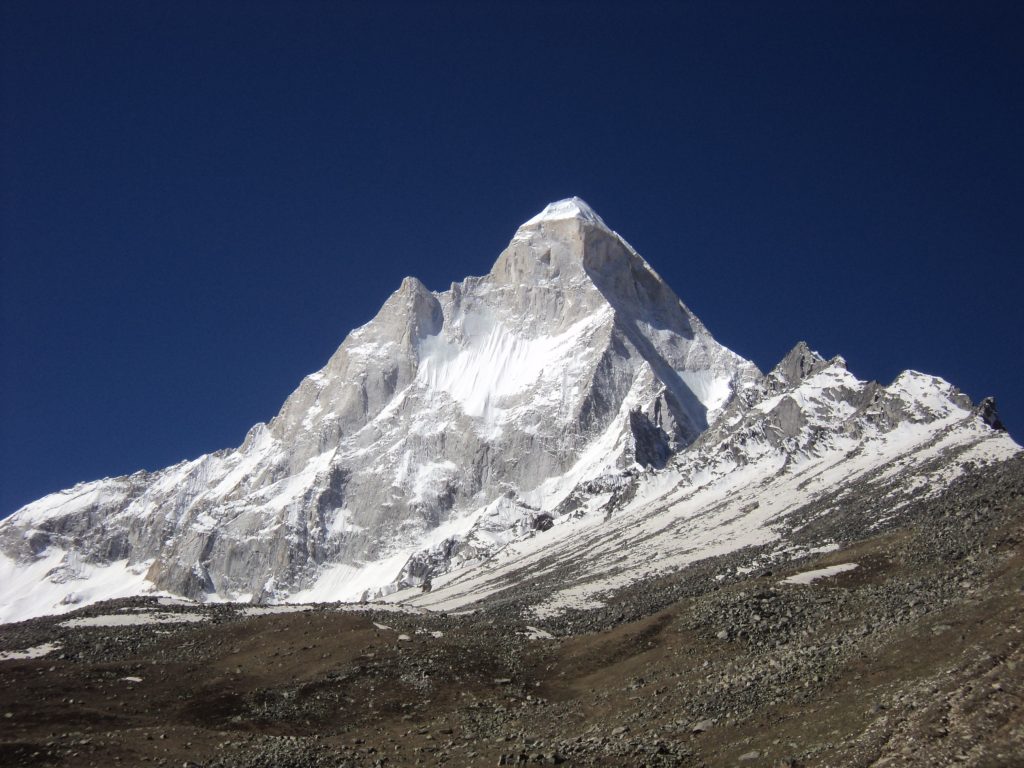
Panoramic vista of the Tian Shan mountains in Kyrgyzstan, showcasing rugged peaks and alpine meadows.

Kyrgyzstan: A Comprehensive Guide for Budget-Conscious Indian Travelers

Kyrgyzstan: A Comprehensive Guide for Budget-Conscious Indian Travelers Have you ever dreamed of a place where majestic mountains, ancient history, and vibrant culture blend seamlessly with affordability and adventure? Welcome to Kyrgyzstan—a hidden gem in Central Asia that offers Indian travelers an experience like no other. Whether you’re a student, a backpacker, or simply someone who loves discovering offbeat destinations, this guide will take you through every aspect of planning your trip—from visa tips and transport to the best time to visit and must-see attractions. In this comprehensive guide, we will explore why Kyrgyzstan has become a hotspot for budget travelers. We’ll answer key questions such as the details of kyrgyzstan visa for indians, reveal the secrets behind its incredible landscapes, and provide practical tips for an unforgettable journey. So, grab a cup of chai and let’s embark on this adventure together! Introduction: The Allure of Kyrgyzstan Kyrgyzstan, officially the Kyrgyz Republic, is a landlocked country in the heart of Central Asia. Often called the “Switzerland of Central Asia” due to its dramatic mountain ranges, over 80% of its terrain is covered by the majestic Tian Shan and Pamir ranges. For budget-conscious Indian travelers, Kyrgyzstan offers a unique combination of rugged natural beauty, rich cultural heritage, and unbeatable value. What sets Kyrgyzstan apart is not just its scenic vistas or its historical significance along the ancient Silk Road—it’s also the genuine warmth of its people and the ease of travel. With affordable accommodation, inexpensive local cuisine, and friendly transport options, this destination allows you to immerse yourself in local life without burning a hole in your pocket. And yes, we’ll also cover important details like kyrgyzstan visa for indians to make your travel planning even smoother. Where is Kyrgyzstan Located? Unveiling the Heart of Central Asia Geography and Regional Context So, where is Kyrgyzstan located? Nestled between Kazakhstan to the north, Uzbekistan to the west, Tajikistan to the south, and China to the east, Kyrgyzstan lies at the crossroads of various cultures and historical trade routes. This strategic location has shaped its diverse heritage and traditions, making it a fascinating melting pot of Turkic, Mongol, and Russian influences. For those planning your journey, a detailed Kyrgyzstan map is essential. It not only helps you visualize the country’s diverse geography—from expansive steppes to rugged highlands—but also guides you through the main travel hubs and cultural centers like Bishkek, the capital city. Why Its Location Matters Kyrgyzstan’s location is a major draw for Indian travelers. The country’s position along the ancient Silk Road means that its history is filled with tales of caravans, trade, and cultural exchange. For Indian tourists, this connection can feel familiar—reminding you of the historical ties that have long linked India with Central Asia. This cultural affinity, combined with modern travel conveniences, makes Kyrgyzstan an appealing destination for those seeking both adventure and comfort. Navigating the Visa Process: Your Guide to Kyrgyzstan Visa for Indians One of the most frequently asked questions by Indian travelers is about the visa process. Let’s demystify it: Visa Options for Indian Citizens For the most up-to-date and detailed information, you can visit the official Kyrgyz visa portal. This streamlined process makes obtaining a kyrgyzstan visa for indians simpler than ever. The Best Time to Visit Kyrgyzstan: When to Experience the Magic Timing is everything when planning your trip. So, what’s the best time to visit Kyrgyzstan? Seasonal Breakdown For more detailed insights into seasonal weather patterns, check out resources like Lonely Planet’s guide to Kyrgyzstan and Steppes Travel. Budget Breakdown: Maximizing Your Money in Kyrgyzstan Traveling on a budget doesn’t mean sacrificing experiences. In Kyrgyzstan, you can enjoy a rich travel experience without breaking the bank. Let’s break down the costs: Flights International flight prices vary depending on the season and booking time. Here are some rough estimates for round-trip fares from major Indian cities: Airlines like Air Astana, Air Arabia, and Turkish Airlines offer competitive fares, often with layovers in Dubai, Istanbul, or Almaty. For the latest deals, visit sites like Kayak. Visa and Entry Accommodation Kyrgyzstan offers a range of lodging options suited for every budget: Websites like Booking.com and Hostelworld are great for finding affordable accommodation. Food Local food in Kyrgyzstan is both delicious and wallet-friendly: Transportation Getting around in Kyrgyzstan is economical: Activities and Entrance Fees Many of Kyrgyzstan’s attractions are very affordable: For an overall picture of daily expenses, refer to the table below, which outlines a sample 7-day itinerary’s costs: Day Location Estimated Cost (INR) Estimated Cost (USD) 1 Bishkek 1,700 – 2,200 20 – 26 2 Bishkek 1,600 – 2,000 19 – 24 3 Ala Archa National Park 1,800 – 2,300 22 – 28 4 Issyk-Kul (Cholpon-Ata) 2,000 – 2,600 24 – 31 5 Issyk-Kul 1,800 – 2,400 22 – 29 6 Bokonbaevo 2,300 – 2,800 28 – 34 7 Bishkek (Departure) 1,000 – 1,500 12 – 18 Total   12,200 – 15,800 146 – 190 Note: These estimates exclude international flight costs and visa fees. Daily expenses typically average between ₹1,745 and ₹2,260 (roughly $21 – $27). Planning Your Itinerary: A Detailed 7-Day Travel Plan To help you maximize your experience while keeping costs low, here’s a comprehensive 7-day itinerary specifically designed for budget-conscious Indian travelers. Day 1: Arrival in Bishkek Day 2: Exploring Bishkek and Cultural Immersion Day 3: A Day Trip to Ala Archa National Park Day 4: Journey to Issyk-Kul (Cholpon-Ata) Day 5: Exploring Issyk-Kul and Cultural Sites Day 6: Immersion in Bokonbaevo and Local Traditions Day 7: Return to Bishkek and Departure This detailed itinerary is designed to give you a taste of everything Kyrgyzstan has to offer, while keeping expenses in check. It also leaves some room for spontaneity—because sometimes the best adventures happen when you deviate from the plan. Key Comparisons and Insights: Kyrgyzstan Versus Other Destinations To truly appreciate what Kyrgyzstan brings to the table, let’s compare it with some other popular travel destinations: Feature Kyrgyzstan Southeast Asia (e.g., Thailand) Europe (e.g., Italy) Affordability Extremely budget-friendly;

Kyrgyzstan: A Comprehensive Guide for Budget-Conscious Indian Travelers Read More »

Sandy shores of Kuta Beach in Bali, bustling with surfers. Enjoy beach activities during your Bali vacation.

Your Essential Bali Travel Guide: Best Time to Visit, Flights from the USA, and First-Timer Tips

Looking for the ideal time for your Balinese escape? Generally, the dry season, from April to October, is considered best for sunny weather. For fewer crowds and pleasant conditions, you might consider the shoulder months of May, June, and September. Want to explore during the wet season for potentially lower prices and a quieter atmosphere? The months from November to March could be an option, just be prepared for more rain. Keep reading for a more detailed monthly breakdown and insights to help you pinpoint your perfect travel window! Bali Travel Guide for First-Timers: Best Time to Travel, Flights from the USA I. Introduction: Discovering the “Island of the Gods” Bali, often referred to as the “Island of the Gods,” is a captivating destination that conjures images of tranquil beaches, verdant rice paddies, and a vibrant culture. For travelers making their first journey from the USA, the enchantment of this Indonesian paradise is particularly strong. This guide is specifically designed to provide first-time visitors from the United States with all the essential knowledge required to plan an unforgettable Balinese adventure, addressing common queries about the best time to travel to Bali, understanding flights to Bali, and offering a comprehensive Bali travel guide for first timers. It is important to remember that Bali is a province and an island that forms part of the Republic of Indonesia, a large archipelago in Southeast Asia. Prepare to uncover the magic that awaits on this enchanting island as we delve into every crucial aspect to ensure a smooth and enriching travel experience. Bali Travel Guide: Quick Clarity Table for First-Time Visitors Category Key Information at a Glance Reader Action/Takeaway Best Time to Visit Dry Season (Apr-Oct): Sunny, best for beaches, surfing (West coast). Shoulder (May-Jun, Sep-Oct): Pleasant, fewer crowds, good deals. Wet (Nov-Mar): Rain, lush, quieter, budget-friendly. Decide based on your priorities: Weather preference vs. budget vs. crowd levels. Check monthly breakdown for specifics. Flights from USA No Direct Flights. Expect layovers in Asian hubs (Singapore, Hong Kong, Dubai, etc.). Flight time: 20+ hours. Airlines: Singapore, Emirates, Qatar, Cathay Pacific, etc. Prepare for a long journey. Factor in layover time. Use flight comparison sites. Book in advance for better deals. Visa & Entry (US) Visa on Arrival (VOA) for tourism (30 days, extendable). Passport: 6 months validity, blank pages. Return/onward ticket needed. VOA fee approx. $35 USD. Ensure passport validity and blank pages. Budget for VOA fee. Check latest visa rules before travel. Money Matters Currency: Indonesian Rupiah (IDR). Exchange USD to IDR in Bali (authorized changers/ATMs). Cards widely accepted in tourist areas, but carry cash. Exchange currency in Bali for better rates. Have cash for smaller places and tips. Inform your bank of travel dates. Bali Basics Bali is a province of Indonesia, not a country. “Island of the Gods,” Hindu culture. Capital: Denpasar. Cultural heart: Ubud. Understand Bali’s context within Indonesia. Be aware of the unique Hindu culture and local customs. Essential Customs Dress modestly at temples (cover shoulders/knees). “Om Swastiastu” greeting. Right hand for giving/receiving. Respect offerings (Canang Sari). Be mindful of public behavior. Show respect for Balinese culture. Learn basic phrases. Be aware of temple etiquette and general customs. Getting Around Taxis (Bluebird recommended, use meter). Ride-hailing apps (Grab/Gojek) popular, but some area restrictions. Traffic can be congested. Use metered taxis or ride-hailing for transport. Be patient with traffic, especially in tourist areas. Accommodation Wide range: Hostels to luxury villas. Popular areas: Kuta (budget), Seminyak/Nusa Dua (upscale), Ubud (wellness/nature). Book in advance, especially in peak season. Choose accommodation based on budget and preference. Book ahead to secure best options and prices. Top Things to See/Do Temples: Tanah Lot, Uluwatu, Tirta Empul, Besakih. Nature: Rice terraces, waterfalls, Mount Batur. Beaches: Kuta, Seminyak, Canggu, Nusa Dua, Uluwatu. Culture: Ubud, art villages, Kecak dance. Prioritize attractions based on your interests. Plan your itinerary to cover key highlights. Health & Safety Vaccinations recommended (Hepatitis A, Typhoid). Travel insurance essential. Drink bottled/filtered water. Be cautious with food. Petty crime in tourist areas. Respect animal safety. Licensed money changers only. Consult doctor for vaccinations. Get travel insurance. Be mindful of food/water safety and general safety precautions. Packing Essentials Light, tropical clothing. Sunscreen, insect repellent, medications. Rain jacket (wet season). Pack light and for the tropical climate. Don’t forget essentials for sun protection and health. Timing Your Trip: Finding the Best Time to Visit Bali Understanding Bali’s tropical climate and tourist seasons is key to planning your visit.A. Understanding Bali’s Tropical Climate and Seasons The Dry Season, generally spanning from April to October, is often considered the ideal time for outdoor pursuits. This period is typically characterised by sunny and breezy conditions with less rainfall and lower humidity, making it perfect for beach activities and water sports. The Wet Season, which typically runs from November to March, brings occasional heavy rains and higher humidity. While rainstorms can be sudden and intense, they often pass quickly, allowing for a mix of sun and showers. The landscapes during this time are often lush and vibrant.B. Navigating Bali’s Tourist Seasons The High Season in Bali generally falls between June to August and November to December. These periods typically see larger crowds and higher prices for both flights and accommodations. This aligns with summer vacations in Europe, America, and Australia, as well as the Christmas and New Year holidays. The Shoulder Seasons, which include April to May and September to October, are often considered by many as the best time to travel. During these months, you can expect pleasant weather with fewer tourists, potentially leading to better deals on accommodations. The Low Season, from January to March, typically experiences the highest chance of rainfall. This period offers the quietest atmosphere and often the most budget-friendly prices. C. Weather Conditions and Activities by Season Dry Season (April-October): This season is ideal for beaches and sunbathing. It is also a great time for surfing, with the west coast experiencing the best swells from June to August. Hiking and exploring the inland areas are also favorable due to the sunny days and reduced humidity. Conditions are generally good for diving and snorkelling as well. Wet Season (November-March): While rain can affect water clarity for diving and snorkelling and may make some hiking trails

Your Essential Bali Travel Guide: Best Time to Visit, Flights from the USA, and First-Timer Tips Read More »

Mirror-like reflection of Mount Fuji in Lake Kawaguchiko, Yamanashi, Japan. A classic and serene view of Japan's iconic mountain.

Planning Your Perfect Japan Trip: Essential Tips and Insights for First-Time Visitors

  Travelling to Japan soon? Here are a few essential things to know before you go! Keep reading for more in-depth travel tips, including the best and worst times to visit, navigating transport, cultural etiquette, and much more to ensure a smooth and enjoyable trip to Japan! Japan, a captivating archipelago nation, presents a mesmerizing blend of ancient traditions and cutting-edge modernity. From the tranquil serenity of Kyoto’s temples to the vibrant energy of Tokyo’s bustling streets, the country offers a diverse array of experiences. This article serves as an essential resource, providing crucial information and tips for planning a smooth and enjoyable Japan trip, particularly for those visiting for the first time. Many first-timers opt for the popular tourist route, known as the golden route, which typically runs from Tokyo to Kyoto and then on to Osaka. Quick Guide to Essential Japan Trip Tips Topic Key Takeaway/Clarity Point Why it Matters/Further Detail Cash & Cards Carry cash & get a SUICA card. Cash is still vital, especially in smaller places. SUICA card simplifies local transport and convenience store purchases. Best Time to Visit Spring (cherry blossom) & Autumn (fall) are ideal, but busy. Enjoy beautiful scenery and comfortable weather. Be prepared for crowds. Avoid late June-early Sept (hot, humid, typhoon season). Golden Route Tokyo-Kyoto-Osaka is a great first-timer route. Covers major highlights and offers a good introduction to Japan’s blend of modern and traditional. Transportation Shinkansen (bullet train) is efficient for long distances. Book Shinkansen in advance, especially for luggage space and peak times. SUICA card is essential for local travel. JR Pass Likely not cost-effective for standard Golden Route. Price has increased. Only consider if you plan extensive train travel across Japan beyond the typical tourist routes. Budgeting Japan can be expensive; budget  100−100− 200 USD daily. Costs vary by city (Tokyo & Kyoto pricier). Food can be affordable if eating at convenience stores & local eateries. Transport (Shinkansen) impacts budget. Accommodation Variety of options: Hotels, Ryokans, Hostels. Consider Ryokans for cultural experience. Shibuya in Tokyo is central. Hotel rooms can be smaller than you’re used to. Food & Drink Konbini (convenience stores) are amazing & affordable. Great for quick, quality meals and snacks. Explore vending machines and local eateries for unique experiences. Try regional specialties & Ekiben on trains. Etiquette Be quiet in public, don’t eat while walking, no tipping. Show respect for Japanese culture. Quietness is valued. Tipping is not customary and can be considered rude. Booking Ahead Book popular activities & transport in advance. Essential during peak seasons. Use platforms like Klook for easy booking in your currency. Overtourism (Kyoto) Kyoto can be very crowded. Visit major temples early (5-6 am) or explore lesser-known areas for a more peaceful experience. Internet Access Get an eSIM for your phone. Essential for navigation, translation, and staying connected. Luggage on Shinkansen Book oversized luggage seats if needed. Ensure luggage is properly stored on Shinkansen. Platforms like Klook help with booking these seats. Safety Japan is very safe. Be mindful of surroundings and take basic safety precautions as you would anywhere. Visa Visa requirements vary by nationality. Check visa requirements based on your passport well in advance of your trip. E-visa options may be available for some nationalities. 1. When to Visit Japan: Navigating the Seasons Choosing the right time to visit can significantly impact your Japan trip. 2. Must-See Destinations: Exploring Japan’s Highlights Japan boasts a wealth of incredible destinations, but for many first-time visitors, the golden route is a natural starting point. 3. Getting Around Japan: Mastering the Transportation System Japan boasts an incredibly efficient and comprehensive transportation network. 4. Money Matters: Currency, Budgeting, and Payments Understanding Japan’s currency and budgeting is crucial for a smooth trip. 5. Accommodation in Japan: Finding Your Home Away From Home Japan offers a diverse range of accommodation options to suit various budgets and preferences. 6. Food and Drink: A Culinary Adventure Japanese cuisine is a major highlight of any trip. 7. Essential Things to Know Before You Go: Practical Tips Here are some crucial tips to keep in mind before and during your Japan trip. 8. Japanese Culture and Etiquette: Showing Respect Understanding and practicing basic Japanese etiquette will greatly enhance your travel experience and ensure you show respect to the local people. 9. Booking in Advance: Planning Ahead is Key Given Japan’s popularity, especially during peak seasons, booking activities and transportation well in advance is crucial. 10. Navigating Overtourism: Especially in Kyoto Overtourism can be a significant issue in popular destinations like Kyoto, especially during peak seasons like autumn. 11. Visa Information Visa requirements for Japan vary depending on your nationality. Conclusion A Japan trip promises a truly unique and unforgettable experience, blending the wonders of ancient culture with the excitement of modern life. By understanding the best times to visit, navigating the efficient transportation system, being mindful of your budget and Japanese etiquette, and remembering to book key aspects of your trip in advance, you can ensure a smooth and stress-free adventure in the Land of the Rising Sun. Use the tips and resources provided to craft your perfect Japan trip and create memories that will last a lifetime. FAQ’s  www.xploreheaven.com

Planning Your Perfect Japan Trip: Essential Tips and Insights for First-Time Visitors Read More »

Madagascar Travel: Discover the Eighth Continent

Looking for an unforgettable adventure? Madagascar, the “Eighth Continent”, boasts extraordinary wildlife found nowhere else on Earth and stunning landscapes from rainforests to beaches. To truly plan your Malagasy journey and discover everything from the best time to visit and transportation options to cultural insights and must-see locations, keep reading for in-depth information drawn from a variety of travel guides and resources. Madagascar, often lauded as the “Eighth Continent” owing to its extraordinary biodiversity, presents travellers with an unparalleled adventure that seamlessly blends pristine beaches, unique wildlife encounters, lush rainforests, and a rich tapestry of cultural heritage. Nestled off the south-eastern coast of Africa in the vast expanse of the Indian Ocean, this remarkable island nation holds the distinguished title of the world’s fourth-largest island, serving as a sanctuary for thousands of plant and animal species that exist nowhere else on Earth. With approximately 3,100 miles of captivating coastline, a remarkable diversity of landscapes, and a fascinating fusion of African, Arab, and French influences, Madagascar stands as a destination truly unlike any other, beckoning intrepid travellers to explore its wonders. This comprehensive travel guide aims to equip you with essential information for planning an unforgettable journey through this captivating country, from navigating transportation options and discovering must-visit destinations to immersing yourself in its vibrant culture and savouring its culinary delights. Why Visit Madagascar? Key Highlights: Madagascar’s singular geographic position, forged through millions of years of isolation, has nurtured the evolution of extraordinary ecosystems and a wealth of wildlife, establishing it as a premier destination for nature enthusiasts and adventure seekers. Planning Your Madagascar Adventure: Careful planning is paramount to ensure a smooth and rewarding travel experience in Madagascar. Exploring Madagascar’s Natural Wonders: Madagascar’s long isolation has fostered unique ecosystems, protected within its numerous national parks and reserves. Coastal Delights and Marine Activities: Madagascar’s extensive coastline offers a paradise for beach enthusiasts and water sports aficionados. Immersing Yourself in Malagasy Culture and Heritage: Madagascar’s cultural landscape is a rich tapestry woven from diverse influences. A Taste of Madagascar: Culinary Exploration: Malagasy cuisine is a delightful reflection of the island’s history and cultural crossroads. Malagasy cuisine Madagascar’s food is a tasty mix. You’ll find African, Asian, and European flavors. Romazava is a meat stew with greens. Ravitoto is stewed pork with manioc leaves. Rice is served with almost every meal. It’s a unique food experience. Malagasy food relies on rice, a main food served with most meals. Zebu, or humped cattle, is a key meat source. It shows up in stews and grilled dishes. Fish is easy to find near the coast. Many recipes use it. Common vegetables include spinach and local greens. Spices such as ginger, garlic, and chili add flavor. Romazava, the national dish, mixes zebu, greens, and tomatoes. People eat it with rice. Ravitoto is pork stewed with manioc leaves, a local favorite. Don’t miss eel with pork or pork with butter beans. Kitoza, dried and smoked meat or fish, is also worth a try. Practical Tips for Your Madagascar Trip: Preparation is key for a smooth and enjoyable journey through Madagascar. Travelling Responsibly in Madagascar: Given Madagascar’s exceptional biodiversity and environmental challenges, responsible tourism practices are crucial. Conclusion: Madagascar stands as a truly unique travel destination, where extraordinary biodiversity, distinctive landscapes, rich cultural traditions, and the warm hospitality of its people combine to create unforgettable experiences far from typical tourist routes. The island’s remarkable evolutionary history has gifted the world with plant and animal species found nowhere else, from the iconic lemurs to the ancient baobab trees. Beyond its natural wonders, Madagascar enchants visitors with its immersive cultural experiences, evident in its vibrant festivals, traditional villages, and culinary heritage. While travel within Madagascar may present certain challenges, these become part of the adventure, attracting those seeking authentic and off-the-beaten-path experiences. For travellers embracing flexibility, patience, and cultural openness, Madagascar offers remarkable rewards: pristine beaches, unparalleled wildlife encounters, genuine cultural exchanges, and breathtaking natural landscapes of immense ecological significance. As you explore this “true eighth continent“, remember the importance of responsible tourism, contributing to the preservation of its natural and cultural treasures for generations to come. Whether tracking lemurs through misty rainforests, snorkelling in crystal-clear waters, wandering through historic towns, or sharing meals with local families, a journey through Madagascar will undoubtedly leave you with lasting memories of a place unlike anywhere else – a land waiting to be explored with respect, wonder, and deep appreciation for its remarkable riches. Here is a comprehensive list of frequently asked questions and answers to help with your search intent about travelling to Madagascar: Frequently Asked Questions About Visiting Madagascar What are some of the environmental concerns in Madagascar, and how can I travel sustainably? Madagascar faces significant environmental challenges including deforestation, habitat loss, and climate change impacts. To travel sustainably, support conservation efforts through park entrance fees. Choose tour operators and accommodations committed to environmental sustainability and community involvement. Bring reusable water bottles and minimize single-use plastics. Respect traditional customs and purchase souvenirs directly from artisans. By understanding these frequently asked questions, you can begin to plan your adventure to Madagascar. For more in-depth information on any of these topics, please continue reading our travel blogs and updates. More Travel Blogs & Updates Travel literature genre of travel literature or travelogue encompasses outdoor literature, guide books, nature writing, and travel memoirs. One early travel memoirist

Madagascar Travel: Discover the Eighth Continent Read More »

Andaman & Nicobar: Paradise Unveiled – Your Ultimate Travel Guide to India’s Island Jewel

Intriguing Introduction – Discover a Tropical Wonderland Imagine a place where azure waters caress powdery white sands, where lush rainforests hum with life, and history whispers from every ancient ruin. Welcome to the Andaman & Nicobar Islands—a tropical paradise that has long captivated the hearts of adventurers and dreamers alike. Far from the busy mainland, this enchanting archipelago in the Bay of Bengal offers an unparalleled blend of relaxation, adventure, and cultural immersion. For years, these islands have been celebrated as one of India’s best-kept secrets, a hidden jewel waiting to be discovered. With over 572 islands, only 37 of which are inhabited, the Andamans promise a serene escape from the chaos of modern life. Here, every sunset feels like a painting, every dive reveals a vibrant underwater world, and every encounter with local traditions leaves you with a story to tell. This ultimate travel guide is designed for the independent traveler, the nature enthusiast, and the cultural explorer. Whether you’re planning to unwind on secluded beaches, dive into crystal-clear waters to explore coral reefs, or delve into the rich history that dates back to colonial times, our comprehensive guide will equip you with everything you need to plan an unforgettable journey. Get ready to explore a realm where pristine nature meets ancient mystery—where paradise is not just a dream, but a destination waiting for you. Unveiling the Andaman & Nicobar Islands: A Glimpse of Paradise Situated in the heart of the Bay of Bengal, the Andaman & Nicobar Islands are a captivating mosaic of natural beauty and cultural diversity. Although they are part of India, these islands offer a unique tropical environment that feels worlds away from the subcontinent. Located over 1,200 kilometers from mainland India, the Andamans form an archipelago comprising 572 islands, of which only 37 are inhabited, ensuring a largely unspoiled environment where nature still rules. Geography and Natural Wonders The islands are blessed with a geography that seems almost surreal—endless stretches of palm-fringed beaches, crystal-clear turquoise waters, and dense tropical rainforests. The Andaman group, with its dramatic cliffs and hidden coves, contrasts beautifully with the more laid-back Nicobar group, where indigenous cultures and lush landscapes blend seamlessly. The islands are also renowned for their vibrant coral reefs and diverse marine ecosystems, making them a mecca for scuba divers and snorkelers. A Rich Tapestry of Culture and History Port Blair, the capital of the Andaman & Nicobar Islands, stands as a testament to the region’s intriguing history. Once a penal colony under British rule, its Cellular Jail now serves as a national monument, offering a sobering glimpse into the past. Beyond the colonial relics, the islands are home to a fascinating mix of cultures—from the descendants of early settlers to the indigenous tribes of the Nicobars—each contributing to a rich cultural tapestry that is both diverse and captivating. Biodiversity and Conservation The Andamans are celebrated not only for their beauty but also for their biodiversity. These islands are home to endangered species such as the Green Turtle, Hawksbill Turtle, and Leatherback Turtle. Their waters also nurture the gentle Dugong, often referred to as the “angel of the sea.” Strict conservation measures, including a ban on commercial fishing in certain areas, have helped preserve these fragile ecosystems, making the islands a living laboratory of marine life. The Andaman & Nicobar Islands are a destination that marries the best of natural splendor, historical depth, and cultural richness—a true paradise lost in time and waiting to be explored by those who seek a genuine escape. Planning Your Heavenly Escape: A Practical Guide Embarking on a journey to the Andaman & Nicobar Islands requires thoughtful planning to fully appreciate their diverse offerings. Below is a comprehensive guide that covers everything from the best time to visit and transportation options to accommodation and permits. Best Time to Visit Andaman & Nicobar Understanding the climate is essential to make the most of your trip. The islands enjoy a tropical climate, which can be broadly divided into two seasons: Best Time to Visit for Different Activities Activity Best Time to Visit Reason Scuba Diving & Snorkeling November to April Clear visibility, calm seas Beach Relaxation November to March Sunny skies and pleasant weather Trekking & Nature Walks December to April Cooler temperatures, less humidity Water Sports December to April Ideal conditions for jet skiing, parasailing, etc. Cultural Tours November to April Comfortable climate for exploring historical sites How to Reach the Andaman & Nicobar Islands By Air:The primary gateway to the islands is Port Blair, served by direct flights from major Indian cities such as Delhi, Kolkata, Chennai, and Mumbai. Abu Dhabi International Airport and other international hubs also offer connecting flights. Airlines like Air India, IndiGo, and Vistara operate regular services to Port Blair. By Ferry:Once in Port Blair, inter-island travel is predominantly by ferry. Catamarans and government-run ferries connect Port Blair to popular islands such as Havelock (Swaraj Dweep) and Neil (Shaheed Dweep). It’s advisable to book your ferry tickets in advance through reliable platforms such as Ferryhopper or Direct Ferries. Accommodation Options The Andaman & Nicobar Islands offer a wide range of lodging choices to suit every budget: Permits and Regulations Additional Practical Tips By planning your trip carefully and understanding the logistical aspects, you can ensure a smooth, enjoyable journey to this enchanting paradise. Andaman Tour Package: Curating Your Dream Itinerary For travelers looking to maximize their experience in the Andaman & Nicobar Islands, booking a comprehensive tour package can simplify planning and offer better value. Here’s a look at how you might curate your dream itinerary based on duration and interests: Sample Itinerary Options 5-Day Beach Bliss Itinerary: 7-Day Adventure Escape Itinerary: 10-Day Cultural & Adventure Journey: Why Choose a Tour Package? Booking an Andaman tour package can be a stress-free way to experience the islands. These packages often include: For those seeking a hassle-free, immersive experience, an Andaman tour package is an excellent option to consider. Many travel agencies and online platforms offer customizable packages that

Andaman & Nicobar: Paradise Unveiled – Your Ultimate Travel Guide to India’s Island Jewel Read More »